The son of Margaret Parish Berry stood on the marble steps of the Alabama State Capitol and begged the governor to spare the life of the man who murdered his mother. Will Berry’s voice did not waver as he described a forgiveness so profound that it defied the very logic of the criminal justice system. He asked for a relationship with Jeffrey Todd West, the convicted killer, and pleaded with state officials to commute a death sentence that had been pending for nearly three decades.
The state of Alabama listened to his words, acknowledged his pain, and then proceeded with the execution anyway.
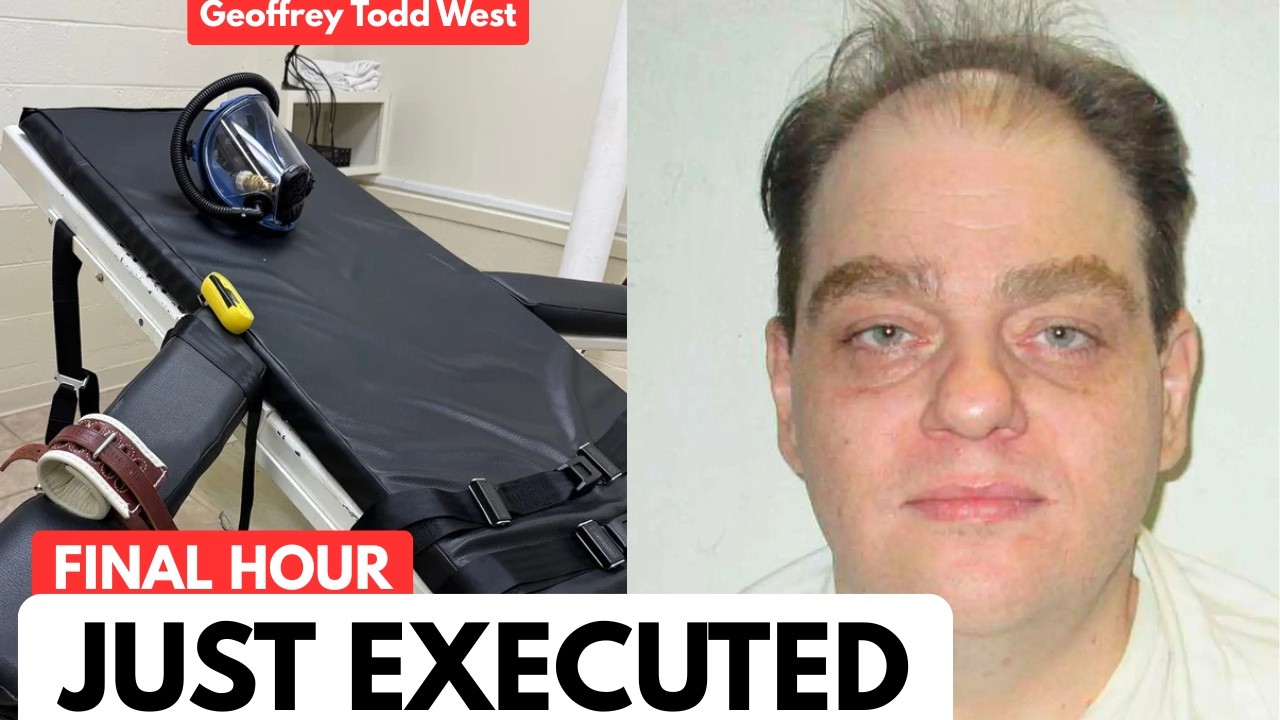
On September 25th, 2025, at the William C. Holman Correctional Facility in Atmore, Alabama, Jeffrey Todd West was strapped to a gurney as a nitrogen gas mask was fitted over his face. The warden asked the condemned man if he had any final words before the lethal procedure began.
West, who had spent the last 26 years on death row, looked up and simply shook his head, declining to speak. He offered a thumbs up to his attorney in the witness room, a gesture that seemed to signal a strange peace with the fate that awaited him. At 5:53 p.m. , the warrant was read, and the flow of nitrogen gas began, marking the end of a long and contentious legal saga.
To understand how the state reached this moment, one must travel back to the night of March 27th, 1997, in Etowah County, Alabama. Margaret Parish Berry, a 33-year-old mother of two young sons, was working her regular shift behind the counter at Harold’s Chevron gas station on the Cahaba Parkway. She had clocked in for an honest job, expecting nothing more than a routine night of customers and transactions.
But two people were already driving toward that station with violent intentions, and one of them had openly told others days earlier that he planned to leave no witnesses. Jeffrey Todd West, then just 21 years old, was broke and desperate for cash alongside his girlfriend, Amy Pierce.
West knew the gas station intimately, having worked there previously, and he understood exactly where the money was kept. He walked into the store armed with a . 45 caliber handgun and pointed it directly at Margaret Berry, who complied with his demands without resistance.
West took $250 from a cookie can that served as the store’s cash register, a paltry sum for a life. Then, with Margaret already face down on the floor behind the counter, West shot her in the back of the head, execution style, and fled the scene with Pierce. The store fell silent, and across town, two young boys waited for a mother who would never return home.
The investigation into the murder moved quickly, as a store employee had spotted West near the Chevron station in the days leading up to the crime. Witnesses came forward, recounting how West had boasted about his plan to 𝓀𝒾𝓁𝓁 the person working that night, words that transformed a robbery into a premeditated capital offense. Amy Pierce was taken into custody and ultimately pleaded guilty, receiving a 35-year prison sentence for her role in the crime.
West, however, faced the full weight of Alabama law, and his trial concluded on June 1st, 1999, with a jury convicting him of capital murder during the course of a robbery.
The jury voted 10 to two in favor of the death penalty, a recommendation that Etowah County Circuit Judge William Cardwell accepted despite noting the difficulty of sentencing such a young man to die. Judge Cardwell described the killing as clearly deliberate and intentional, carried out in an execution style that left no doubt about West’s culpability. West was sentenced to death and began a 26-year journey through the appeals process that would define the rest of his life.
The Alabama Court of Criminal Appeals affirmed the conviction, and subsequent appeals failed, leaving West with no legal recourse as the execution date approached.
During those long years on death row, something unexpected occurred that would transform this case into one of the most extraordinary execution stories in recent memory. Will Berry, who was only 11 years old when his mother was murdered, decided to write a letter to the man who had taken her life. It was not a letter of anger or confrontation, but one of forgiveness, a gesture that stunned even those closest to him.
West wrote back, expressing deep remorse for his actions, and the two men began a correspondence that bridged the vast chasm between victim and perpetrator.
Will Berry, now a father and grandfather, credited his wife Courtney and his faith for helping him navigate the grief that had derailed his life for decades. He asked to meet West in person before the execution, hoping to deliver a message of love and forgiveness face-to-face. But Alabama prison policy barred contact visits between victims and offenders, and the state denied the request.
Instead, officials offered Will Berry the opportunity to watch the execution from the witness room, a prospect he found deeply troubling. He wanted to speak to the man while he was alive, not watch him die.
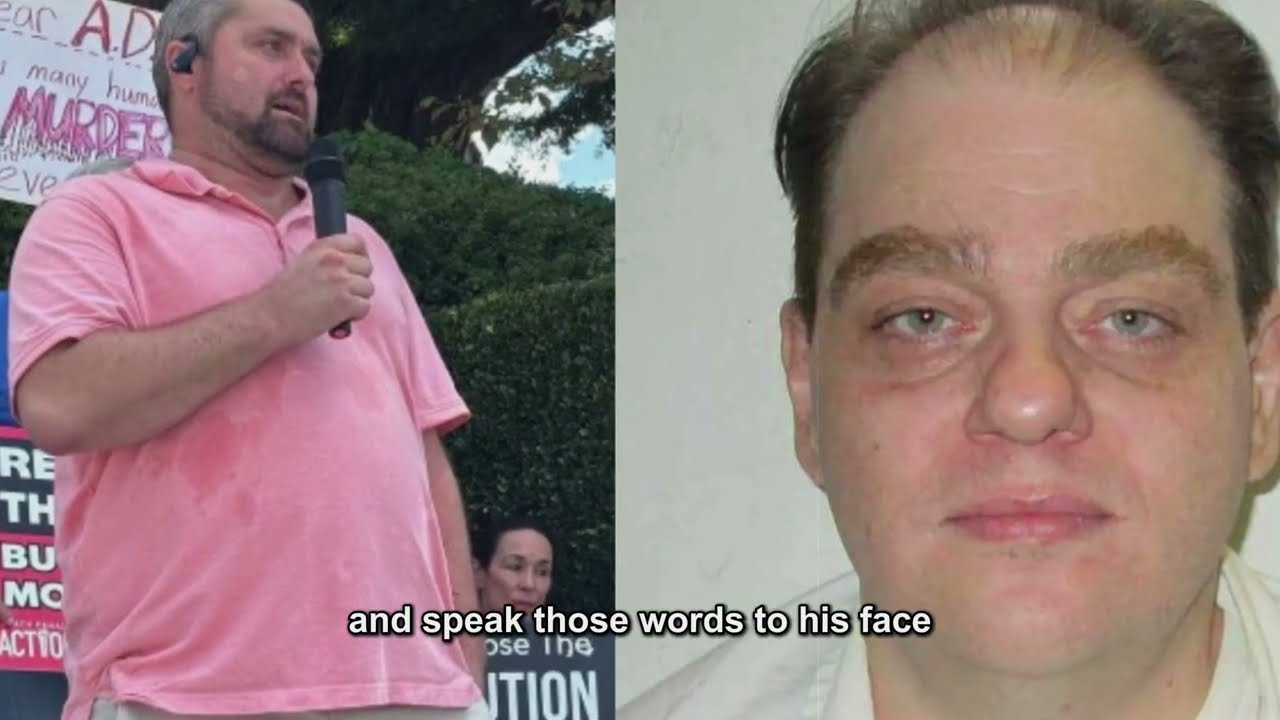
Refusing to stay silent, Will Berry went public with his extraordinary plea for mercy. He wrote op-eds, gave interviews, and joined death penalty opponents at the State Capitol in Montgomery, hand-delivering a petition to Governor Kay Ivey’s office. Standing outside the governor’s door, he told staffers that his family had forgiven West and wanted to move forward without his death.
He argued that taking another life would not heal his family’s wounds, and he expressed a belief that his mother, Margaret, would have wanted forgiveness rather than revenge. He wrote directly to Governor Ivey, stating that the state was playing God by seeking execution.
Governor Ivey responded in writing on September 11th, 2025, acknowledging Will Berry’s beliefs but affirming her duty to carry out Alabama law. The execution would proceed as scheduled, and the governor expressed hope for healing for all involved. As the date drew near, West prepared for his final hours with a quiet dignity that seemed to reflect a genuine transformation.
He had been confirmed in the Catholic Church the day before his execution, completing a conversion he had begun earlier that year, and his spiritual advisor Patrick Madden stood by his side. West refused the standard prison meals, choosing instead to eat Skittles, sausage biscuits, coffee, and V8 Splash drinks throughout the day.
In his final interview with the Associated Press, West did not deny or minimize his crime, expressing regret that consumed him daily. He spoke of replaying that night constantly, wondering if there was a moment where he could have turned around and walked away. He told the interviewer that he wished he could swap places with Margaret Berry, and he urged young people to seek help rather than make the desperate choices he made at 21.
His words were those of a man who had spent decades confronting the magnitude of his actions, seeking forgiveness both privately and publicly. His attorneys described his remorse as sincere, a sentiment that seemed echoed in his final written statement.
At 5:52 p. m. , the curtains opened in the execution chamber, revealing West already strapped to the gurney in a khaki prison uniform.
A white sheet covered his legs, and heavy straps crossed his chest as he looked toward the witness room. At 5:58 p. m.
, witnesses observed his breathing deepen and then stop, with a gasp marking the final moment of life. The nitrogen gas continued to flow for five minutes past the point of flatline, and at 6:22 p. m.
, Jeffrey Todd West was pronounced dead. Commissioner John Hamm reported that it was the least movement seen in any of Alabama’s nitrogen gas executions, with the procedure going as expected.
West’s written statement, released after his death, offered a final apology to the family of Margaret Parish Berry and acknowledged the forgiveness extended by her son Will. He expressed peace with his fate, stating that he looked forward to seeing Mrs. Berry when he arrived in the afterlife.
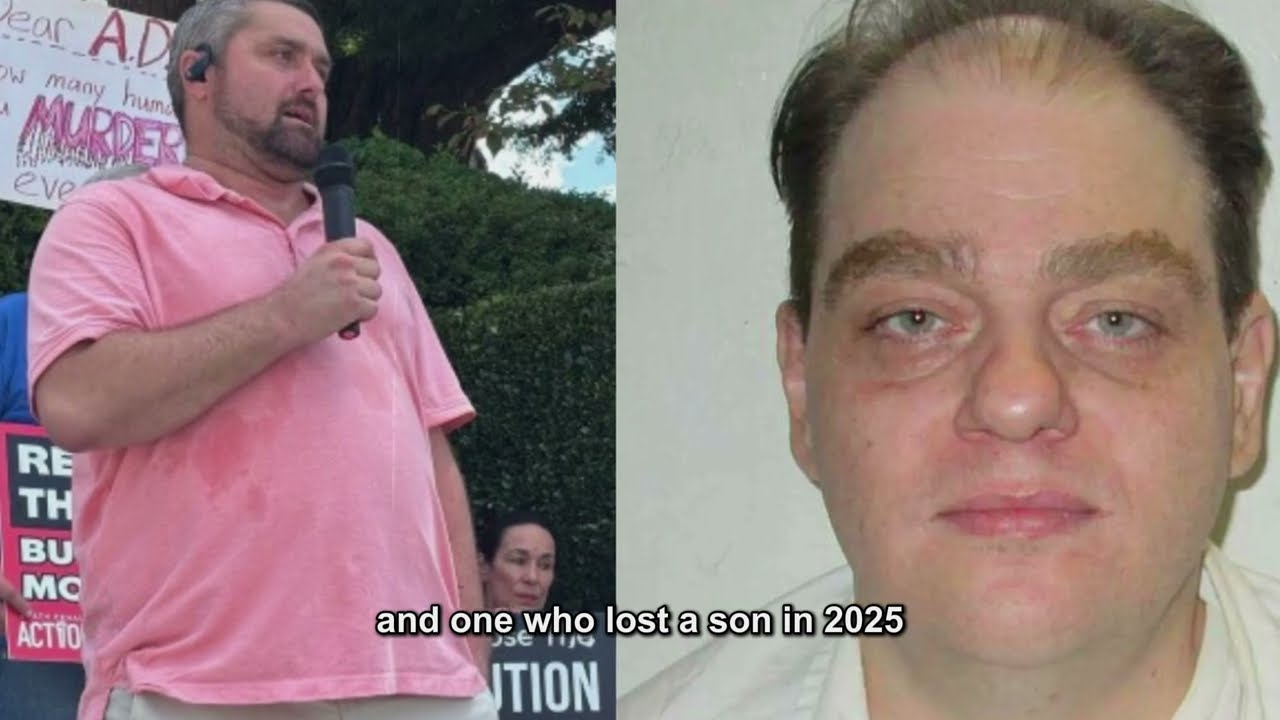
He urged everyone, especially young people, to find God and consider the possibility of a creator and a reason for everything. Will Berry and his wife Courtney released their own statement after the execution, expressing condolences to West’s family and praying that he would gain peace when meeting his maker. There was no anger in their words, only a profound grief for all involved.
Governor Ivey issued a statement declaring that justice had been served and praying for healing, while Attorney General Steve Marshall framed the execution as a demonstration of the state’s commitment to accountability. But the questions raised by this case linger long after the gas stopped flowing. Was justice truly served when the victim’s own son stood outside the governor’s office begging for mercy?
Was Jeffrey Todd West the same man at 50 that he had been at 21, or had decades of incarceration and genuine remorse transformed him into someone deserving of compassion? These are the questions that Will Berry has forced the criminal justice system to confront, not with anger, but with a forgiveness that remains disarming. Margaret Parish Berry was 33 years old when she was shot in the back of the head for $250, and Jeffrey Todd West was 50 when the state ended his life, leaving two families to sit in the silence that follows.