In a dramatic turn of events inside a Plymouth County courtroom, a judge declared a mistrial in the high-profile case of Commonwealth versus Lindsay Clancy on Tuesday, after the jury reported being hopelessly deadlocked in their deliberations. The announcement brings a temporary and uncertain conclusion to a case that has captivated the nation, leaving the legal fate of the defendant hanging in the balance as both the prosecution and defense prepare for the possibility of a second trial. The courtroom atmosphere was tense as the judge convened the session, with the 12 deliberating jurors and six alternates filing in to hear their fate directly from the bench.
The declaration of a mistrial came after an extended period of deliberation, during which the foreperson communicated a significant breakdown in the jury’s ability to reach a unanimous verdict. The judge’s announcement followed a specific procedural explanation about the lifting of a temporary stay from the Supreme Judicial Court, which had previously paused proceedings. The judge noted that a motion for emergency relief was denied, clearing the path for the formal declaration of mistrial.
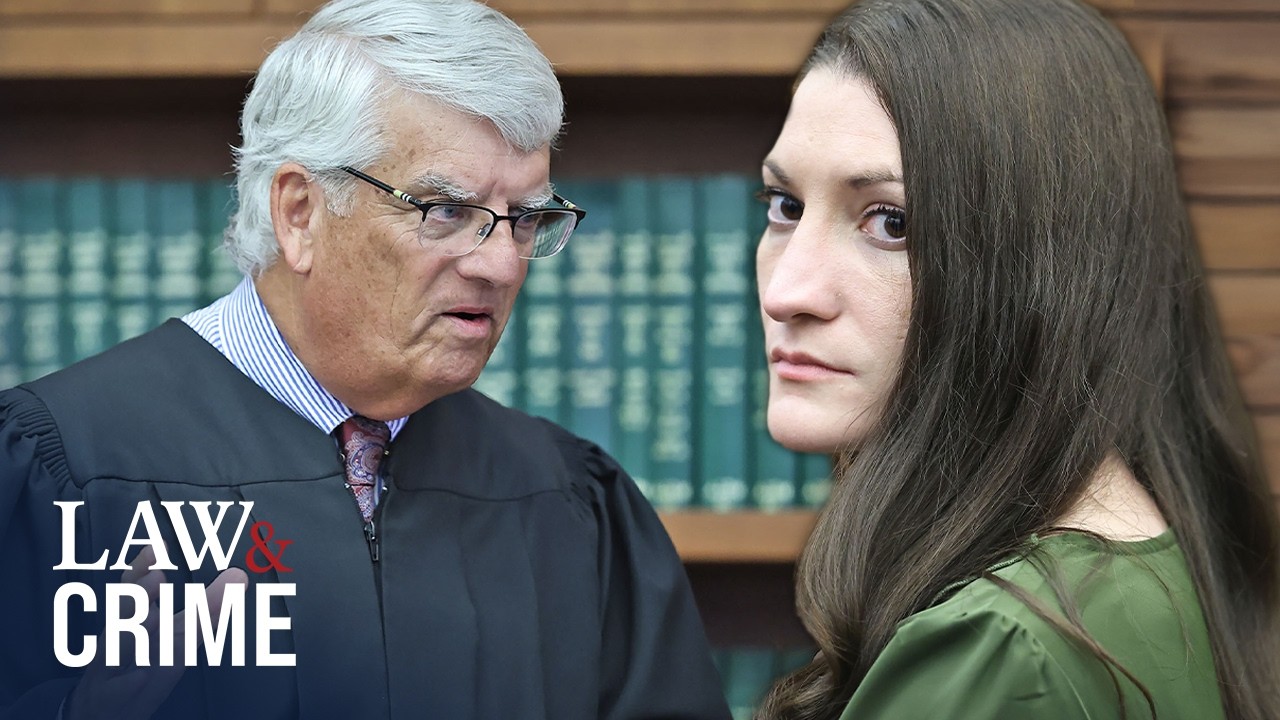 Before the jury was brought back into the courtroom, the defense counsel raised a pointed objection, arguing for a hearing regarding a single juror who reportedly refused to follow the law, citing both federal law and First Circuit precedent under the United States versus Sepulveda case to make their final argument.
Defense attorneys were acknowledged for their zeal in attempting to avoid the mistrial, pushing for a judicial hearing to potentially dismiss the single holdout juror and allow the remaining eleven to render a verdict. The defense argued that under federal rules and the precedent set in the “Sepulveda” case, a juror’s refusal to apply the law as instructed constitutes “good cause” for dismissal, triggering the court’s authority to intervene. They stressed that the holdout juror was not objecting based on the facts or a good faith legal dispute, but rather was “refusing to apply the law as you’ve given it.”
However, after considering the request, the judge denied this motion, arguing that he lacked legal authority to dismiss a juror during deliberation for nullification without compromising the integrity of the trial process, ultimately choosing instead to accept the deadlock and declare a mistrial.
When the jury returned to the courtroom, the judge addressed them, remarking on their service in a deeply personal and gracious tone, drawing a historical parallel to Prime Minister Winston Churchill during World War II. The judge praised the jury for their resilience, stating that they had indeed “braced for their duty,” a phrase that Churchill used to rally the British during the weeks of the Blitz. The judge acknowledged the immense difficulty of the evidence and the length of the trial, expressing gratitude on behalf of the Commonwealth of Massachusetts.
He expressed that it was an incredible commitment and dedication, and that watching them perform their duty day after day had been a “true honor.” The judge also noted the performance of the courtroom staff. He implored the jury members to remain seated for a few moments so he could thank them personally outside of the official record, indicating his deep appreciation for their difficult service, before finally discharging them with a quiet “Good work.”
The jury members, visibly emotional after seeing months of difficult testimony, left the courtroom with a mix of relief and exhaustion written on their faces.
With the jury discharged and the courtroom cleared, the prosecution indicated they were filing a motion to be heard, showing a resolute commitment to seek a retrial and bring the case back before a new jury. The Commonwealth stated its intention to argue for a “25 B2” motion regarding required findings within the next five days, suggesting a strong belief in their evidence and a refusal to concede the case in its entirety. The defense countered by requesting a quicker turnar bridge day, offering a potential date for the federal arguments.
 But the judge intervened, stating he needed to check his schedule but agreed that the case should be tried “sooner rather than later,” perhaps later in the fall, to ensure all witnesses and schedules could align seamlessly. The judge and defense based the alternative date to be set for a status conference on September 29, 2026, to handle the required specific protocols.
The case, which has drawn national media attention due to its tragic nature and complex details, remains unresolved, leaving the family of the victims and the community in a state of limbo as they are soon to anticipate a long and painful legal process. The defendant, Lindsay Clancy, who was being retried for a horrific crime that deeply stirred public passion, remains in custody as bail orders were upheld in full force and effect. The 𝓈𝒽𝓸𝒸𝓀𝒾𝓃𝑔 evidence did not sway all jurors, a fact that has championed profound public reaction.
Many supporters of Clancy’s defense reacted with relief that a conviction was not reached, while those on the opposing side exhibit a mixture of anger and frustration that a verdict could not be obtained.
Throughout the entire proceedings, the defense attempted to frame the legal arguments regarding the deadlocked juror, suggesting the judge failed to address the nuance between a single juror bringing a dissenting viewpoint based on the evidence versus one failing to follow the law itself. The defense’s final plea to the judge was a forceful one, arguing that this was a clear-cut case of juror nullification that put the entire work of the trial into question. They pressed the judge to read from the First Circuit precedent more closely, asserting that the standard demands a hearing, not a rolling over to a mistrial.
But the court maintained its position, appearing more cautious and indicating respect for the sanctity of the jury room, fearing that dismissing a holdout juror solely because of a differing viewpoint creates a dangerous precedent of intimidation and coercion within the deliberative process. The judge pointed to the confidentiality of jury deliberations, stating that hearing testimony could violate that sacrosanctity, and thus the exhaustion of alternatives led them to the conclusion that a mistrial was the only legally sound path forward. The judge’s denial indicates a strict constructionist approach to judicial oversight, prioritizing the purity of the verdict over the potential expedience of a decision.
The frustrating event leaves yet another cycle of constitutional law looming large over the proceedings, with the sides to battle again after the dual filings. The Commonwealth will have the opportunity to oppose the defense’s motions, while preparing for a second trial with a new set of jurors in the new sessions to come. They will have to start from the beginning, reconstructing the narrative in a way that might persuade twelve new people to see the point of view they couldn’t sway previously.
 Attorneys for the defense had spent the months meticulously preparing for that moment, and they face the enormous expense of a retrial, but they remain convinced they have built the strongest case. Regardless of which side commands the stand in the next courtroom, the mandate remains the same, finding a court, a jury, and a voice that can deliver a verdict upon the swallowing facts in this case.
When asked about her client, the defense lawyers hinted that they are more than ready to head back into trial, and the ultimate indignity of seeing a jury so fractured brings with it a placement for a possibly more favorable outcome going forward. But the prosecution—publicly rigid in their silence—has the heavy burden of ensuring the public trust that second trial will yield the legal justice the commonwealth deserves. The families directly impacted by the initial trial, need to salvage some sort of moral weight and closure as the procedural calendar now stretches into the future away from the courtroom for at least a few weeks.
The judge was making it clear they consider emotions raw within the courtroom, as he finally motioned for the bailiff to bring the defendant in to the final notes. The bailiff dutifully complied, the closing moments of the trial visible on the record yet saturated with emotional delivery.
As the courtroom cleared, the whispers of reporters could be heard outside the doors as they sprinted to their microphones to alert the world to the verdict. The misstrial is a 𝓈𝒽𝓸𝒸𝓀𝒾𝓃𝑔 twist to a case that was widely expected to produce a single criminal verdict. The decision restarts a torturous march through the justice system for all parties involved, reopening their trauma and the uncertainty of what will now happen next.
The video of the trial, now ubiquitous on cable channels, shows the strong emotions the judge expressed when he realized that the jury had failed to reach a verdict, which further emphasizes the emotional weight of legal complexity inside. In the aftermath of the jury, one question was that on the lips of the commonwealth’s legal fraternity remain to be answered: will the next verdict, or in fact, ever come? The scales of justice now tip into a period of limbo, and the entire judicial system burns with the weight of the request for justice on the new date of September 29th.
By the time the judge had finished the conclusion of the session, the grim nature of the result had set in on the faces of all those left inside the courthouse walls. The public and the press are looking to the future of the retrial but many legal analysts were quick to critique the judge’s handling of the juror, suggesting that the president of jurisdiction about the “good cause” in Massachusetts is vastly different from the rest of the other nationwide. Clearly, the movement to integrate the federal modes into state courts is strange and confusing, as judges tend to cite conflicts of interest and procedures.
 The judge instead has opted to walk the ledge, ensuring that no side walks the plank. As the courtroom doors shut to the empty room, only a turn of page in time will unlock the hidden effect of the final mistake, but with the sights now set on the fall season and a new trial, a thread of hope remains inside a fragmented narrative of a mercy yet to be.
The stage is set now for successful choreography of a legal to retry the case with the same theater; the duration opening in the new trial can result in a it identical panorama of evidence mining and witness questioning related to, in this case, the most important facts of the killers and the psyche of the dead. Since a placing new jury no double will be drawing countless clicks in the court’s mind, witness hearings of expert panels, and eye-witness emote of the incident will resurface. But as before, this new phase will also be more fragile because of the passing of time: memories fade, and costs continue to mount.
Yet the tenure of the state’s resolve was on camera, neither time nor the impasse will pressure the government to take any deal that extends the mercy as perceived as too wise that is. They are prepared to go the distance again. But the battlefield of the courtroom comes with new share of Teflon and you can get a certainty in the evidence arena, which is what the new trial must resolved.
The attorneys, allowing emotion to wob as the courtroom, state just about the stalemate: “We received a decision to proceed on that we will.” There is no clear greater outcome provided for the victims of this destructive case, tormented by the way happier long. There is a pain that a cloud remains over the entire outcome in the legal justice system, and they are expected to the judge for the final rulings on the matter.
The judge’s careful complying with a proper procedure in declaring the jury deadlocked leaves them with a path to appeal those rulings on their next defensive frontier; they will hold a council on how to proceed over that strategic base when they land in the courtroom at the end of September. The days of heat will draw in new schedules, but the clock ticked up the absence of 12 unknowable souls. Until that effectively, the fate lies in a limbo one can say beyond a shadow of a doubt.
As the last of the cars departed out of the parking lot, the solemnity of the day’s results hung heavily in the air. The tv flashes went dark, one by one, leaving on-shell at the silent Plymouth meeting place to vow and contemplate the complexity that that keeps this epoch open ended. Once a case begins on a consequential set of facts, the flood of emotion is constant, and today’s step remains the punctuation; but in the world of legal precedent, the burden usually shifts, and tomorrow arrives with the countenance of a new dawn.
With the pressure off to deliberate, the plaintiff’s post gave their first breath of relief by the news, although in the clarity of the follow-up the reality sets in: there are more exacting tests to come. The action presented in the courtroom, much like a fog that rolled in off the shoreline, is bound so the unearthed evidence can weigh, but a mistrial is not the same as an acquittal. The approach of the final deed sits on a razors edge, awaiting continued fight.
It’s in this genre that justice hesitated to be defined.