The search for a missing 5-year-old girl with autism on Pawleys Island, South Carolina, has ended in tragedy, and the case has taken a stunning turn with the arrest of the child’s parents on charges that they deliberately misled investigators and abandoned their daughter in a way that led to her death. Sailor Hayes, a non-verbal child with a known affinity for water, was found dead in a body of water behind the family’s rental property on Monday morning, just one day after her parents reported her missing. Now, her mother, Jordan Hayes, and father, John Hayes, are in custody in Carter County, Tennessee, facing charges of unlawfully placing a child at risk and willfully abandoning a child, with arrest warrants unsealed that paint a disturbing picture of deception and neglect that may have cost the little girl her life.
The heart-wrenching discovery came at approximately 9:40 a. m. on August 31st, when Georgetown County Sheriff’s deputies located Sailor’s body in the water near the Haggley Estates neighborhood where the family was vacationing.
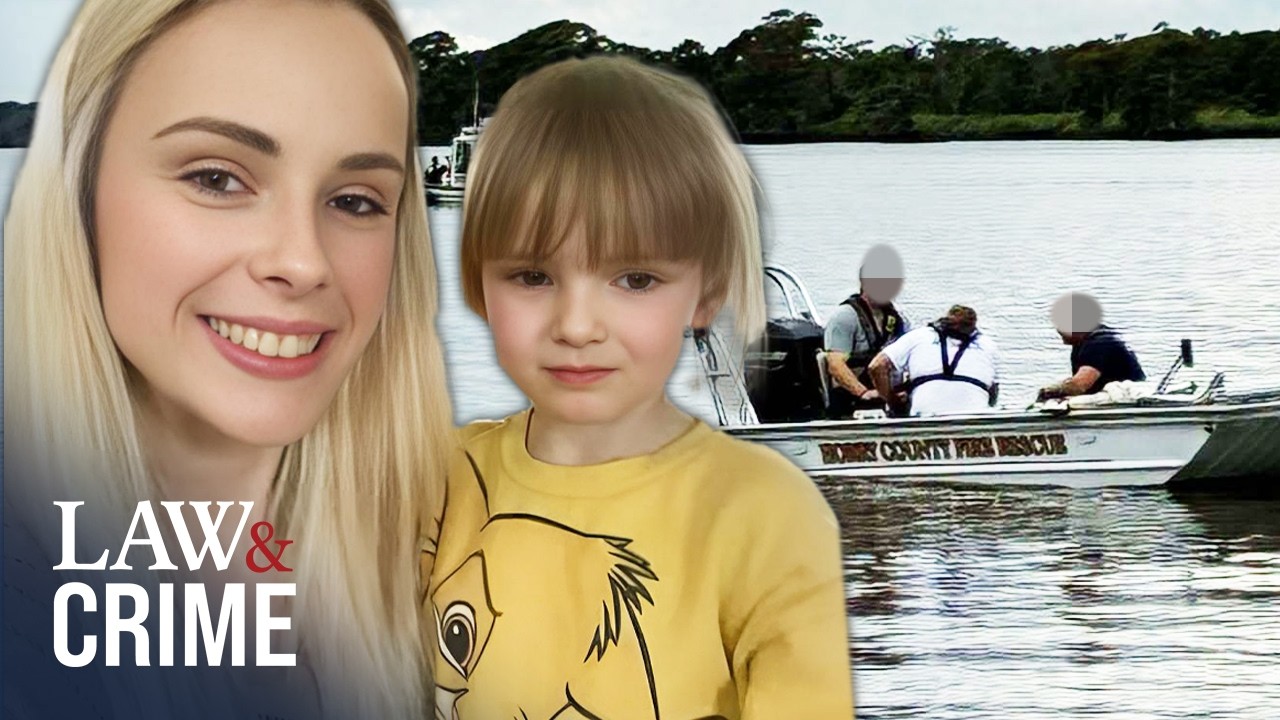 Sheriff Carter Weaver, who had been leading a massive multi-agency search involving drones, helicopters, divers, and canine units since the child was reported missing the previous day, confirmed the grim find in a somber press conference. The location was particularly troubling because it was an area that had been searched extensively the night before with underwater drones and divers, leading investigators to question the timeline of events and the information they had been given by the parents.
The initial 911 call came in just before noon on Sunday, August 30th, from the Hayes family, who stated that Sailor had wandered off from their rental property. The family, originally from Bristol, Virginia, had arrived in South Carolina for what was supposed to be a vacation. In the frantic hours that followed, Jordan Hayes was seen in 𝓿𝒾𝓇𝒶𝓁 videos speaking with neighbors and reporters, claiming that law enforcement had instructed her not to discuss the details of her daughter’s disappearance.
She appeared distraught but offered few specifics about the circumstances leading up to the moment Sailor was last seen, creating an air of suspicion among onlookers and internet sleuths who followed the case closely.
A critical piece of the puzzle that law enforcement now says was a central part of the deception involves a Project Lifesaver tracking device. Sailor, who was severely autistic and non-verbal, had been enrolled in the program since 2024, which provides a radio frequency transmitter worn on the wrist to help locate individuals prone to wandering. The Hayes family told investigators that Sailor was wearing the device when she disappeared, prompting authorities to deploy a helicopter equipped with specialized technology to scan the area for the transmitter’s signal.
However, after hours of searching, no signal was detected, and a subsequent investigation revealed a 𝓈𝒽𝓸𝒸𝓀𝒾𝓃𝑔 truth: the tracker was not on Sailor at all.
According to the arrest warrants, the tracking device was found in a car more than six and a half hours away, back at the family’s home in Bristol, Virginia. When South Carolina authorities contacted law enforcement in Virginia to trace the device, they discovered it had been removed from Sailor prior to the family even leaving the state. The warrants allege that the device had been deliberately taken off the child, a process that requires cutting the band, and left behind.
Deputies believe this was not an accidental oversight, but a calculated move by the parents, who then encouraged search efforts to focus on the tracking technology despite knowing it was futile.
The language in the arrest warrants is stark and damning, outlining a pattern of behavior that investigators argue placed Sailor in extreme danger. The documents state that the responsible caregivers placed the child at an unreasonable risk of harm by failing to provide supervision appropriate for a severely non-verbal autistic 5-year-old with a known affinity for water and a history of elopement. The warrants specifically note that the child was left unsupervised within approximately 15 meters of a body of water, a scenario that was a known and avoidable hazard given her developmental challenges and fascination with aquatic environments.
Perhaps the most explosive allegation in the warrant is that the parents actively directed search efforts away from the nearby water, where Sailor’s body was ultimately found. The document reads that the defendants encouraged search efforts to be directed toward the use of tracking technology and further directed search efforts away from the body of water, actions that law enforcement believes were intentional attempts to mislead the investigation. This accusation suggests a level of premeditation and callousness that has shocked even seasoned investigators, who are now treating the case as a potential homicide rather than a tragic accident.
The timeline of the parents’ arrest adds another layer of complexity to the case. Jordan and John Hayes were taken into custody in Carter County, Tennessee, late on September 1st, just one day after their daughter’s body was recovered. Carter County is approximately an hour south of Bristol, Virginia, suggesting the couple may have been attempting to return home or flee the jurisdiction when they were apprehended.
They are currently being held in Tennessee, where they are expected to face extradition hearings to be transferred to South Carolina to answer for the charges against them.
 Retired NYPD Detective David Sarnney, who has been analyzing the case, emphasized the significance of the tracking device in building the case against the parents. He noted that Project Lifesaver devices are not easily removed, requiring a deliberate cutting action, and are typically worn around the clock. The fact that the device was found in Virginia, while the family was in South Carolina, indicates that it was removed before the trip, a detail that the parents would have certainly known.
This knowledge, combined with their insistence that search efforts focus on the tracker, points to a deliberate attempt to throw investigators off the scent.
The couple’s social media presence has also come under scrutiny, with investigators and the public alike examining posts that now seem hauntingly prophetic. Jordan Hayes frequently shared videos and photos of Sailor, often highlighting her daughter’s challenges and her love of food and water. One TikTok post from the previous year showed Sailor enjoying oysters while her mother discussed her non-verbal autism.
In another post, Jordan pointed out that her daughter was attracted to water, a detail that now carries a tragic weight given the circumstances of her death. These posts, while seemingly innocent at the time, are now being viewed as evidence of a known risk that the parents failed to mitigate.
The investigation is far from over, with an autopsy scheduled for Friday to determine the exact cause and manner of Sailor’s death. While deputies have stated that there were no immediate signs of trauma on the child’s body, the medical examiner’s report will be crucial in determining whether Sailor drowned or if her death was caused by other means before she entered the water. Toxicology reports may also be conducted to rule out any substances that could have been administered to the child, a standard procedure in cases involving young victims where foul play is suspected.
Legal experts suggest that the current charges of unlawfully placing a child at risk and willfully abandoning a child could be upgraded to more serious offenses, including homicide, depending on the outcome of the autopsy and the continued investigation. The arrest warrants have laid a foundation for a case that alleges not just negligence, but active deception and a disregard for the child’s life that borders on criminal intent. The fact that the parents are accused of steering searchers away from the water where their daughter lay is a detail that prosecutors are likely to use to argue for more severe charges.
The community on Pawleys Island, a popular vacation destination south of Myrtle Beach, has been left reeling by the tragedy. The Haggley Estates neighborhood, typically a quiet enclave of rental properties and seasonal residents, became the epicenter of a frantic search effort that drew in local, state, and federal resources. Residents watched in disbelief as law enforcement combed the area by air, land, and water, hoping for a miracle that never came.
The discovery of Sailor’s body has cast a pall over the community, with many expressing anger and sorrow at the circumstances surrounding her death.
As the legal proceedings move forward, the focus will shift to the extradition process and the eventual trial of Jordan and John Hayes. The couple will first appear in a Carter County, Tennessee courtroom, where they will likely be asked if they waive extradition to South Carolina. If they fight extradition, the process could take weeks, but it is expected that they will ultimately be transported to Georgetown County to face the charges.
Their initial court appearance in Tennessee is set for Thursday, and the proceedings are expected to draw significant media attention given the nature of the allegations.
 The case has also raised broader questions about the supervision of special needs children and the responsibilities of caregivers. Sailor Hayes was a vulnerable child who required constant supervision and the use of safety devices like the Project Lifesaver tracker to protect her from wandering. The fact that her parents allegedly removed that device and then failed to keep her away from water, despite knowing her attraction to it, represents a catastrophic failure of care.
Advocacy groups for families with autistic children have expressed their shock and sadness, noting that such cases are rare but highlight the immense challenges faced by caregivers.
Investigators are now executing multiple search warrants in connection with the case, targeting the rental property in South Carolina, the family’s home in Virginia, and the vehicle in which they were traveling when arrested. They are likely seeking electronic devices, including cell phones and computers, which could contain evidence of the family’s planning and communications leading up to Sailor’s disappearance. They will also be examining the physical layout of the rental property and the surrounding area to better understand how Sailor could have ended up in the water without being noticed.
The arrest warrants also mention that the parents have a son, who was with them on the vacation. The welfare of this child is now a priority for authorities, and it is unclear who is caring for him while his parents are in custody. The Department of Social Services in both South Carolina and Virginia have been notified, and it is likely that the son will be placed with relatives or in state custody pending the outcome of the investigation.
The emotional toll on this child, who has lost his sister and is now separated from his parents, adds another layer of tragedy to an already heartbreaking story.
In the days leading up to the arrest, Jordan Hayes had changed her Facebook profile picture to a photo of Sailor on a slide, with the caption “Mommy’s Little Angel” and angel wings superimposed on the child’s back. The post, made on the day her daughter’s body was found, was seen by many as a tribute to a lost child. However, in light of the subsequent charges, investigators and the public are now questioning whether this was a genuine expression of grief or a calculated attempt to portray herself as a grieving mother while actively obstructing the investigation into her daughter’s death.
The sheriff’s office has remained tight-lipped about the specific evidence that led to the arrests, but the warrants provide a clear narrative of their theory. They believe that the parents knowingly left Sailor unsupervised near water, knew that her tracking device was not on her, and deliberately misled searchers to look in the wrong direction. This trifecta of alleged negligence and deception forms the basis of the current charges and could be the foundation for more serious accusations if the autopsy reveals that Sailor’s death was not accidental.
The case has drawn national attention, with true crime media outlets and major news networks covering the story extensively. The video of Jordan Hayes speaking to a reporter from Gab News, where she refused to comment and stated that law enforcement had told her not to say anything, has been widely circulated. In the video, she appears evasive and unwilling to provide any details about the circumstances of her daughter’s disappearance, a stark contrast to the behavior of most parents in similar situations who are desperate to share any information that might help find their child.
As the investigation continues, the focus will be on the autopsy results and any additional evidence that may be uncovered. The medical examiner will be looking for signs of drowning, but will also examine the child’s body for any marks, bruises, or other indicators of foul play. The absence of obvious trauma does not rule out homicide, as a child could have been held under water or otherwise incapacitated before being placed in the water.
The toxicology report will be critical in determining if Sailor had any drugs or sedatives in her system that could have rendered her helpless.
 The legal team representing Jordan and John Hayes has not yet issued a public statement, and it is unclear who will be representing them in court. Given the severity of the charges and the public outrage surrounding the case, securing competent legal counsel will be a challenge. The couple will likely plead not guilty to the current charges, and their attorneys may argue that the death was a tragic accident and that the removal of the tracking device was an unintentional oversight.
However, the allegations that they directed searchers away from the water will be difficult to overcome.
The timeline of events is also under scrutiny, with investigators trying to determine exactly when Sailor was last seen alive and when she entered the water. The family stated that she wandered off around 11:30 a. m.
on Sunday, but it is unclear if anyone actually saw her leave the property or if the parents were aware of her absence for some time before calling 911. The fact that the body was found in an area that had been searched the previous night suggests that Sailor may have been in the water for a significant period before she was discovered, or that the initial search was not as thorough as it should have been.
The Project Lifesaver program, which is designed to help locate missing individuals with cognitive disorders, has been thrust into the spotlight by this case. The program relies on caregivers to ensure that the tracking device is worn at all times and that the battery is regularly changed. In Sailor’s case, the device had been removed, and the battery had reportedly been changed on August 11th, just weeks before her death.
This indicates that the device was functional and on the child at that time, but was deliberately removed sometime between then and the family’s trip to South Carolina.
The arrest of the parents has brought a sense of justice to some, but for many, it is a hollow victory given that a young life has been lost. The case serves as a stark reminder of the vulnerabilities faced by children with special needs and the immense responsibility placed on their caregivers. It also raises uncomfortable questions about what happens behind closed doors in families under stress, and whether the signs of danger were present long before the tragic outcome.
As the legal process unfolds, the public will be watching closely to see if the charges are upgraded and whether the parents will face trial for more serious offenses. The evidence laid out in the arrest warrants is compelling, but it will be up to a jury to determine the guilt or innocence of Jordan and John Hayes. In the meantime, the memory of Sailor Hayes, a little girl who loved food and was drawn to water, will be honored by those who knew her and by the many strangers who followed her story and hoped for a better outcome.
The case has also sparked a broader conversation about the need for better support systems for families raising children with severe autism. The challenges of preventing elopement and ensuring safety are immense, and many parents rely on devices like Project Lifesaver to provide peace of mind. However, this case demonstrates that technology is only effective if it is used properly, and that the ultimate responsibility for a child’s safety lies with the adults in their lives.
The failure of the Hayes parents to fulfill that responsibility has resulted in an unthinkable tragedy and a legal reckoning that is only just beginning.