A massive cocaine trafficking ring operating out of two Penn State University fraternity houses has been dismantled, with 14 people charged including former students and the father of one suspect, Pennsylvania Attorney General Dave Sunday announced Thursday in a bombshell press conference that has sent shockwaves through the university community and beyond. The investigation, which spanned from 2023 to 2024, uncovered a sophisticated operation where large quantities of cocaine were transported from Philadelphia and New York to State College, where they were cut, packaged, and sold primarily to Penn State students, with fraternity pledges allegedly forced to participate in the packaging process.
The two main suppliers, identified as Agugustino Abatiello and Thomas Robinson, were senior members of the Delta Upsilon and Sigma Kai fraternities, according to the attorney general, who described the operation as an upper-level trafficking organization for the region. Abatiello, a former Penn State student and member of Sigma Kai, has been described by multiple witnesses as the largest dealer of cocaine for Penn State University students during the 2023 to 2024 timeframe, with evidence showing he made considerable amounts of money from the illegal enterprise.
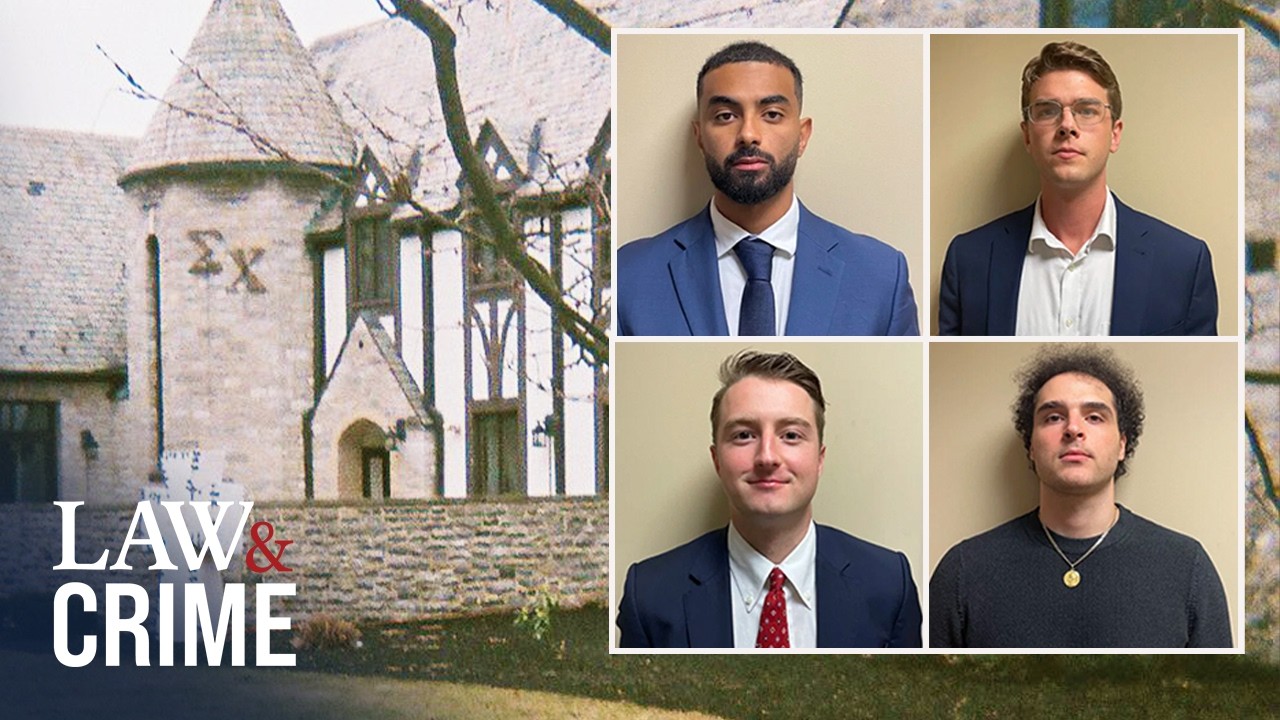 The charges include felony corrupt organizations, conspiracy, dealing in proceeds of unlawful activity, and related offenses, reflecting the coordinated and organized nature of the operation that involved regular trips to source cities and large amounts of cocaine being brought back to the fraternity houses. Abatiello, Robinson, Muhammad Harabi, and Lars Zepfat face the most serious charges, while five others, including Robert Zenola, face felony conspiracy and criminal use of communication facility charges, and eight other student-age defendants have been charged with misdemeanor counts of 𝒹𝓇𝓊𝑔 possession and paraphernalia.
Paul Robinson, the father of Thomas Robinson, is the only non-student charged, accused of taking steps to conceal evidence, including a safe containing drugs and cash, and obstructing the investigation, according to the attorney general. The investigation began in September 2024 when Detective Donald Paul of the State College Police Department initiated a probe into a cocaine distribution ring, quickly developing a confidential informant who conducted several controlled purchases of cocaine from an individual whose sources were associated with the two fraternities.
The controlled purchases, a method used to buy illegal drugs using a CI under law enforcement control, were key to building the case, allowing police to obtain the substances, test them, and link them back to the sellers and suppliers. After several controlled purchases, police arrested Thomas Robinson, who was selling cocaine from the Delta Upsilon fraternity house, charging him with deliveries to the CI and seizing items after executing a search warrant on his room at the fraternity.
A total of six controlled purchases were made from Robinson between September 2024 and December 2024, with the drugs sent to the Pennsylvania State Police Crime Lab for testing, confirming they were cocaine, and the total weight between the control purchases and seizure from Robinson’s room totaled 73.8 grams of cocaine. After his arrest, Robinson cooperated with law enforcement and provided information about his source of illegal narcotics, telling police that Abatiello was his source for cocaine and explaining that he obtained cocaine from Abatiello on numerous occasions.
Robinson detailed six larger transactions that took place between January 2024 and September 2024, with the first two purchases of cocaine from Abatiello being for between 6 and 8 ounces on each transaction, and the third purchase taking place around March 19, 2024, when Robinson purchased 500 grams from Abatiello for $18,000. The date was confirmed using a photo on Robinson’s phone wherein several pledges of Delta Upsilon were assisting Robinson in packaging the cocaine into smaller baggies for distribution, providing compelling evidence for prosecutors.
Robinson’s last 𝒹𝓇𝓊𝑔 purchase from Abatiello occurred around September 2024 when he purchased an additional kilogram of cocaine for $22,000, with the date confirmed because the sale took place on a weekend of a home football game at Penn State University, highlighting the brazen nature of the operation. The grand jury filing reveals that Robinson first met Abatiello through Muhammad Harabi, who was one of Robinson’s fraternity brothers at Delta Upsilon and first introduced Robinson to cocaine at the fraternity house around December 2022.
Harabi first started selling cocaine to other brothers within the house after taking over for another fraternity brother, and in July 2023, he approached Robinson and asked him to become business partners in distributing cocaine, with the two starting to buy drugs together when they returned to school in the fall of 2023. Initially, Harabi acquired drugs from Abatiello and later introduced Robinson so that he could purchase directly from Abatiello, with Harabi testifying before the grand jury that in the fall of 2023, he set up the first purchase of cocaine from Abatiello using Snapchat.
The agreement was to purchase around 100 grams of cocaine for $4,000, with Robinson and Harabi both contributing cash for the purchase, and Abatiello brought the drugs to Delta Upsilon and delivered 100 grams of cocaine to Harabi in exchange for cash. Harabi’s plan for the cocaine was to repackage it in half-gram bags to sell for profit, with Robinson and Harabi both making a commission off the sale of bags of cocaine, and they would communicate with one another whenever the bags were sold to keep track of their profits.
As the 𝒹𝓇𝓊𝑔 business grew, Robinson utilized brothers of the fraternity to assist him in his 𝒹𝓇𝓊𝑔 operation, with Connor Hurley and Michael Brogna, brothers at Delta Upsilon, assisting Robinson by packaging cocaine and delivering bags of cocaine to individuals for purchase in the fall of 2024. Additionally, Ryan Matson, described as Robinson’s best friend, was also an integral part of Robinson’s 𝒹𝓇𝓊𝑔 distribution network, assisting Robinson in picking up drugs from Abatiello and in distributing cocaine, though Matson is not among those currently facing criminal charges.
Lars Zepfat was identified as another business partner of Abatiello, a brother at the fraternity Sigma Kai who worked closely with Abatiello in distributing drugs, and he explained that he was a cocaine user who had a source for cocaine in Philadelphia when he first came to Penn State. Zepfat would get cocaine from his source in Philadelphia for himself and some of his fraternity brothers, including Abatiello, initially buying between three and a half to seven ounces of cocaine from his Philadelphia source before that source would no longer talk to him.
Zepfat and Abatiello then sought out a new source, with Abatiello finding a source in his hometown in New York that would supply them with larger amounts of cocaine, and around spring 2023, Abatiello made a large purchase for 100 grams of cocaine. Once he made this large purchase, Zepfat described a shift in Abatiello, and it was clear to him that Abatiello was now selling drugs for profit rather than sourcing it for himself and a few friends, branching out from selling cocaine within the fraternity house to other fraternities and students.
On another occasion in spring 2023, Abatiello asked Zepfat and Robert Zenola, another Sigma Kai brother, to make a trip with him to New York to reup his supply of cocaine, with Zenola already purchasing cocaine from Abatiello at the time. Abatiello offered Zenola between $500 to $1,000 to make the trip to get cocaine, and Zepfat stated that Abatiello paid half the purchase price ahead of the trip while Zenola paid for the rest in cash, with Zepfat and Zenola taking three trips to purchase large quantities of drugs for Abatiello.
They would drive to a location based on an address given to them from Abatiello, where a man would deliver a bag with cocaine in it to either Zepfat or Zenola, and they would return with the bag to State College and give it to Abatiello, receiving payment in either cash or a cheaper price for cocaine. Zepfat explained that after Abatiello would get a large supply of cocaine, he would bring the drugs to Sigma Kai and have other brothers and pledges assist him in preparing and packaging the cocaine for resale, utilizing fraternity brothers or his roommates to assist in cutting up the cocaine and packaging it in smaller amounts to distribute.
Zepfat stated that during 2023 to 2024, Abatiello was the largest distributor of cocaine at Penn State University, boasting about how much money he was making from selling cocaine, and he detailed that Abatiello loaned him $1,500 so that he and other fraternity brothers could attend a spring break trip. Zepfat stated that Abatiello then made him deliver cocaine for him when he couldn’t pay back the loan, and he detailed other individuals including Andrew Aker who owed Abatiello thousands of dollars after taking a loan from him, with Aker being another individual who was selling cocaine for Abatiello.
Aker began purchasing cocaine from Abatiello in late fall 2023 and spring 2024 after becoming a fraternity brother at Sigma Kai, describing Abatiello as one of the bigger 𝒹𝓇𝓊𝑔 dealers at Penn State, and he began selling cocaine for Abatiello to make extra cash. Aker explained that he would often use Cash App to pay Abatiello for the cocaine that he was distributing, believing the amount of those transactions to total around $30,000, and between cash and digital transactions, he paid Abatiello over $50,000 for drugs, providing digital evidence that could be tough for defense attorneys to counter.
Several witnesses testified before the grand jury that they purchased cocaine on numerous occasions from Abatiello during their time at Penn State between January 2023 and August 2024, with many either assisting or observing Abatiello preparing cocaine for sale by cutting it from a larger form to smaller individual bags for distribution. The consensus among the witnesses who testified before the grand jury is that Abatiello was the main dealer of cocaine at Penn State during this time frame, making considerable amounts of money in the business, and he continued to distribute cocaine among his friends as recently as February 2026.
When Abatiello learned that individuals were being interviewed by law enforcement about 𝒹𝓇𝓊𝑔 dealing at Penn State, he begged them not to talk about his involvement, according to the grand jury filing, which prosecutors say demonstrates consciousness of guilt. Abatiello has turned himself into authorities, according to CBS4 News, and was arraigned on multiple counts including 𝒹𝓇𝓊𝑔 possession and conspiracy charges, with online court records showing he is now being held without bail.
The attorney general emphasized at the press conference that despite the gravity and seriousness of these charges, all defendants are innocent unless proven guilty, but he noted that the investigation took time because they wanted to arrest all individuals to root out the criminal organization and stop it from being able to continue dealing cocaine in the future. When asked about hazing-related charges for the pledges who were allegedly directed to cut and package cocaine, Sunday said this is an ongoing investigation, leaving the door open for future charges.
The university has responded to the allegations, with Penn State suspending Delta Upsilon while it investigates, and announcing that Sigma Kai is not recognized by the university and operates outside of its supervision. Andrea Dowhower, Penn State’s vice president for student affairs, released a statement saying, We are horrified by these serious allegations against current and former students, and criminal activity, including hazing, such as this has no place at our institution, and we will cooperate with law enforcement in any way we can.
The attorney general addressed concerns from parents, stating that no community exists that doesn’t have to deal with issues such as 𝒹𝓇𝓊𝑔 use, 𝒹𝓇𝓊𝑔 dealing, and addiction, but emphasized that law enforcement takes it extremely seriously and will continue to investigate and prosecute individuals who decide to deal drugs on college campuses. He warned students who think about going to college and being away from home for the first time that there are always going to be ramifications for their actions, and just because they are at college and making money, they cannot get away with such serious criminal conduct.
The charges filed include felony corrupt organizations, which is a serious charge that reflects the coordinated and organized nature of the operation, with regular trips to source cities and large amounts of cocaine being brought back to the fraternity houses. The five primary dealers, Abatiello, Robinson, Harabi, Zepfat, and Zenola, face the most serious charges, while the eight other student-age defendants have been charged with misdemeanor counts of 𝒹𝓇𝓊𝑔 possession and paraphernalia, which could potentially lead to plea deals and testimony against the larger players.
The investigation began in September 2024 when Detective Donald Paul of the State College Police Department initiated an investigation into a cocaine distribution ring being operated in State College, Pennsylvania, and early in the investigation, he was able to develop a confidential informant that conducted several controlled purchases of cocaine. The controlled purchases were key to building the case, allowing police to obtain the substances, test them, and link them back to the sellers and suppliers, creating a connective link in the complex organization.
After several controlled purchases, police arrested Thomas Robinson who was selling cocaine from the Delta Upsilon fraternity, charging him with the deliveries to the CI as well as items seized after a search warrant was executed on his room at the fraternity. A total of six controlled purchases were made from Robinson between September 2024 and December 2024, with the drugs sent to the Pennsylvania State Police Crime Lab for testing, confirming they were cocaine, and the total weight between the control purchases and seizure from Robinson’s room totaled 73.8 grams of cocaine.
After Robinson’s arrest, he cooperated with law enforcement and gave information about his source of illegal narcotics, telling police that Abatiello was his source for cocaine and explaining that he obtained cocaine from Abatiello on numerous occasions. Robinson detailed six larger transactions that took place between January 2024 and September 2024, with the first two purchases of cocaine from Abatiello being for between 6 and 8 ounces on each transaction, and the third purchase taking place around March 19, 2024, when Robinson purchased 500 grams from Abatiello for $18,000.
The date was confirmed using a photo on Robinson’s phone wherein several pledges of Delta Upsilon were assisting Robinson in packaging the cocaine into smaller baggies for distribution, providing compelling evidence for prosecutors. Robinson’s last 𝒹𝓇𝓊𝑔 purchase from Abatiello occurred around September 2024 when he purchased an additional kilogram of cocaine for $22,000, with the date confirmed because the sale took place on a weekend of a home football game at Penn State University.
 The grand jury filing reveals that Robinson first met Abatiello through Muhammad Harabi, who was one of Robinson’s fraternity brothers at Delta Upsilon and first introduced Robinson to cocaine at the fraternity house around December 2022. Harabi first started selling cocaine to other brothers within the house after taking over for another fraternity brother, and in July 2023, he approached Robinson and asked him to become business partners in distributing cocaine, with the two starting to buy drugs together when they returned to school in the fall of 2023.
Initially, Harabi acquired drugs from Abatiello and later introduced Robinson so that he could purchase directly from Abatiello, with Harabi testifying before the grand jury that in the fall of 2023, he set up the first purchase of cocaine from Abatiello using Snapchat. The agreement was to purchase around 100 grams of cocaine for $4,000, with Robinson and Harabi both contributing cash for the purchase, and Abatiello brought the drugs to Delta Upsilon and delivered 100 grams of cocaine to Harabi in exchange for cash.
Harabi’s plan for the cocaine was to repackage it in half-gram bags to sell for profit, with Robinson and Harabi both making a commission off the sale of bags of cocaine, and they would communicate with one another whenever the bags were sold to keep track of their profits. As the 𝒹𝓇𝓊𝑔 business grew, Robinson utilized brothers of the fraternity to assist him in his 𝒹𝓇𝓊𝑔 operation, with Connor Hurley and Michael Brogna, brothers at Delta Upsilon, assisting Robinson by packaging cocaine and delivering bags of cocaine to individuals for purchase in the fall of 2024.
Additionally, Ryan Matson, described as Robinson’s best friend, was also an integral part of Robinson’s 𝒹𝓇𝓊𝑔 distribution network, assisting Robinson in picking up drugs from Abatiello and in distributing cocaine, though Matson is not among those currently facing criminal charges. Lars Zepfat was identified as another business partner of Abatiello, a brother at the fraternity Sigma Kai who worked closely with Abatiello in distributing drugs, and he explained that he was a cocaine user who had a source for cocaine in Philadelphia when he first came to Penn State.
Zepfat would get cocaine from his source in Philadelphia for himself and some of his fraternity brothers, including Abatiello, initially buying between three and a half to seven ounces of cocaine from his Philadelphia source before that source would no longer talk to him. Zepfat and Abatiello then sought out a new source, with Abatiello finding a source in his hometown in New York that would supply them with larger amounts of cocaine, and around spring 2023, Abatiello made a large purchase for 100 grams of cocaine.
Once he made this large purchase, Zepfat described a shift in Abatiello, and it was clear to him that Abatiello was now selling drugs for profit rather than sourcing it for himself and a few friends, branching out from selling cocaine within the fraternity house to other fraternities and students. On another occasion in spring 2023, Abatiello asked Zepfat and Robert Zenola, another Sigma Kai brother, to make a trip with him to New York to reup his supply of cocaine, with Zenola already purchasing cocaine from Abatiello at the time.
Abatiello offered Zenola between $500 to $1,000 to make the trip to get cocaine, and Zepfat stated that Abatiello paid half the purchase price ahead of the trip while Zenola paid for the rest in cash, with Zepfat and Zenola taking three trips to purchase large quantities of drugs for Abatiello. They would drive to a location based on an address given to them from Abatiello, where a man would deliver a bag with cocaine in it to either Zepfat or Zenola, and they would return with the bag to State College and give it to Abatiello, receiving payment in either cash or a cheaper price for cocaine.
Zepfat explained that after Abatiello would get a large supply of cocaine, he would bring the drugs to Sigma Kai and have other brothers and pledges assist him in preparing and packaging the cocaine for resale, utilizing fraternity brothers or his roommates to assist in cutting up the cocaine and packaging it in smaller amounts to distribute. Zepfat stated that during 2023 to 2024, Abatiello was the largest distributor of cocaine at Penn State University, boasting about how much money he was making from selling cocaine, and he detailed that Abatiello loaned him $1,500 so that he and other fraternity brothers could attend a spring break trip.
Zepfat stated that Abatiello then made him deliver cocaine for him when he couldn’t pay back the loan, and he detailed other individuals including Andrew Aker who owed Abatiello thousands of dollars after taking a loan from him, with Aker being another individual who was selling cocaine for Abatiello. Aker began purchasing cocaine from Abatiello in late fall 2023 and spring 2024 after becoming a fraternity brother at Sigma Kai, describing Abatiello as one of the bigger 𝒹𝓇𝓊𝑔 dealers at Penn State, and he began selling cocaine for Abatiello to make extra cash.
Aker explained that he would often use Cash App to pay Abatiello for the cocaine that he was distributing, believing the amount of those transactions to total around $30,000, and between cash and digital transactions, he paid Abatiello over $50,000 for drugs, providing digital evidence that could be tough for defense attorneys to counter. Several witnesses testified before the grand jury that they purchased cocaine on numerous occasions from Abatiello during their time at Penn State between January 2023 and August 2024, with many either assisting or observing Abatiello preparing cocaine for sale by cutting it from a larger form to smaller individual bags for distribution.
The consensus among the witnesses who testified before the grand jury is that Abatiello was the main dealer of cocaine at Penn State during this time frame, making considerable amounts of money in the business, and he continued to distribute cocaine among his friends as recently as February 2026. When Abatiello learned that individuals were being interviewed by law enforcement about 𝒹𝓇𝓊𝑔 dealing at Penn State, he begged them not to talk about his involvement, according to the grand jury filing, which prosecutors say demonstrates consciousness of guilt.
Abatiello has turned himself into authorities, according to CBS4 News, and was arraigned on multiple counts including 𝒹𝓇𝓊𝑔 possession and conspiracy charges, with online court records showing he is now being held without bail. The attorney general emphasized at the press conference that despite the gravity and seriousness of these charges, all defendants are innocent unless proven guilty, but he noted that the investigation took time because they wanted to arrest all individuals to root out the criminal organization and stop it from being able to continue dealing cocaine in the future.
When asked about hazing-related charges for the pledges who were allegedly directed to cut and package cocaine, Sunday said this is an ongoing investigation, leaving the door open for future charges. The university has responded to the allegations, with Penn State suspending Delta Upsilon while it investigates, and announcing that Sigma Kai is not recognized by the university and operates outside of its supervision.
Andrea Dowhower, Penn State’s vice president for student affairs, released a statement saying, We are horrified by these serious allegations against current and former students, and criminal activity, including hazing, such as this has no place at our institution, and we will cooperate with law enforcement in any way we can. The attorney general addressed concerns from parents, stating that no community exists that doesn’t have to deal with issues such as 𝒹𝓇𝓊𝑔 use, 𝒹𝓇𝓊𝑔 dealing, and addiction, but emphasized that law enforcement takes it extremely seriously and will continue to investigate and prosecute individuals who decide to deal drugs on college campuses.
He warned students who think about going to college and being away from home for the first time that there are always going to be ramifications for their actions, and just because they are at college and making money, they cannot get away with such serious criminal conduct. The charges filed include felony corrupt organizations, which is a serious charge that reflects the coordinated and organized nature of the operation, with regular trips to source cities and large amounts of cocaine being brought back to the fraternity houses.
The five primary dealers, Abatiello, Robinson, Harabi, Zepfat, and Zenola, face the most serious charges, while the eight other student-age defendants have been charged with misdemeanor counts of 𝒹𝓇𝓊𝑔 possession and paraphernalia, which could potentially lead to plea deals and testimony against the larger players. The investigation began in September 2024 when Detective Donald Paul of the State College Police Department initiated an investigation into a cocaine distribution ring being operated in State College, Pennsylvania, and early in the investigation, he was able to develop a confidential informant that conducted several controlled purchases of cocaine.
The controlled purchases were key to building the case, allowing police to obtain the substances, test them, and link them back to the sellers and suppliers, creating a connective link in the complex organization. After several controlled purchases, police arrested Thomas Robinson who was selling cocaine from the Delta Upsilon fraternity, charging him with the deliveries to the CI as well as items seized after a search warrant was executed on his room at the fraternity.
A total of six controlled purchases were made from Robinson between September 2024 and December 2024, with the drugs sent to the Pennsylvania State Police Crime Lab for testing, confirming they were cocaine, and the total weight between the control purchases and seizure from Robinson’s room totaled 73.8 grams of cocaine. After Robinson’s arrest, he cooperated with law enforcement and gave information about his source of illegal narcotics, telling police that Abatiello was his source for cocaine and explaining that he obtained cocaine from Abatiello on numerous occasions.
Robinson detailed six larger transactions that took place between January 2024 and September 2024, with the first two purchases of cocaine from Abatiello being for between 6 and 8 ounces on each transaction, and the third purchase taking place around March 19, 2024, when Robinson purchased 500 grams from Abatiello for $18,000. The date was confirmed using a photo on Robinson’s phone wherein several pledges of Delta Upsilon were assisting Robinson in packaging the cocaine into smaller baggies for distribution, providing compelling evidence for prosecutors.
Robinson’s last 𝒹𝓇𝓊𝑔 purchase from Abatiello occurred around September 2024 when he purchased an additional kilogram of cocaine for $22,000, with the date confirmed because the sale took place on a weekend of a home football game at Penn State University. The grand jury filing reveals that Robinson first met Abatiello through Muhammad Harabi, who was one of Robinson’s fraternity brothers at Delta Upsilon and first introduced Robinson to cocaine at the fraternity house around December 2022.
Harabi first started selling cocaine to other brothers within the house after taking over for another fraternity brother, and in July 2023, he approached Robinson and asked him to become business partners in distributing cocaine, with the two starting to buy drugs together when they returned to school in the fall of 2023. Initially, Harabi acquired drugs from Abatiello and later introduced Robinson so that he could purchase directly from Abatiello, with Harabi testifying before the grand jury that in the fall of 2023, he set up the first purchase of cocaine from Abatiello using Snapchat.
The agreement was to purchase around 100 grams of cocaine for $4,000, with Robinson and Harabi both contributing cash for the purchase, and Abatiello brought the drugs to Delta Upsilon and delivered 100 grams of cocaine to Harabi in exchange for cash. Harabi’s plan for the cocaine was to repackage it in half-gram bags to sell for profit, with Robinson and Harabi both making a commission off the sale of bags of cocaine, and they would communicate with one another whenever the bags were sold to keep track of their profits.
As the 𝒹𝓇𝓊𝑔 business grew, Robinson utilized brothers of the fraternity to assist him in his 𝒹𝓇𝓊𝑔 operation, with Connor Hurley and Michael Brogna, brothers at Delta Upsilon, assisting Robinson by packaging cocaine and delivering bags of cocaine to individuals for purchase in the fall of 2024. Additionally, Ryan Matson, described as Robinson’s best friend, was also an integral part of Robinson’s 𝒹𝓇𝓊𝑔 distribution network, assisting Robinson in picking up drugs from Abatiello and in distributing cocaine, though Matson is not among those currently facing criminal charges.
Lars Zepfat was identified as another business partner of Abatiello, a brother at the fraternity Sigma Kai who worked closely with Abatiello in distributing drugs, and he explained that he was a cocaine user who had a source for cocaine in Philadelphia when he first came to Penn State. Zepfat would get cocaine from his source in Philadelphia for himself and some of his fraternity brothers, including Abatiello, initially buying between three and a half to seven ounces of cocaine from his Philadelphia source before that source would no longer talk to him.
 Zepfat and Abatiello then sought out a new source, with Abatiello finding a source in his hometown in New York that would supply them with larger amounts of cocaine, and around spring 2023, Abatiello made a large purchase for 100 grams of cocaine. Once he made this large purchase, Zepfat described a shift in Abatiello, and it was clear to him that Abatiello was now selling drugs for profit rather than sourcing it for himself and a few friends, branching out from selling cocaine within the fraternity house to other fraternities and students.
On another occasion in spring 2023, Abatiello asked Zepfat and Robert Zenola, another Sigma Kai brother, to make a trip with him to New York to reup his supply of cocaine, with Zenola already purchasing cocaine from Abatiello at the time. Abatiello offered Zenola between $500 to $1,000 to make the trip to get cocaine, and Zepfat stated that Abatiello paid half the purchase price ahead of the trip while Zenola paid for the rest in cash, with Zepfat and Zenola taking three trips to purchase large quantities of drugs for Abatiello.
They would drive to a location based on an address given to them from Abatiello, where a man would deliver a bag with cocaine in it to either Zepfat or Zenola, and they would return with the bag to State College and give it to Abatiello, receiving payment in either cash or a cheaper price for cocaine. Zepfat explained that after Abatiello would get a large supply of cocaine, he would bring the drugs to Sigma Kai and have other brothers and pledges assist him in preparing and packaging the cocaine for resale, utilizing fraternity brothers or his roommates to assist in cutting up the cocaine and packaging it in smaller amounts to distribute.
Zepfat stated that during 2023 to 2024, Abatiello was the largest distributor of cocaine at Penn State University, boasting about how much money he was making from selling cocaine, and he detailed that Abatiello loaned him $1,500 so that he and other fraternity brothers could attend a spring break trip. Zepfat stated that Abatiello then made him deliver cocaine for him when he couldn’t pay back the loan, and he detailed other individuals including Andrew Aker who owed Abatiello thousands of dollars after taking a loan from him, with Aker being another individual who was selling cocaine for Abatiello.
Aker began purchasing cocaine from Abatiello in late fall 2023 and spring 2024 after becoming a fraternity brother at Sigma Kai, describing Abatiello as one of the bigger 𝒹𝓇𝓊𝑔 dealers at Penn State, and he began selling cocaine for Abatiello to make extra cash. Aker explained that he would often use Cash App to pay Abatiello for the cocaine that he was distributing, believing the amount of those transactions to total around $30,000, and between cash and digital transactions, he paid Abatiello over $50,000 for drugs, providing digital evidence that could be tough for defense attorneys to counter.
Several witnesses testified before the grand jury that they purchased cocaine on numerous occasions from Abatiello during their time at Penn State between January 2023 and August 2024, with many either assisting or observing Abatiello preparing cocaine for sale by cutting it from a larger form to smaller individual bags for distribution. The consensus among the witnesses who testified before the grand jury is that Abatiello was the main dealer of cocaine at Penn State during this time frame, making considerable amounts of money in the business, and he continued to distribute cocaine among his friends as recently as February 2026.
When Abatiello learned that individuals were being interviewed by law enforcement about 𝒹𝓇𝓊𝑔 dealing at Penn State, he begged them not to talk about his involvement, according to the grand jury filing, which prosecutors say demonstrates consciousness of guilt. Abatiello has turned himself into authorities, according to CBS4 News, and was arraigned on multiple counts including 𝒹𝓇𝓊𝑔 possession and conspiracy charges, with online court records showing he is now being held without bail.
The attorney general emphasized at the press conference that despite the gravity and seriousness of these charges, all defendants are innocent unless proven guilty, but he noted that the investigation took time because they wanted to arrest all individuals to root out the criminal organization and stop it from being able to continue dealing cocaine in the future. When asked about hazing-related charges for the pledges who were allegedly directed to cut and package cocaine, Sunday said this is an ongoing investigation, leaving the door open for future charges.
The university has responded to the allegations, with Penn State suspending Delta Upsilon while it investigates, and announcing that Sigma Kai is not recognized by the university and operates outside of its supervision. Andrea Dowhower, Penn State’s vice president for student affairs, released a statement saying, We are horrified by these serious allegations against current and former students, and criminal activity, including hazing, such as this has no place at our institution, and we will cooperate with law enforcement in any way we can.
The attorney general addressed concerns from parents, stating that no community exists that doesn’t have to deal with issues such as 𝒹𝓇𝓊𝑔 use, 𝒹𝓇𝓊𝑔 dealing, and addiction, but emphasized that law enforcement takes it extremely seriously and will continue to investigate and prosecute individuals who decide to deal drugs on college campuses. He warned students who think about going to college and being away from home for the first time that there are always going to be ramifications for their actions, and just because they are at college and making money, they cannot get away with such serious criminal conduct.
The charges filed include felony corrupt organizations, which is a serious charge that reflects the coordinated and organized nature of the operation, with regular trips to source cities and large amounts of cocaine being brought back to the fraternity houses. The five primary dealers, Abatiello, Robinson, Harabi, Zepfat, and Zenola, face the most serious charges, while the eight other student-age defendants have been charged with misdemeanor counts of 𝒹𝓇𝓊𝑔 possession and paraphernalia, which could potentially lead to plea deals and testimony against the larger players.
The investigation began in September 2024 when Detective Donald Paul of the State College Police Department initiated an investigation into a cocaine distribution ring being operated in State College, Pennsylvania, and early in the investigation, he was able to develop a confidential informant that conducted several controlled purchases of cocaine. The controlled purchases were key to building the case, allowing police to obtain the substances, test them, and link them back to the sellers and suppliers, creating a connective link in the complex organization.
After several controlled purchases, police arrested Thomas Robinson who was selling cocaine from the Delta Upsilon fraternity, charging him with the deliveries to the CI as well as items seized after a search warrant was executed on his room at the fraternity. A total of six controlled purchases were made from Robinson between September 2024 and December 2024, with the drugs sent to the Pennsylvania State Police Crime Lab for testing, confirming they were cocaine, and the total weight between the control purchases and seizure from Robinson’s room totaled 73.8 grams of cocaine.
After Robinson’s arrest, he cooperated with law enforcement and gave information about his source of illegal narcotics, telling police that Abatiello was his source for cocaine and explaining that he obtained cocaine from Abatiello on numerous occasions. Robinson detailed six larger transactions that took place between January 2024 and September 2024, with the first two purchases of cocaine from Abatiello being for between 6 and 8 ounces on each transaction, and the third purchase taking place around March 19, 2024, when Robinson purchased 500 grams from Abatiello for $18,000.
The date was confirmed using a photo on Robinson’s phone wherein several pledges of Delta Upsilon were assisting Robinson in packaging the cocaine into smaller baggies for distribution, providing compelling evidence for prosecutors. Robinson’s last 𝒹𝓇𝓊𝑔 purchase from Abatiello occurred around September 2024 when he purchased an additional kilogram of cocaine for $22,000, with the date confirmed because the sale took place on a weekend of a home football game at Penn State University.
The grand jury filing reveals that Robinson first met Abatiello through Muhammad Harabi, who was one of Robinson’s fraternity brothers at Delta Upsilon and first introduced Robinson to cocaine at the fraternity house around December 2022. Harabi first started selling cocaine to other brothers within the house after taking over for another fraternity brother, and in July 2023, he approached Robinson and asked him to become business partners in distributing cocaine, with the two starting to buy drugs together when they returned to school in the fall of 2023.
Initially, Harabi acquired drugs from Abatiello and later introduced Robinson so that he could purchase directly from Abatiello, with Harabi testifying before the grand jury that in the fall of 2023, he set up the first purchase of cocaine from Abatiello using Snapchat. The agreement was to purchase around 100 grams of cocaine for $4,000, with Robinson and Harabi both contributing cash for the purchase, and Abatiello brought the drugs to Delta Upsilon and delivered 100 grams of cocaine to Harabi in exchange for cash.
Harabi’s plan for the cocaine was to repackage it in half-gram bags to sell for profit, with Robinson and Harabi both making a commission off the sale of bags of cocaine, and they would communicate with one another whenever the bags were sold to keep track of their profits. As the 𝒹𝓇𝓊𝑔 business grew, Robinson utilized brothers of the fraternity to assist him in his 𝒹𝓇𝓊𝑔 operation, with Connor Hurley and Michael Brogna, brothers at Delta Upsilon, assisting Robinson by packaging cocaine and delivering bags of cocaine to individuals for purchase in the fall of 2024.
Additionally, Ryan Matson, described as Robinson’s best friend, was also an integral part of Robinson’s 𝒹𝓇𝓊𝑔 distribution network, assisting Robinson in picking up drugs from Abatiello and in distributing cocaine, though Matson is not among those currently facing criminal charges. Lars Zepfat was identified as another business partner of Abatiello, a brother at the fraternity Sigma Kai who worked closely with Abatiello in distributing drugs, and he explained that he was a cocaine user who had a source for cocaine in Philadelphia when he first came to Penn State.
Zepfat would get cocaine from his source in Philadelphia for himself and some of his fraternity brothers, including Abatiello, initially buying between three and a half to seven ounces of cocaine from his Philadelphia source before that source would no longer talk to him. Zepfat and Abatiello then sought out a new source, with Abatiello finding a source in his hometown in New York that would supply them with larger amounts of cocaine, and around spring 2023, Abatiello made a large purchase for 100 grams of cocaine.
Once he made this large purchase, Zepfat described a shift in Abatiello, and it was clear to him that Abatiello was now selling drugs for profit rather than sourcing it for himself and a few friends, branching out from selling cocaine within the fraternity house to other fraternities and students. On another occasion in spring 2023, Abatiello asked Zepfat and Robert Zenola, another Sigma Kai brother, to make a trip with him to New York to reup his supply of cocaine, with Zenola already purchasing cocaine from Abatiello at the time.
Abatiello offered Zenola between $500 to $1,000 to make the trip to get cocaine, and Zepfat stated that Abatiello paid half the purchase price ahead of the trip while Zenola paid for the rest in cash, with Zepfat and Zenola taking three trips to purchase large quantities of drugs for Abatiello. They would drive to a location based on an address given to them from Abatiello, where a man would deliver a bag with cocaine in it to either Zepfat or Zenola, and they would return with the bag to State College and give it to Abatiello, receiving payment in either cash or a cheaper price for cocaine.
Zepfat explained that after Abatiello would get a large supply of cocaine, he would bring the drugs to Sigma Kai and have other brothers and pledges assist him in preparing and packaging the cocaine for resale, utilizing fraternity brothers or his roommates to assist in cutting up the cocaine and packaging it in smaller amounts to distribute. Zepfat stated that during 2023 to 2024, Abatiello was the largest distributor of cocaine at Penn State University, boasting about how much money he was making from selling cocaine, and he detailed that Abatiello loaned him $1,500 so that he and other fraternity brothers could attend a spring break trip.
Zepfat stated that Abatiello then made him deliver cocaine for him when he couldn’t pay back the loan, and he detailed other individuals including Andrew Aker who owed Abatiello thousands of dollars after taking a loan from him, with Aker being another individual who was selling cocaine for Abatiello. Aker began purchasing cocaine from Abatiello in late fall 2023 and spring 2024 after becoming a fraternity brother at Sigma Kai, describing Abatiello as one of the bigger 𝒹𝓇𝓊𝑔 dealers at Penn State, and he began selling cocaine for Abatiello to make extra cash.
 Aker explained that he would often use Cash App to pay Abatiello for the cocaine that he was distributing, believing the amount of those transactions to total around $30,000, and between cash and digital transactions, he paid Abatiello over $50,000 for drugs, providing digital evidence that could be tough for defense attorneys to counter. Several witnesses testified before the grand jury that they purchased cocaine on numerous occasions from Abatiello during their time at Penn State between January 2023 and August 2024, with many either assisting or observing Abatiello preparing cocaine for sale by cutting it from a larger form to smaller individual bags for distribution.
The consensus among the witnesses who testified before the grand jury is that Abatiello was the main dealer of cocaine at Penn State during this time frame, making considerable amounts of money in the business, and he continued to distribute cocaine among his friends as recently as February 2026. When Abatiello learned that individuals were being interviewed by law enforcement about 𝒹𝓇𝓊𝑔 dealing at Penn State, he begged them not to talk about his involvement, according to the grand jury filing, which prosecutors say demonstrates consciousness of guilt.
Abatiello has turned himself into authorities, according to CBS4 News, and was arraigned on multiple counts including 𝒹𝓇𝓊𝑔 possession and conspiracy charges, with online court records showing he is now being held without bail. The attorney general emphasized at the press conference that despite the gravity and seriousness of these charges, all defendants are innocent unless proven guilty, but he noted that the investigation took time because they wanted to arrest all individuals to root out the criminal organization and stop it from being able to continue dealing cocaine in the future.
When asked about hazing-related charges for the pledges who were allegedly directed to cut and package cocaine, Sunday said this is an ongoing investigation, leaving the door open for future charges. The university has responded to the allegations, with Penn State suspending Delta Upsilon while it investigates, and announcing that Sigma Kai is not recognized by the university and operates outside of its supervision.
Andrea Dowhower, Penn State’s vice president for student affairs, released a statement saying, We are horrified by these serious allegations against current and former students, and criminal activity, including hazing, such as this has no place at our institution, and we will cooperate with law enforcement in any way we can. The attorney general addressed concerns from parents, stating that no community exists that doesn’t have to deal with issues such as 𝒹𝓇𝓊𝑔 use, 𝒹𝓇𝓊𝑔 dealing, and addiction, but emphasized that law enforcement takes it extremely seriously and will continue to investigate and prosecute individuals who decide to deal drugs on college campuses.
He warned students who think about going to college and being away from home for the first time that there are always going to be ramifications for their actions, and just because they are at college and making money, they cannot get away with such serious criminal conduct. The charges filed include felony corrupt organizations, which is a serious charge that reflects the coordinated and organized nature of the operation, with regular trips to source cities and large amounts of cocaine being brought back to the fraternity houses.
The five primary dealers, Abatiello, Robinson, Harabi, Zepfat, and Zenola, face the most serious charges, while the eight other student-age defendants have been charged with misdemeanor counts of 𝒹𝓇𝓊𝑔 possession and paraphernalia, which could potentially lead to plea deals and testimony against the larger players. The investigation began in September 2024 when Detective Donald Paul of the State College Police Department initiated an investigation into a cocaine distribution ring being operated in State College, Pennsylvania, and early in the investigation, he was able to develop a confidential informant that conducted several controlled purchases of cocaine.
The controlled purchases were key to building the case, allowing police to obtain the substances, test them, and link them back to the sellers and suppliers, creating a connective link in the complex organization. After several controlled purchases, police arrested Thomas Robinson who was selling cocaine from the Delta Upsilon fraternity, charging him with the deliveries to the CI as well as items seized after a search warrant was executed on his room at the fraternity.
A total of six controlled purchases were made from Robinson between September 2024 and December 2024, with the drugs sent to the Pennsylvania State Police Crime Lab for testing, confirming they were cocaine, and the total weight between the control purchases and seizure from Robinson’s room totaled 73.8 grams of cocaine. After Robinson’s arrest, he cooperated with law enforcement and gave information about his source of illegal narcotics, telling police that Abatiello was his source for cocaine and explaining that he obtained cocaine from Abatiello on numerous occasions.
Robinson detailed six larger transactions that took place between January 2024 and September 2024, with the first two purchases of cocaine from Abatiello being for between 6 and 8 ounces on each transaction, and the third purchase taking place around March 19, 2024, when Robinson purchased 500 grams from Abatiello for $18,000. The date was confirmed using a photo on Robinson’s phone wherein several pledges of Delta Upsilon were assisting Robinson in packaging the cocaine into smaller baggies for distribution, providing compelling evidence for prosecutors.
Robinson’s last 𝒹𝓇𝓊𝑔 purchase from Abatiello occurred around September 2024 when he purchased an additional kilogram of cocaine for $22,000, with the date confirmed because the sale took place on a weekend of a home football game at Penn State University. The grand jury filing reveals that Robinson first met Abatiello through Muhammad Harabi, who was one of Robinson’s fraternity brothers at Delta Upsilon and first introduced Robinson to cocaine at the fraternity house around December 2022.
Harabi first started selling cocaine to other brothers within the house after taking over for another fraternity brother, and in July 2023, he approached Robinson and asked him to become business partners in distributing cocaine, with the two starting to buy drugs together when they returned to school in the fall of 2023. Initially, Harabi acquired drugs from Abatiello and later introduced Robinson so that he could purchase directly from Abatiello, with Harabi testifying before the grand jury that in the fall of 2023, he set up the first purchase of cocaine from Abatiello using Snapchat.
The agreement was to purchase around 100 grams of cocaine for $4,000, with Robinson and Harabi both contributing cash for the purchase, and Abatiello brought the drugs to Delta Upsilon and delivered 100 grams of cocaine to Harabi in exchange for cash. Harabi’s plan for the cocaine was to repackage it in half-gram bags to sell for profit, with Robinson and Harabi both making a commission off the sale of bags of cocaine, and they would communicate with one another whenever the bags were sold to keep track of their profits.
As the 𝒹𝓇𝓊𝑔 business grew, Robinson utilized brothers of the fraternity to assist him in his 𝒹𝓇𝓊𝑔 operation, with Connor Hurley and Michael Brogna, brothers at Delta Upsilon, assisting Robinson by packaging cocaine and delivering bags of cocaine to individuals for purchase in the fall of 2024. Additionally, Ryan Matson, described as Robinson’s best friend, was also an integral part of Robinson’s 𝒹𝓇𝓊𝑔 distribution network, assisting Robinson in picking up drugs from Abatiello and in distributing cocaine, though Matson is not among those currently facing criminal charges.
Lars Zepfat was identified as another business partner of Abatiello, a brother at the fraternity Sigma Kai who worked closely with Abatiello in distributing drugs, and he explained that he was a cocaine user who had a source for cocaine in Philadelphia when he first came to Penn State. Zepfat would get cocaine from his source in Philadelphia for himself and some of his fraternity brothers, including Abatiello, initially buying between three and a half to seven ounces of cocaine from his Philadelphia source before that source would no longer talk to him.
Zepfat and Abatiello then sought out a new source, with Abatiello finding a source in his hometown in New York that would supply them with larger amounts of cocaine, and around spring 2023, Abatiello made a large purchase for 100 grams of cocaine. Once he made this large purchase, Zepfat described a shift in Abatiello, and it was clear to him that Abatiello was now selling drugs for profit rather than sourcing it for himself and a few friends, branching out from selling cocaine within the fraternity house to other fraternities and students.
On another occasion in spring 2023, Abatiello asked Zepfat and Robert Zenola, another Sigma Kai brother, to make a trip with him to New York to reup his supply of cocaine, with Zenola already purchasing cocaine from Abatiello at the time. Abatiello offered Zenola between $500 to $1,000 to make the trip to get cocaine, and Zepfat stated that Abatiello paid half the purchase price ahead of the trip while Zenola paid for the rest in cash, with Zepfat and Zenola taking three trips to purchase large quantities of drugs for Abatiello.
They would drive to a location based on an address given to them from Abatiello, where a man would deliver a bag with cocaine in it to either Zepfat or Zenola, and they would return with the bag to State College and give it to Abatiello, receiving payment in either cash or a cheaper price for cocaine. Zepfat explained that after Abatiello would get a large supply of cocaine, he would bring the drugs to Sigma Kai and have other brothers and pledges assist him in preparing and packaging the cocaine for resale, utilizing fraternity brothers or his roommates to assist in cutting up the cocaine and packaging it in smaller amounts to distribute.
Zepfat stated that during 2023 to 2024, Abatiello was the largest distributor of cocaine at Penn State University, boasting about how much money he was making from selling cocaine, and he detailed that Abatiello loaned him $1,500 so that he and other fraternity brothers could attend a spring break trip. Zepfat stated that Abatiello then made him deliver cocaine for him when he couldn’t pay back the loan, and he detailed other individuals including Andrew Aker who owed Abatiello thousands of dollars after taking a loan from him, with Aker being another individual who was selling cocaine for Abatiello.
Aker began purchasing cocaine from Abatiello in late fall 2023 and spring 2024 after becoming a fraternity brother at Sigma Kai, describing Abatiello as one of the bigger 𝒹𝓇𝓊𝑔 dealers at Penn State, and he began selling cocaine for Abatiello to make extra cash. Aker explained that he would often use Cash App to pay Abatiello for the cocaine that he was distributing, believing the amount of those transactions to total around $30,000, and between cash and digital transactions, he paid Abatiello over $50,000 for drugs, providing digital evidence that could be tough for defense attorneys to counter.
Several witnesses testified before the grand jury that they purchased cocaine on numerous occasions from Abatiello during their time at Penn State between January 2023 and August 2024, with many either assisting or observing Abatiello preparing cocaine for sale by cutting it from a larger form to smaller individual bags for distribution. The consensus among the witnesses who testified before the grand jury is that Abatiello was the main dealer of cocaine at Penn State during this time frame, making considerable amounts of money in the business, and he continued to distribute cocaine among his friends as recently as February 2026.
When Abatiello learned that individuals were being interviewed by law enforcement about 𝒹𝓇𝓊𝑔 dealing at Penn State, he begged them not to talk about his involvement, according to the grand jury filing, which prosecutors say demonstrates consciousness of guilt. Abatiello has turned himself into authorities, according to CBS4 News, and was arraigned on multiple counts including 𝒹𝓇𝓊𝑔 possession and conspiracy charges, with online court records showing he is now being held without bail.
The attorney general emphasized at the press conference that despite the gravity and seriousness of these charges, all defendants are innocent unless proven guilty, but he noted that the investigation took time because they wanted to arrest all individuals to root out the criminal organization and stop it from being able to continue dealing cocaine in the future. When asked about hazing-related charges for the pledges who were allegedly directed to cut and package cocaine, Sunday said this is an ongoing investigation, leaving the door open for future charges.
The university has responded to the allegations, with Penn State suspending Delta Upsilon while it investigates, and announcing that Sigma Kai is not recognized by the university and operates outside of its supervision. Andrea Dowhower, Penn State’s vice president for student affairs, released a statement saying, We are horrified by these serious allegations against current and former students, and criminal activity, including hazing, such as this has no place at our institution, and we will cooperate with law enforcement in any way we can.
The attorney general addressed concerns from parents, stating that no community exists that doesn’t have to deal with issues such as 𝒹𝓇𝓊𝑔 use, 𝒹𝓇𝓊𝑔 dealing, and addiction, but emphasized that law enforcement takes it extremely seriously and will continue to investigate and prosecute individuals who decide to deal drugs on college campuses. He warned students who think about going to college and being away from home for the first time that there are always going to be ramifications for their actions, and just because they are at college and making money, they cannot get away with such serious criminal conduct.