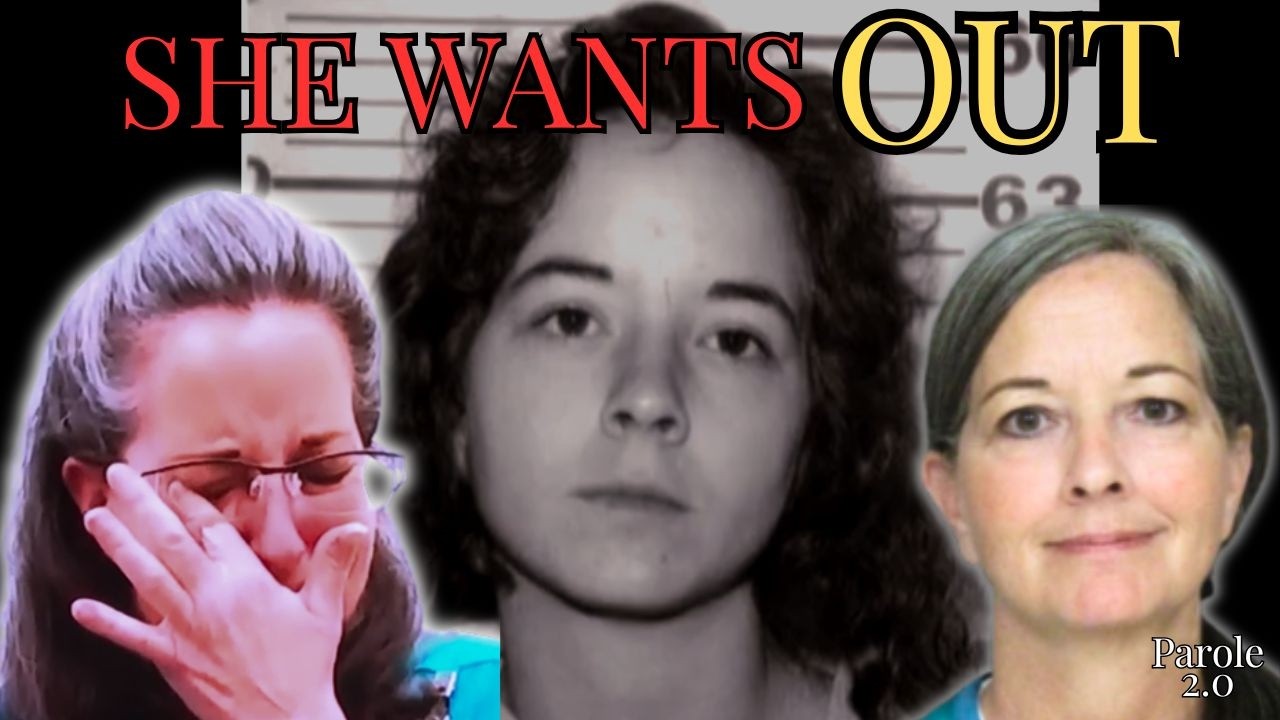
The gray-haired woman on the video screen spoke in a quiet, trembling voice, apologizing for a crime that has haunted the American conscience for three decades. Susan Smith, now 53, sat in a South Carolina prison facility on a Wednesday morning in November 2024, asking a panel of strangers to grant her something she has not had since 1994: freedom. Her request was met with a unanimous denial from the South Carolina Board of Paroles and Pardons, but the decision is not final.
Under state law, Smith will be eligible to apply for parole again in November 2026, setting the stage for another agonizing reckoning with the question of whether a mother who drowned her two young sons can ever be redeemed.
The case, one of the most infamous in modern American criminal history, began on the evening of October 25, 1994, when Smith, then 23, drove her Mazda to John D. Long Lake in Union, South Carolina. Inside the car were her sons, Michael, age 3, and Alex, who had just celebrated his first birthday.
According to testimony and evidence presented at her trial, Smith got out of the vehicle and watched as it rolled down a boat ramp into the dark water. The car did not sink immediately. Forensic reconstruction testing showed it floated for approximately six minutes, long enough for the interior to fill with water as the boys remained strapped in their car seats.
Smith did not attempt to rescue them. She did not call for help. Instead, she walked to a nearby home and told a neighbor that a Black man had carjacked her vehicle with her children inside.
For nine days, Smith maintained the lie. She appeared before television cameras, tearfully pleading for the safe return of Michael and Alex. She described the fictional carjacker in detail, claiming he was a Black man wearing a toboggan cap, blue jeans, and tennis shoes.
Law enforcement launched a massive search, involving the FBI, helicopters, roadblocks, and volunteers who combed wooded areas and lakes across the region. Smith participated in interviews and polygraph tests, which she failed. Investigators grew suspicious as inconsistencies emerged in her story.
There were no witnesses to the alleged carjacking, no physical evidence, and no sign of a struggle. On November 3, 1994, Sheriff Howard Wells confronted Smith directly. After asking to pray with him, she confessed.
The car was recovered from the lake, and the bodies of Michael and Alex were found inside.

At her trial in July 1995, prosecutors argued that Smith killed her children to pursue a relationship with a wealthy man named Tom Finley, who had written her a letter saying he did not want children. The defense contended that Smith was emotionally unstable, suffering from depression and a history of sexual 𝓪𝓫𝓾𝓼𝓮 by her stepfather, and that she had intended to die alongside her sons but lost her nerve at the last moment. The jury convicted Smith of two counts of murder but spared her the death penalty, sentencing her to life in prison.
At the time, South Carolina law allowed for parole eligibility after 30 years, a detail the jury was not permitted to consider during deliberations. The law changed in 1996, making life sentences truly life without parole, but the change did not apply retroactively to Smith.
The three decades Smith has spent behind bars have been far from uneventful. In 2000, she was discovered to have engaged in sexual relationships with two correctional officers, both of whom lost their jobs and faced criminal charges. Smith was disciplined and later transferred to a facility closer to her mother, a move she had requested.
Over the years, she accumulated a disciplinary record that included self-inflicted injury, 𝒹𝓇𝓊𝑔 possession, and other violations, though she also maintained prison jobs and had stretches without incident. In the months leading up to her first parole hearing, Smith violated prison policy by communicating with a documentary filmmaker, using prison phones and tablets to provide contact information for her ex-husband, David Smith, and accepting money into her inmate account. She lost phone, tablet, and canteen privileges for 90 days.
At the November 2024 hearing, Smith appeared via video link, her hair gray and her voice subdued. She expressed remorse, saying she loved Michael and Alex and that she was sorry for what she had done. She described herself as not being in her right mind on the night of the murders and said she had not lied to get away with it but was scared.
Her explanation, however, was difficult to follow and at times seemed to minimize the deliberate nature of the act. David Smith, the boys’ father, addressed the board in person, his voice thick with grief that has not diminished in three decades. He said he had never felt any remorse from Susan and that her actions had nearly driven him to take his own life.
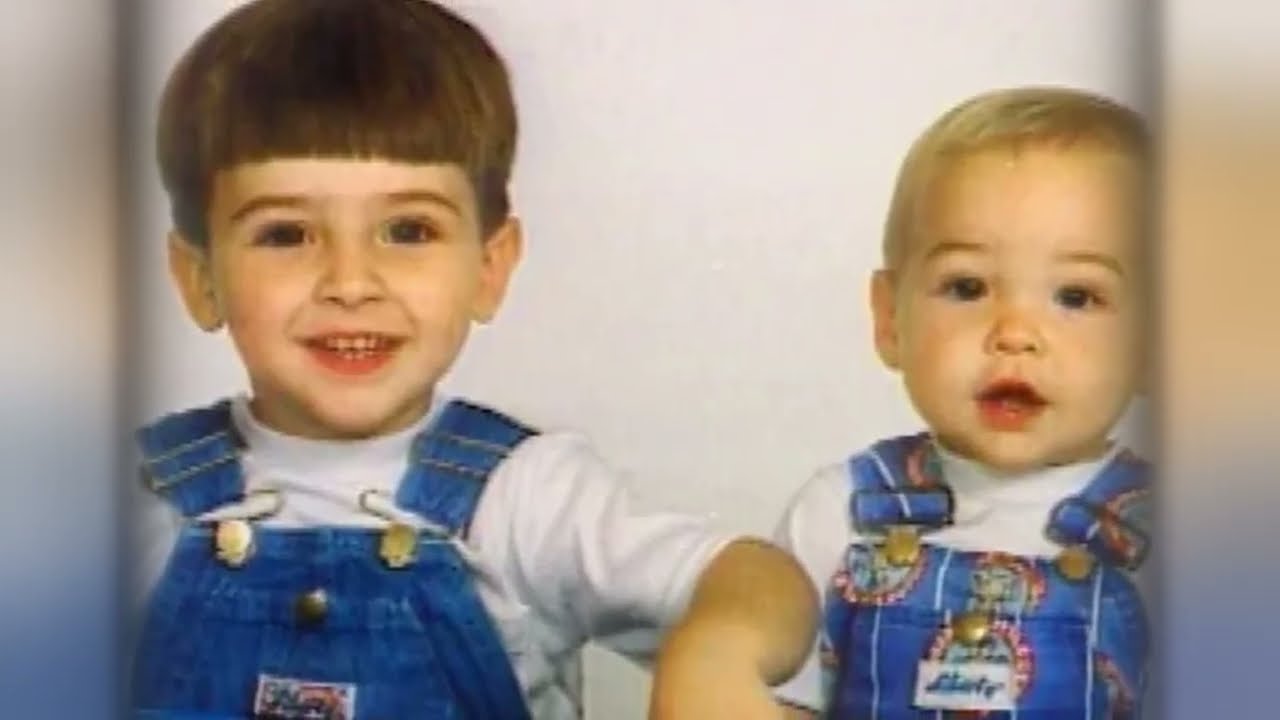
He asked the board not to grant parole, stating that 30 years amounted to only 15 years per child, which he called not enough.
The board also heard from prosecutors and law enforcement officials who worked on the case. Kevin Brackett, a member of the original prosecution team, told reporters after the hearing that Smith’s reaction to the denial was telling. According to an eyewitness, Smith was angry, crying, waving her hands, and very agitated, appearing to throw a tantrum.
Brackett said this behavior was consistent with the woman he encountered in 1994, describing her as a sociopath who has never cared about anyone but herself. He noted that Smith did not apologize to David during the hearing, a omission he found significant.
The denial means Smith will remain incarcerated at the Leath Correctional Institution in Greenwood, South Carolina, where she has been held for most of her sentence. But the decision is not permanent. Under South Carolina law, inmates denied parole are eligible to reapply after a set period, typically two years.
Smith’s next hearing is expected in November 2026, when she will again have the opportunity to argue that she has been rehabilitated and deserves release. The board will again weigh her version of herself as an older, remorseful woman against the brutal reality of what she did to her children.
The case continues to provoke intense public reaction. For many, the six minutes the car remained above water remain the most haunting detail of the crime. It was time enough for Smith to change her mind, to scream for help, to dive into the lake, to do anything.
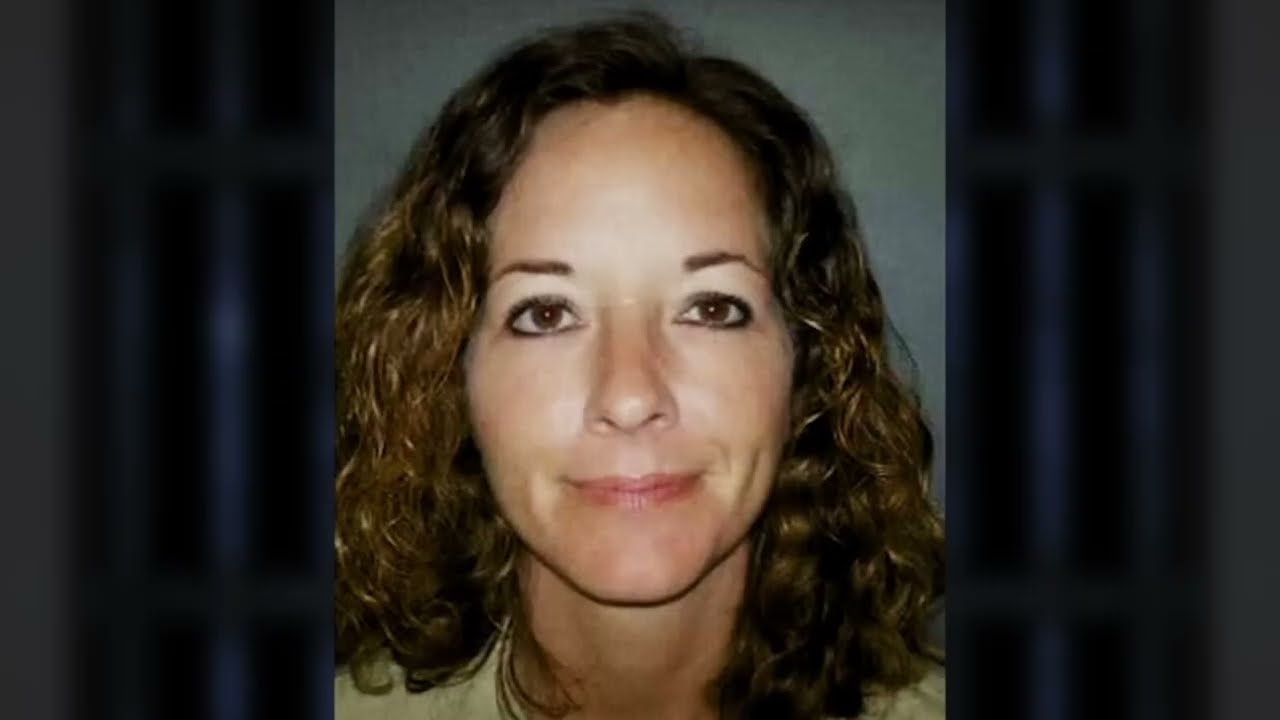
She did nothing. The question now is whether 32 years can outweigh those six minutes. David Smith has vowed to appear at every future hearing to oppose her release.
He told reporters that he will be there every two years going forward to ensure that Michael and Alex’s deaths do not go in vain.
The legal landscape surrounding parole has shifted since Smith’s conviction. In 1996, South Carolina changed its sentencing laws to require that life sentences mean life without the possibility of parole. But the change did not apply to inmates sentenced before that date, leaving a small number of individuals like Smith eligible for periodic parole reviews.
Advocates for victims’ rights have called for closing this loophole, arguing that it allows convicted murderers to seek freedom decades after their crimes. Opponents of such changes contend that parole boards are equipped to evaluate rehabilitation and that blanket policies can be unjust.
Smith’s case has also drawn attention to the role of mental health and trauma in criminal behavior. Her defense at trial highlighted her history of depression, suicide attempts, and alleged sexual 𝓪𝓫𝓾𝓼𝓮 by her stepfather, Beverly Russell, who died in 2018 without facing charges. Some commentators have questioned why Russell was allowed to remain in the family home after the 𝓪𝓫𝓾𝓼𝓮 was discovered, though they stop short of excusing Smith’s actions.
The debate over whether Smith is a victim of her circumstances or a cold-blooded killer remains unresolved, and the parole board’s decision in 2026 will likely reignite it.
For now, Susan Smith remains in prison, her next chance at freedom two years away. The boys she killed have been dead for more than three decades. Their father carries the grief every day.
The lake where they died still exists, a quiet body of water in rural South Carolina that holds a memory no amount of time can wash away. The parole board will have to decide whether the woman who put them there has truly changed, or whether some choices are simply unforgivable.