At approximately 6:14 p. m. on October 17, 2024, Derrick Ryan Dearman was pronounced dead by lethal injection at the William C.
Holman Correctional Facility in Atmore, Alabama, ending a legal journey that he himself demanded be cut short. The 36-year-old convicted mass murderer did not struggle, did not plead for mercy, and did not fight the execution. In fact, he was the one who asked the state to 𝓀𝒾𝓁𝓁 him.
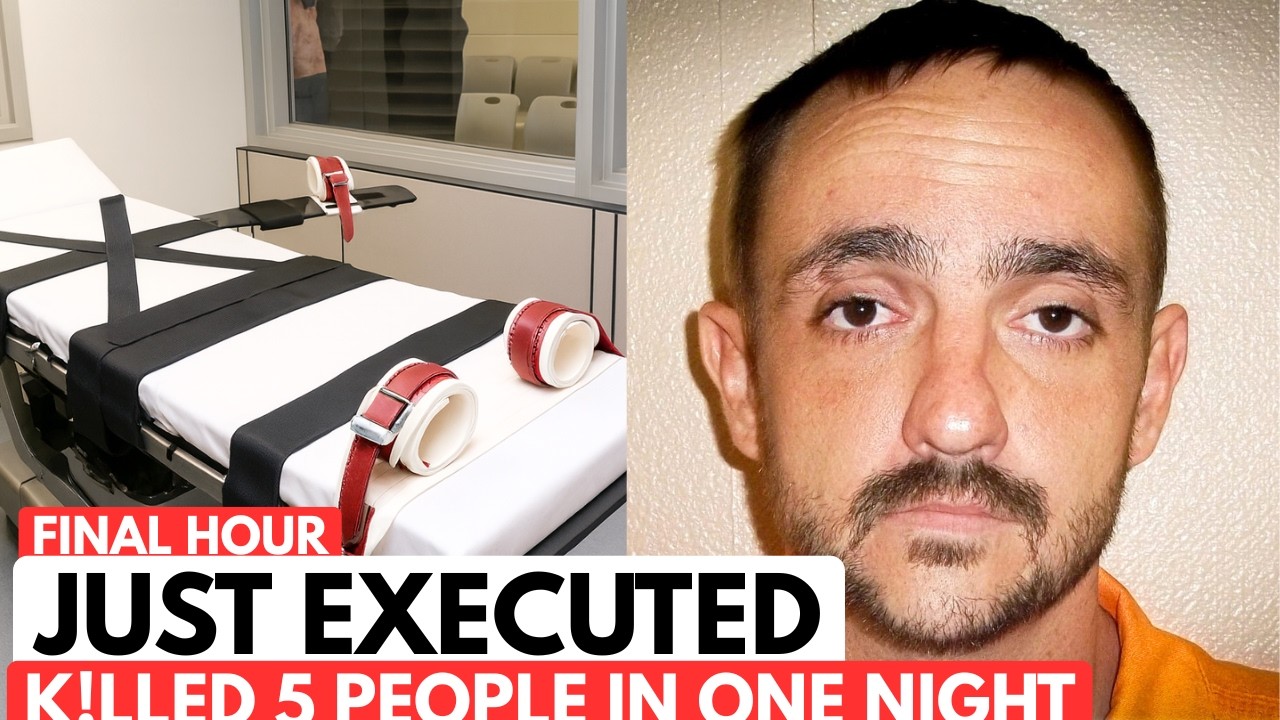
Dearman’s final words, delivered from the gurney with his head turned toward the section where victim family members sat, were simple and direct: “To the victim’s family, forgive me. This is not for me. This is for you.
I’ve taken so much.” He then addressed his own family, saying, “To my family, you’ll already know. I love you.”
His father’s voice broke across the chamber with cries of “Derrick, no” and “Derrick, don’t go” as the drugs began to flow.
The execution marked the culmination of a case that has haunted Mobile County, Alabama, since August 20, 2016. On that night, Dearman, high on methamphetamine and sleep-deprived for six straight days, broke into a rural home in Citronelle and methodically murdered five people with an axe and a firearm. The victims were Joseph Adam Turner, 26; his wife Shannon Melissa Randall, 35; her brother Robert Lee Brown, 26; and married couple Justin Caleb Reed, 23, and Chelsea Marie Reed, 22, who was five months pregnant.
Their unborn child was also recognized as a victim under Alabama’s fetal homicide law.
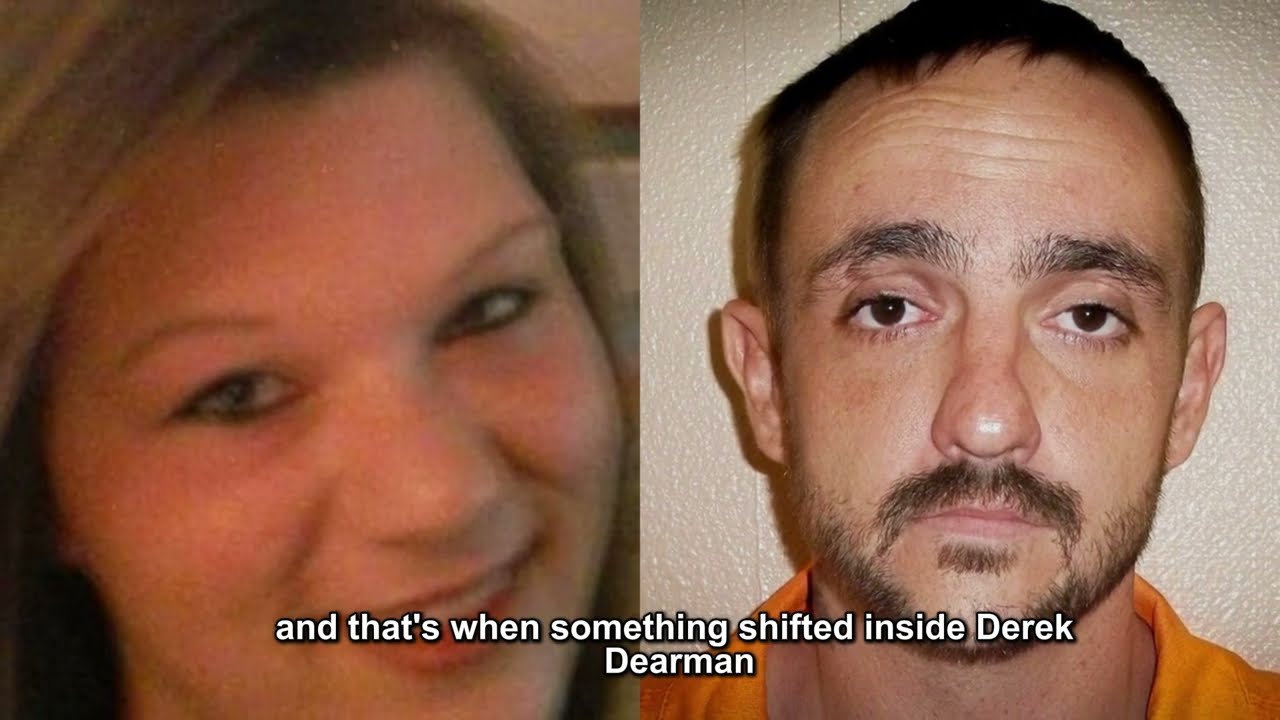
Dearman had been pursuing his girlfriend, Lanita Lester, who had fled to her brother’s home for safety. He ignored warnings, returned multiple times, and after police left following a shift change, he entered through sliding glass doors, carrying an axe from the yard. He struck each victim in the head, then shot them to ensure death.
He spared Lester and a three-month-old infant left lying beside his murdered mother. He then forced Lester and the baby into a car, drove to Mississippi, and later released them after a ransom was paid.
From the moment of his arrest, Dearman admitted his guilt and expressed a desire for swift punishment. Despite repeated expert warnings about a lifetime of severe mental illness, suicidal ideation, and 𝒹𝓇𝓊𝑔 𝓪𝓫𝓾𝓼𝓮, he fired his attorneys, pleaded guilty, and asked the jury to sentence him to death. The jury unanimously recommended death, and a judge imposed the sentence in 2018.
Dearman then dropped all appeals in April 2024, writing to Governor Kay Ivey and other officials that he wanted the victims’ families to have “closure.”
The Alabama Supreme Court approved the death warrant on September 3, 2024. In his final days, Dearman ordered a last meal of seafood platter, no fanfare. He chose not to have his spiritual advisor, Reverend Dr.
Jeff Hood, inside the execution chamber, preferring to face it alone. Hood later said Dearman believed volunteering for execution was “the most meaningful way he could prove he was sorry.”
Execution protocols proceeded smoothly. At 5:58 p. m.
, the state attorney general cleared the process. A consciousness check at 6:01 p.m, showed only involuntary muscle movement. The curtains to the viewing room closed, and Dearman’s father sobbed as his son was pronounced dead.
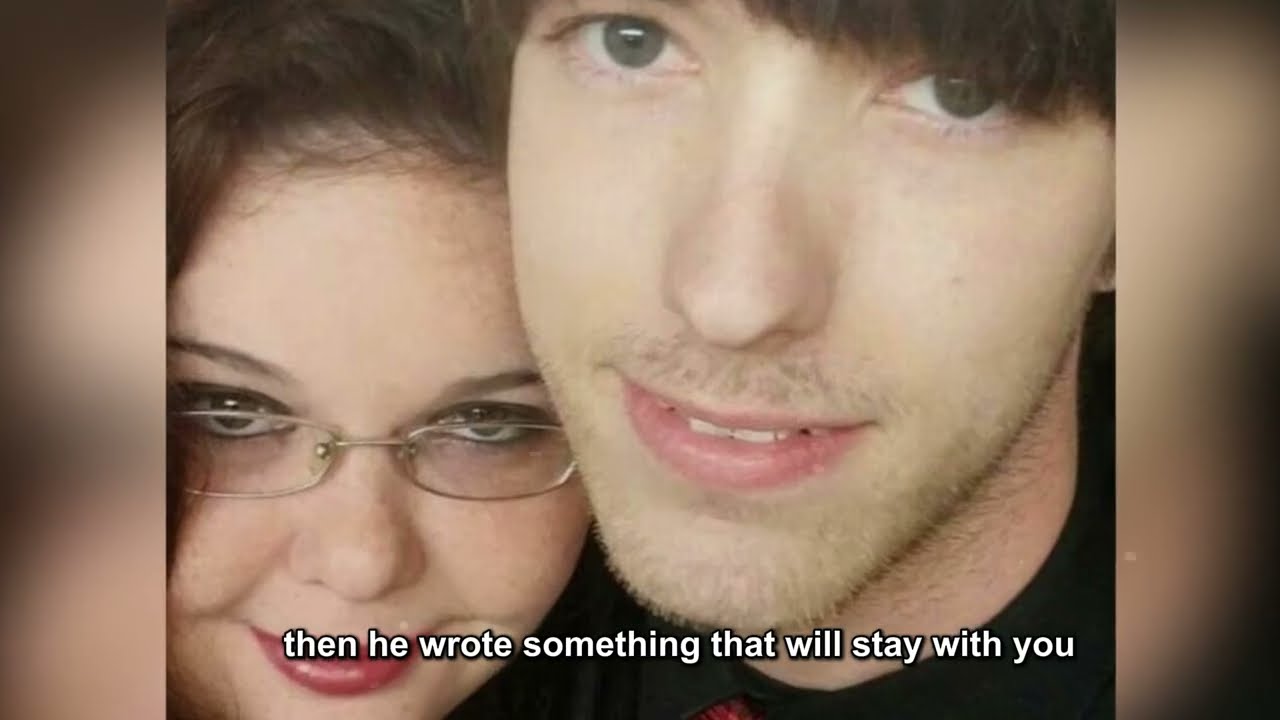
Afterward, families of the victims spoke. Bryant Henry Randall, father of Chelsea Reed and brother of two other victims, wrote a statement read by prison officials: “Today, goodbye will be easy for me because we have all heard the horrific things that Derrick Dearman did… I so long for a final goodbye to my daughter, and I would have loved to meet my grandchild, the one who never got a name.”
Robert Brown, father of Robert Lee Brown, said simply, “This don’t bring nothing back. I can’t get my son back or any of them back.”
Governor Kay Ivey issued a statement calling the execution “justice served” for the six lives lost. Attorney General Steve Marshall said the sentence provided “finality” for the families. The Equal Justice Initiative, however, mourned differently, arguing that no Alabama court had properly evaluated Dearman’s mental competence in his decision to drop appeals, calling his death a failure of the system to address severe mental illness.
Dearman’s recorded final audio message, released before his death, included the words: “It was like someone else had the steering wheel.” The house where the murders occurred burned down shortly after the killings, leaving no physical trace of the carnage.
Derrick Dearman was 36. His victims ranged from 22 to 35, and an unborn child never drew breath. The execution was Alabama’s fifth of 2024, and it ended a case that raises uncomfortable questions about justice, remorse, and the role of mental illness in capital punishment.