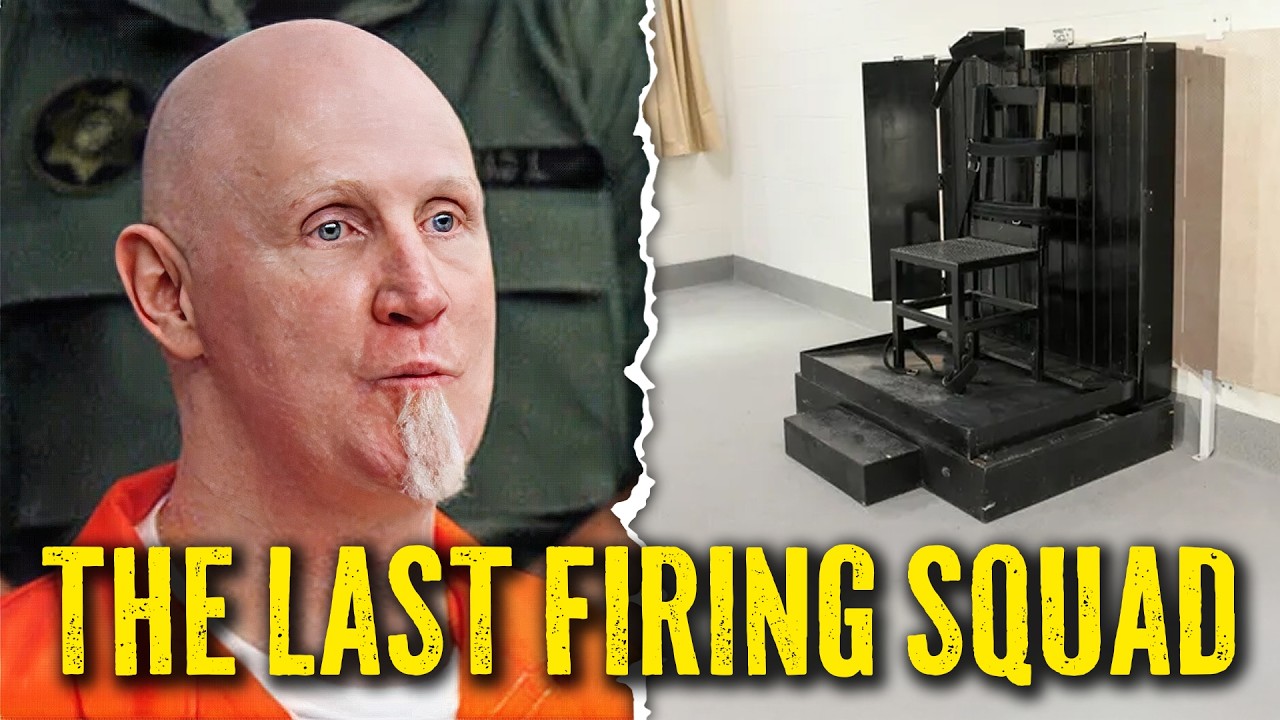
In the final hours of his life, Ronnie Lee Gardner found himself in a stark 10×6 ft death watch cell, just steps away from the execution chamber. As guards monitored his every move, he drifted into a restless sleep, reflecting on a life filled with turmoil and regret.
Just before settling in, Gardner experienced an emotional farewell with his family—a moment that marked a significant departure from his 25 years behind bars. Accompanied by his longtime Mormon bishop, he walked calmly to meet his loved ones, a surprising display of peace given the gravity of the situation. His brother Randy noted that this was the first time Gardner had been allowed to physically connect with anyone since his incarceration.
His daughter, Brandy, held his hand, gently touched his face, and shared a heartfelt goodbye. “We both cried,” she recalled. “He told me he was sorry, and he was at peace.” As his son Daniel and granddaughter Darien, who had never known a world without her grandfather on death row, embraced him, Gardner’s focus remained on their well-being rather than his impending fate.
The morning of his execution began with Gardner awake but hardly rested. He had not slept well, instead opting for brief moments of dozing. His last meal, consumed two days prior, included steak, lobster tail, and apple pie, but he chose to skip breakfast, engaging in a spiritual fast. Instead, he occupied his time with a paperback thriller, “Divine Justice” by David Baldacci.
At 1:00 PM, the 10th US Circuit Court of Appeals delivered a final blow, denying Gardner’s claim for an unfair clemency hearing. While he had come to terms with his fate, his legal team continued to fight for him, but the judges found no merit in their arguments. After 25 years of legal battles, the courts had made their decision, and the crimes he committed spoke volumes.

Born in 1961 in Salt Lake City, Gardner’s life was marked by violence from a young age. He entered Utah State Prison at 19 for robbery and quickly made headlines with a daring escape. His criminal journey spiraled further out of control, culminating in a deadly tavern robbery that claimed the life of Melvin Otterstrom in 1985. Gardner’s courtroom chaos, where he brandished a smuggled gun, led to his eventual capture and a death sentence.
Despite numerous appeals and legal maneuvers, Gardner’s time was running out. On April 23, 2010, his death warrant was signed. Even after the 10th Circuit’s ruling, his lawyers sought clemency from the governor, but Utah Governor Gary Herbert denied their request, stating that Gardner had exhausted all avenues for appeal.
As the execution date approached, the prison went into lockdown, with all movements restricted. Gardner, who had chosen the firing squad over lethal injection, held firm to his beliefs about justice. “My victims got killed by a bullet. Why shouldn’t I get killed by a bullet?” he reportedly said, reflecting the weight of his upbringing in the Mormon faith.

On the day of his execution, Gardner remained quiet and composed, spending his time reading and sipping on soft drinks. He even requested to watch “The Lord of the Rings” trilogy, a curious choice for a man facing his end. As the hours ticked away, he engaged in a final prayer with his bishop, finding solace in their shared faith.
As darkness fell, Gardner’s attorneys delivered the heart-wrenching news that their last appeal had failed. He simply shrugged, accepting the reality of his situation without protest. By 9:30 PM, he had said his goodbyes, sipping on a final Mountain Dew as witnesses began to gather for the execution.
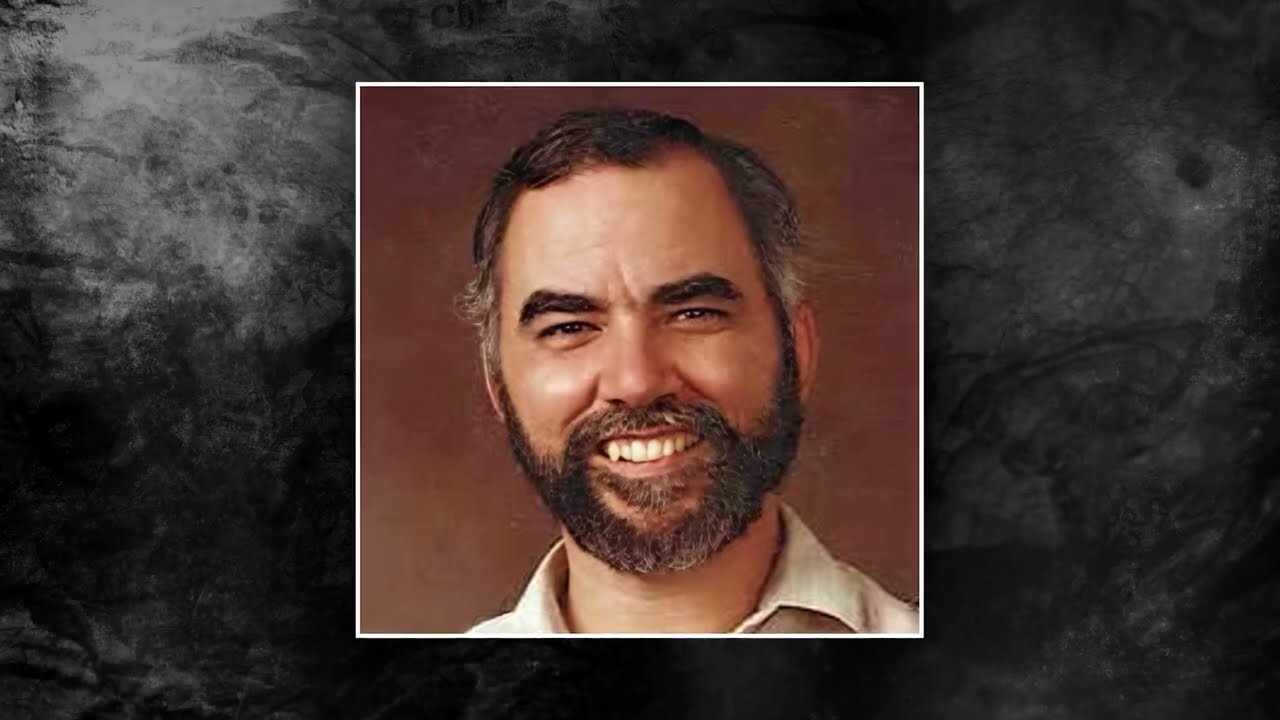
Among those present were family members of Gardner’s victims, including Valdian Kirk, who had lost her husband, a bailiff shot during Gardner’s infamous courthouse escape. While some sought closure, others, like the family of attorney Michael Berdell, expressed their opposition to the death penalty, advocating instead for forgiveness.
As the clock struck midnight, Gardner was led to the execution chamber, where he was strapped into a metal chair. When asked if he had any last words, he simply replied, “I do not.”
With a black hood placed over his head and a target pinned to his chest, the executioners took their positions. As the countdown began, the sound of gunfire echoed through the chamber, marking the end of Gardner’s tumultuous life.
At 12:17 AM, he was pronounced dead at the age of 49. Outside the prison walls, his family mourned quietly, some believing he had finally found peace.
In a world divided by views on justice and forgiveness, the question remains: what do we truly believe about redemption and retribution?