Matthew Lee Johnson was executed by lethal injection at Huntsville State Penitentiary on May 20th, 2025, exactly 13 years after his brutal crime in Garland, Texas. His final words pleaded for forgiveness, capping a long, harrowing chapter of violence, legal battles, and irreversible loss. Justice was served, but questions linger.
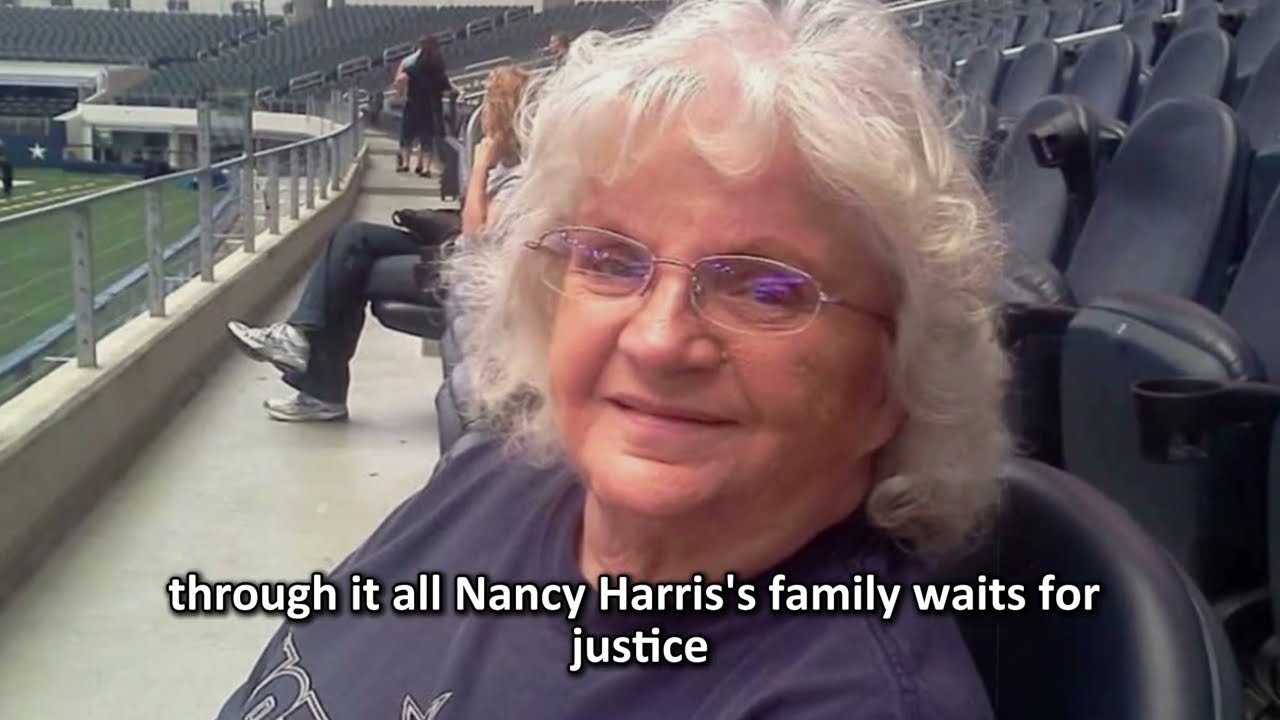
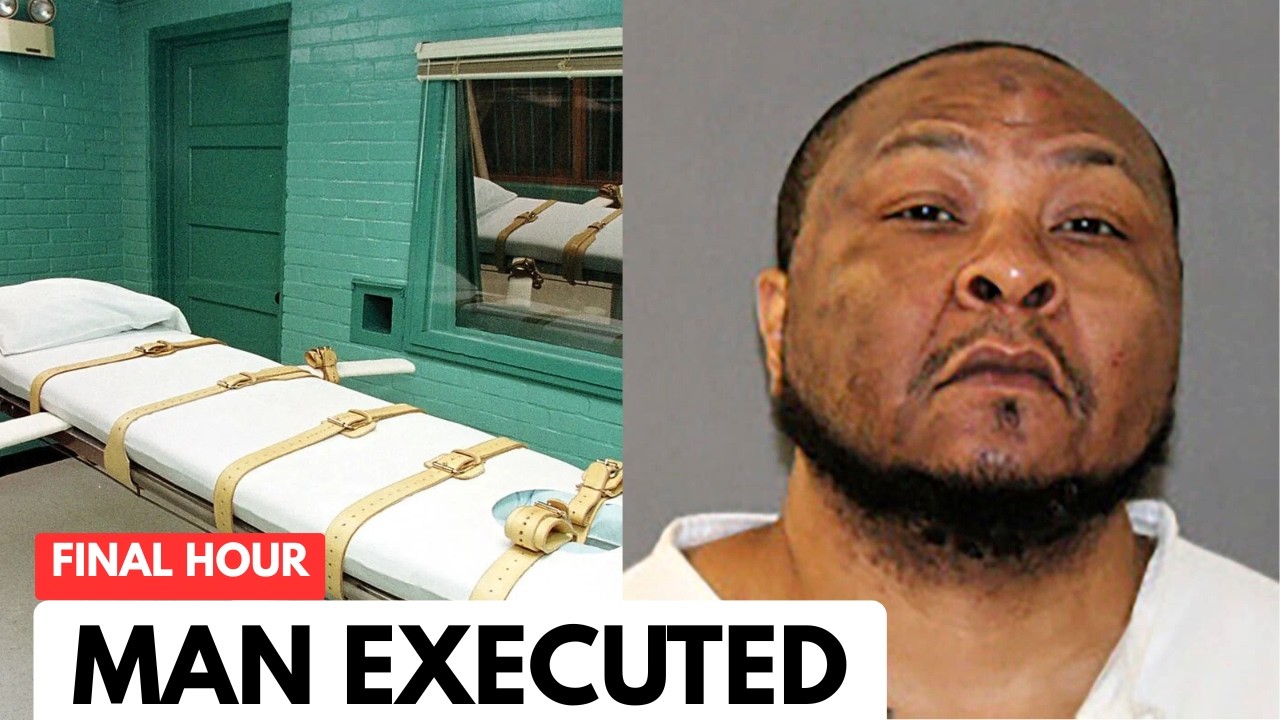 The horrific crime that led to Johnson’s death sentence unfolded on a quiet Sunday morning in 2012. Nancy Harris, a 76-year-old great-grandmother and beloved store clerk in Garland, was violently attacked during her shift. Johnson entered the convenience store carrying a water bottle filled with lighter fluid and a cigarette lighter—tools that would become instruments of unimaginable cruelty.
Without warning, Johnson doused Nancy Harris in lighter fluid. Terrified and shaking, she complied with his demands, opening the cash register. But the senseless violence escalated beyond robbery. Johnson stripped Nancy of her rings and cigarette packs, then ignited the lighter fluid, setting her ablaze in a horrifying act of brutality.
In a chilling display of callousness, Johnson calmly grabbed candy bars on his way out, as Nancy screamed, engulfed in flames. A nearby police officer quickly intervened with a fire extinguisher, saving her life for the moment. But the burns were catastrophic—second to fourth degree—and Nancy’s fight for survival ended five agonizing days later.
Authorities quickly identified Matthew Lee Johnson, thanks to store surveillance footage and Nancy’s courageous description before she lost consciousness. Found shirtless, carrying stolen goods nearby, Johnson’s capture was swift and decisive. The overwhelming evidence sealed his fate in the weeks that followed.
 At his 2013 trial in Dallas County, Johnson did not deny responsibility. He confessed to the attack, expressing remorse but claiming his intent was never to 𝓀𝒾𝓁𝓁—only to scare. His defense cited addiction and trauma, noting he was under the influence of crack cocaine and alcohol during the crime. The jury was unyielding.
Convicted of capital murder, Johnson faced a separate sentencing phase for life or death. Despite testimonies from family and employers vouching for his character when sober, the jury sentenced him to death, citing the severity and gratuitous nature of his crime and the danger posed to society.
The wheels of justice turned slowly. Johnson awaited execution on Texas’s death row at the Polunsky Unit for 13 years, during which his attorneys fought through appeals and petitions. His time behind bars was marked by transformation: faith-based rehabilitation, remorse letters, and peaceful conduct. Yet, none of it swayed the courts.
By 2024, the U.S. Supreme Court declined to hear Johnson’s case. A last clemency petition filed in April 2025 argued his reformed character and request for mercy, but the Texas Board of Pardons and Paroles unanimously denied it just days before his execution. His final legal attempts were swiftly dismissed.
On May 20th, 2025, the somber date coinciding with the anniversary of Nancy Harris’s death, Johnson spent his last hours in reflection, visited by family and spiritual advisers. There was no special last meal, only the standard prison fare—possibly untouched as the weight of impending death bore down on him.
At exactly 6:00 p.m. CDT, Johnson was escorted to the execution chamber in Huntsville. Behind the glass, Nancy Harris’s family, including three sons, daughters-in-law, and a granddaughter, bore witness silently to the closing act of a devastating saga. The atmosphere was grim, the air thick with decades of pain and loss.
Before the lethal drugs flowed, Johnson delivered his final words. He sought forgiveness from Nancy’s family, acknowledging the horror of his actions and expressing hope to reunite with Nancy in the afterlife. He apologized to his own wife and daughters, thanked his spiritual advisers, and urged fellow inmates to find faith and redemption.
 The execution proceeded with the administration of pentobarbital. Johnson experienced involuntary reactions and then a quiet snore before his body ceased to function. At 6:53 p.m., he was declared dead, ending a chapter marked by tragedy, remorse, and relentless legal struggle.
Outside the prison, responses were divided. Some protesters condemned the death penalty, while others supported the sentence as justice for a cruel murder. Texas Attorney General Ken Paxton issued a brief statement affirming that Johnson’s execution was just punishment and assured the public that he would never harm anyone again.
Matthew Lee Johnson’s execution was Texas’s fourth of 2025, signaling the continuation of the state’s active death penalty system. For Nancy Harris’s family, the ordeal leaves scars that remain raw, with no true healing. “You don’t heal,” one family member said; “Days get easier, but there’s no day where it’s totally healed.”
This tragic story underscores the darkest intersections of addiction, violence, and the consequences of choice. Whether one views the death penalty as justice or perpetuation of suffering, it is clear that two families—one destroyed by loss, the other by consequence—are forever changed.
As Texas closes this grim chapter, society continues to grapple with the moral complexities surrounding capital punishment. Matthew Lee Johnson’s life ended according to the law, but the echoes of his actions and their impact on Nancy Harris’s family will resonate long beyond the walls of Huntsville Prison.