Samuel Lee Smithers, Florida’s oldest death row inmate, was executed by lethal injection on October 14th, 2025, ending a chilling saga that shocked Tampa Bay. Known as the “Deacon of Death,” Smithers spent 26 years awaiting justice for the brutal murders of two women in 1996, finally paying the ultimate price.
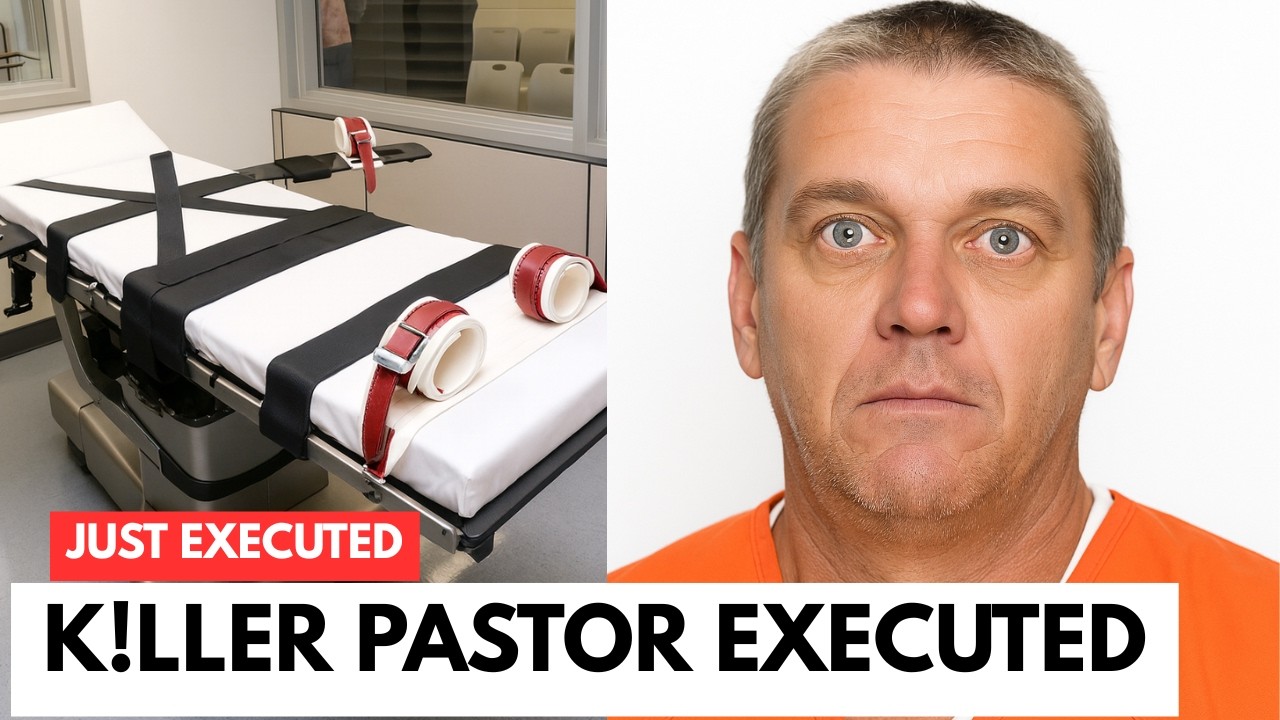 At 72 years old, Smithers became the oldest person executed in Florida since the death penalty’s reinstatement in 1976. His execution marked Florida’s 14th of 2025, surpassing Texas and making the state the nation’s leading executor for the year.
Known once as a devout Baptist deacon and handyman in Plant City, Smithers harbored a sinister double life. Behind this façade, he brutally murdered two women—Denise Elaine Roach and Christy Cowan—both 𝒔𝒆𝒙 workers, in a horrifying rampage that shocked the community.
On May 12th, 1996, Denise Roach, a 24-year-old Jamaican mother of two, met a tragic end at Smithers’ hands. Lured to a secluded rural property where Smithers worked, she was savagely attacked and strangled before being discarded in a shallow pond.
Just 16 days later, Smithers repeated his deadly pattern. Christy Cowan, 31, was similarly lured, beaten, strangled, and dumped in the same pond. Medical examiners revealed extreme violence, including fractures, bruises shaped by hands, and drowning—unthinkable acts for a man revered in church.
The grisly discovery unfolded when the property’s owner arrived on May 28th, 1996, to find Smithers cleaning a bloodied axe. Suspicious, she alerted law enforcement, leading deputies to uncover the bodies—one freshly deceased, the other decomposed beneath murky water.
 Forensic evidence quickly mounted against Smithers. Blood on the axe, drag marks, fingerprints, shoe prints, and surveillance footage placed him at the scene. Initially denying the crimes, Smithers confessed after a polygraph test 𝓮𝔁𝓹𝓸𝓼𝓮𝓭 his deception.
Smithers’ explanations fluctuated, from accidental killings to victim threats, but these narratives crumbled under the weight of evidence. His cold return to 𝓀𝒾𝓁𝓁 twice in the same brutal manner revealed chilling premeditation, shattering the image of a man of God.
During his 1998 trial in Tampa, the jury was horrified yet resolute. Smithers’ claim that a mysterious stranger was responsible was dismissed. The pattern of violence and forensic proof led to a unanimous guilty verdict by June 1999 on two counts of first-degree murder.
The sentencing phase underscored the heinousness of the crimes. Prosecutors emphasized the calculated nature of two separate murders, while defense attorneys cited Smithers’ troubled past—including childhood brain injuries and early church arson—and diminished intellect.
In a stunning courtroom moment, Christy Cowan’s father pleaded for mercy, rejecting the death penalty despite unimaginable grief. He argued that executing Smithers would dishonor his daughter’s memory and that hope remained for the killer’s redemption while alive.

Despite this plea, the jury recommended death by a 12-0 vote, and the judge imposed the sentence. Smithers began his sentence on Florida’s death row at age 46, entering a decades-long legal limbo marked by appeals that consistently upheld his conviction and death sentence.
Over 26 years, Smithers’ attorneys sought clemency citing his age, deteriorating health, cognitive decline, and alleged ineffective counsel, but courts repeatedly rejected these claims. The Florida Supreme Court affirmed the crimes’ brutal premeditation as justification for the ultimate penalty.
In 2014, Smithers emerged as a suspect in a 1989 cold case involving Marcel Delano, another 𝒔𝒆𝒙 worker killed near the same sites. Though never charged, investigators suspect Smithers may have been a serial killer, deepening the dark legacy of his actions in Tampa Bay.
The final chapter began when Governor Ron DeSantis signed Smithers’ death warrant on September 13th, 2025. His execution date was set for October 14th, igniting last-minute legal battles that failed to delay the inevitable. Smithers stood as a frail, elderly inmate facing final justice.
 On execution day, Smithers’ last meal reflected Southern roots: fried chicken, fried fish, baked potato, apple pie with vanilla ice cream, and sweet iced tea. He calmly declined to make a final statement when asked, uttering only two words: “No, sir.”
Outside Florida State Prison, emotions ran high among protesters and supporters alike. About 30 demonstrators from Our Lady of Lured Catholic Church held a vigil, striking a metal gong to send prayers for Smithers’ soul, while a lone supporter wielded a sign listing execution names.
At 6:00 p.m., the execution proceeded with a three-𝒹𝓇𝓊𝑔 lethal injection. Monitored closely, Smithers showed no apparent distress, succumbing quietly at 6:15 p.m. This marked a grim milestone in Florida’s history and closed a case emblematic of hidden evil lurking beneath a cloak of faith.
The aftermath was marked by somber reflection rather than celebration. Christy Cowan’s father was absent, choosing to mourn privately at his daughter’s gravesite, consistent with his public plea to avoid further violence in her name. The pain of loss persists despite the legal closure.
This case 𝓮𝔁𝓹𝓸𝓼𝓮𝓭 harrowing paradoxes: a church leader turned cold-blooded killer, a trusted figure whose darkness remained hidden for years. Florida communities grapple with uncomfortable questions about the nature of evil and the complexities of justice, forgiveness, and redemption.
Samuel Lee Smithers’ final hours embodied this tragic contradiction—a man who once preached salvation, ending his life as a convicted murderer. His death concludes one of Florida’s darkest crime stories but leaves an echoing legacy that will linger in the hearts of victims’ families and the public alike.