In a haunting final chapter, Ted Bundy faced the culmination of his dark legacy on January 24, 1989. As the sun rose, the notorious figure, linked to the brutal deaths of at least 36 women, prepared for his execution at Florida State Prison, where the atmosphere felt almost surreal.
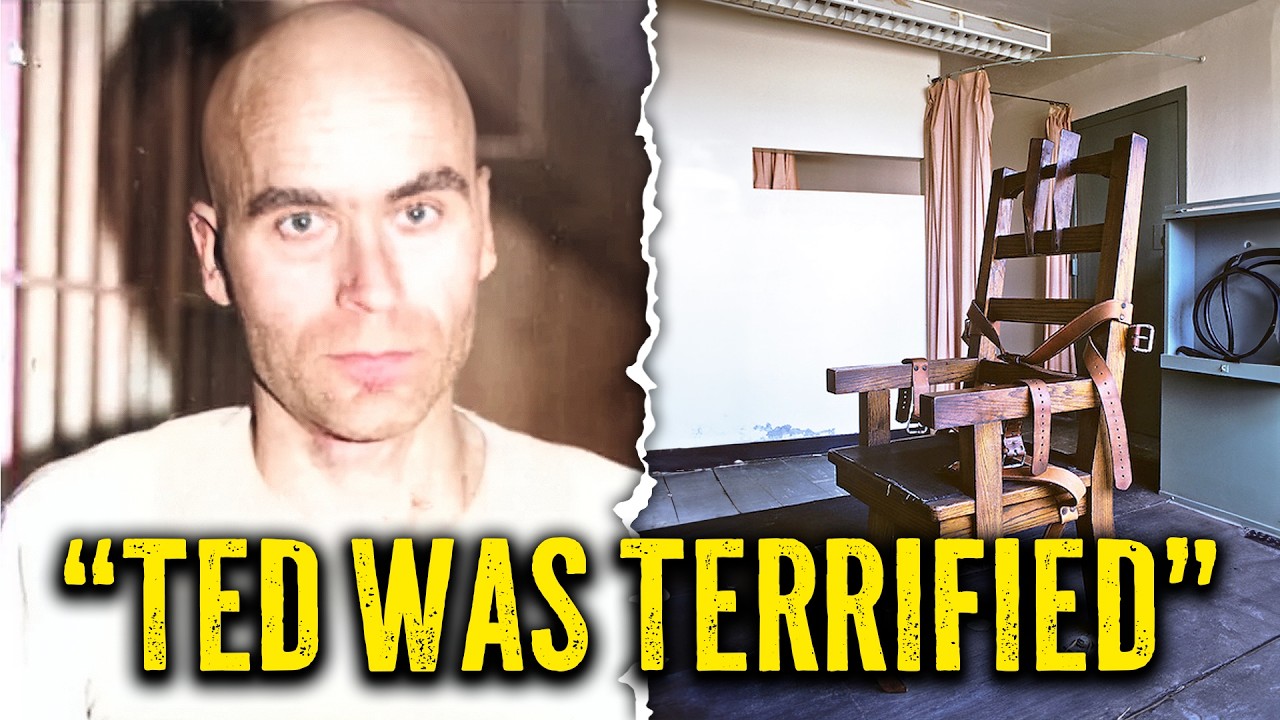
Bundy awoke in his cold, windowless cell, fully aware that this day would mark a significant turning point in his life. The routine of his morning, including a cup of coffee that felt more like a bitter reminder of his fate, was overshadowed by an impending sense of doom. As the clock ticked towards his execution, the tension in the air was palpable.
By 8:00 a.m., Bundy’s legal team was frantically submitting last-minute appeals, arguing that he was not mentally fit to face execution. Once a master of manipulation in the courtroom, he now found himself powerless as each plea was swiftly denied. The walls of his cell felt increasingly suffocating as the reality of his situation set in.
Around noon, the Supreme Court rejected his final request, leaving Bundy with mere hours to reflect on his life and the horrors he had inflicted. In a poignant moment, he received a visit from his mother, Louise Bundy, who had long held onto the belief in her son’s innocence. Their meeting was brief and heavy with unspoken emotions, both aware that this would be their last goodbye.

Later that day, Bundy met with his spiritual advisor, Fred Lawrence. Religion had become a focal point for him in his final days, raising questions about whether he sought genuine redemption or was merely continuing his pattern of manipulation.
At 5:00 p.m., Bundy granted an interview with prominent Evangelical leader James Dobson, using the opportunity to share his narrative. He attributed his violent behavior to an addiction to pornography, expressing remorse that many found difficult to believe. Even in his final moments, Bundy’s words were scrutinized, leaving his true intentions shrouded in doubt.
As evening approached, Bundy was served a standard last meal—steak, eggs, toast, milk, and juice—but he barely touched it. Anxiety and fear seemed to overshadow any appetite he might have had. Outside the prison, a crowd gathered, some to protest, but many to celebrate what they viewed as a long-awaited moment of justice.

By 1:00 a.m., sleep eluded Bundy. The sounds of the prison and the distant murmurs of the crowd served as a grim reminder of the reality he faced. As the night wore on, he grappled with the weight of his impending execution, fully aware that time was slipping away.
When dawn broke on January 24, Bundy was awakened and prepared for his final moments. He dressed in clean clothes, and the gravity of the situation was evident. Although he was offered a sedative to calm his nerves, he declined, perhaps choosing to confront his fate with clarity.

At approximately 6:30 a.m., Bundy was escorted to the execution chamber, flanked by guards. Witnesses later described his fear as palpable, a stark contrast to the bravado he once displayed. Strapped into the electric chair, known as “Old Sparky,” he was asked for any last words. Bundy simply requested that his love be conveyed to his family and friends.
As the executioner pulled the switch, 2,000 volts surged through Bundy’s body. Witnesses reported his body tensing in response, but the end came swiftly. At 7:16 a.m., he was pronounced dead, marking a significant moment in American history. Outside, the crowd erupted in celebration, fireworks illuminating the sky as cheers echoed in relief that the nightmare was finally over.
In the days that followed, Bundy’s body was cremated, but the fate of his ashes remains uncertain. Some reports suggest they may have been scattered in the Cascade Mountains, a site tied to his crimes, though this remains unverified. His death closed a chapter filled with horror and intrigue, leaving many to ponder the complexities of his life and legacy.
As the debate continues over whether to feel compassion for Bundy in his final moments or to view his death as a just consequence of his actions, one question lingers: How do we reconcile the humanity in someone who committed such heinous acts?