Rapper Daniel Hernandez, known professionally as 6ix9ine, has reignited a long-standing debate within the hip-hop community by publicly naming several prominent artists he claims have cooperated with law enforcement without facing the same level of public condemnation he received. Hernandez, a former member of the Nine Trey Gangster Bloods, was arrested on November 18, 2018, on federal charges including racketeering and firearms offenses. He began cooperating with the government one day after his arrest, eventually testifying in court in September 2019 against members of the gang.
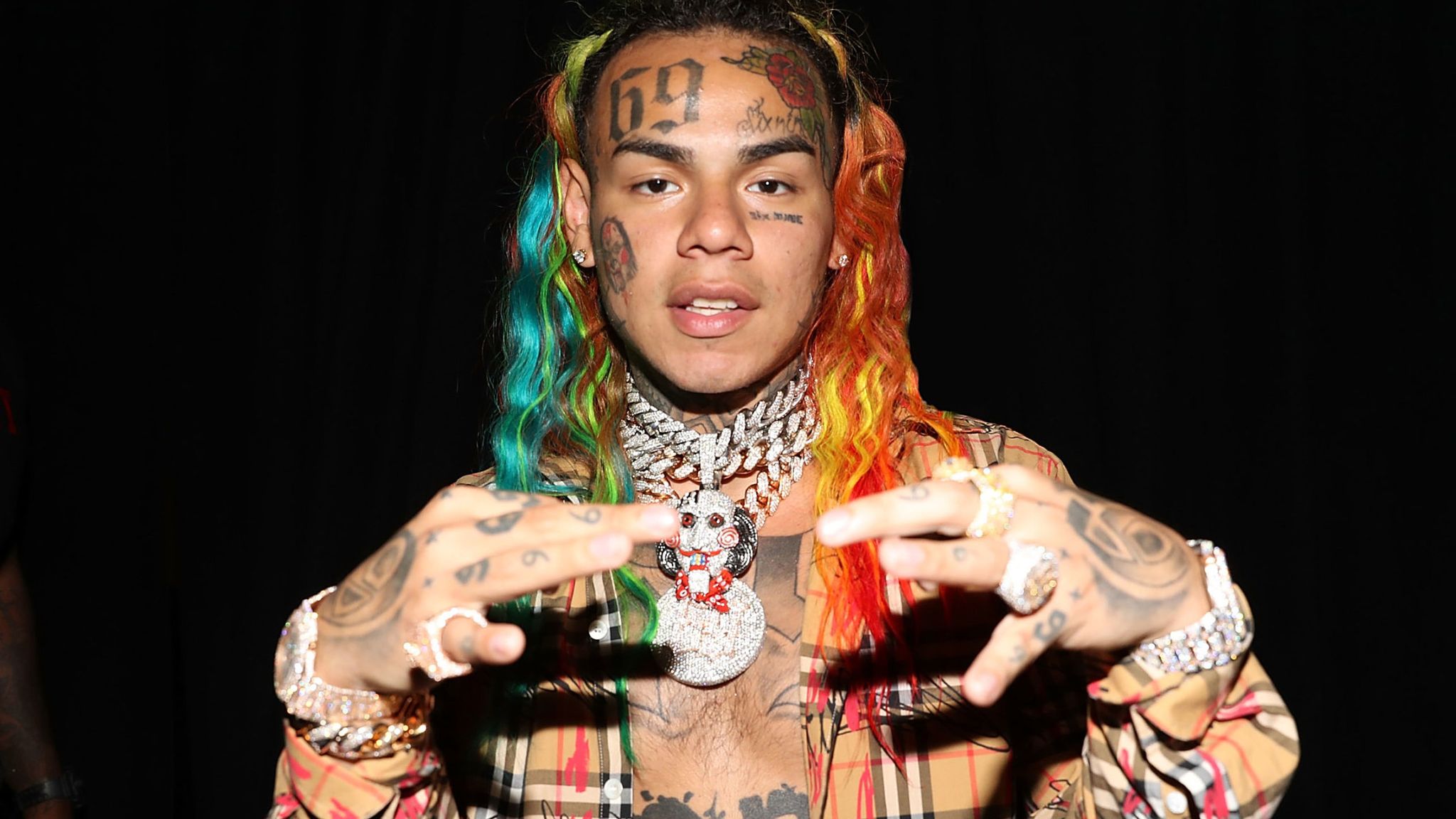
During his three days of testimony, Hernandez identified Jim Jones as a member of Nine Trey and referenced Cardi B’s past affiliation with the Bloods, but he did not accuse any of those rappers of snitching. His cooperation contributed to convictions or plea deals for approximately 11 to 12 gang members, including his former manager, Kifano “Shotti” Jordan, who received a 15-year sentence. In December 2019, Hernandez was sentenced to two years with credit for time served, with the judge describing his cooperation as extraordinary.

Since his release, Hernandez has used podcast appearances, Instagram Live sessions, and YouTube interviews to argue that the “no snitching” code is applied selectively within the industry. He has pointed to Gucci Mane, Snoop Dogg, 50 Cent, and TI as artists who, in his view, have cooperated with law enforcement in their own cases without being permanently branded as snitches. His most pointed accusation has been directed at rapper Gunna, whose Alford plea in the YSL RICO case in Atlanta involved a written statement acknowledging that YSL was a gang.
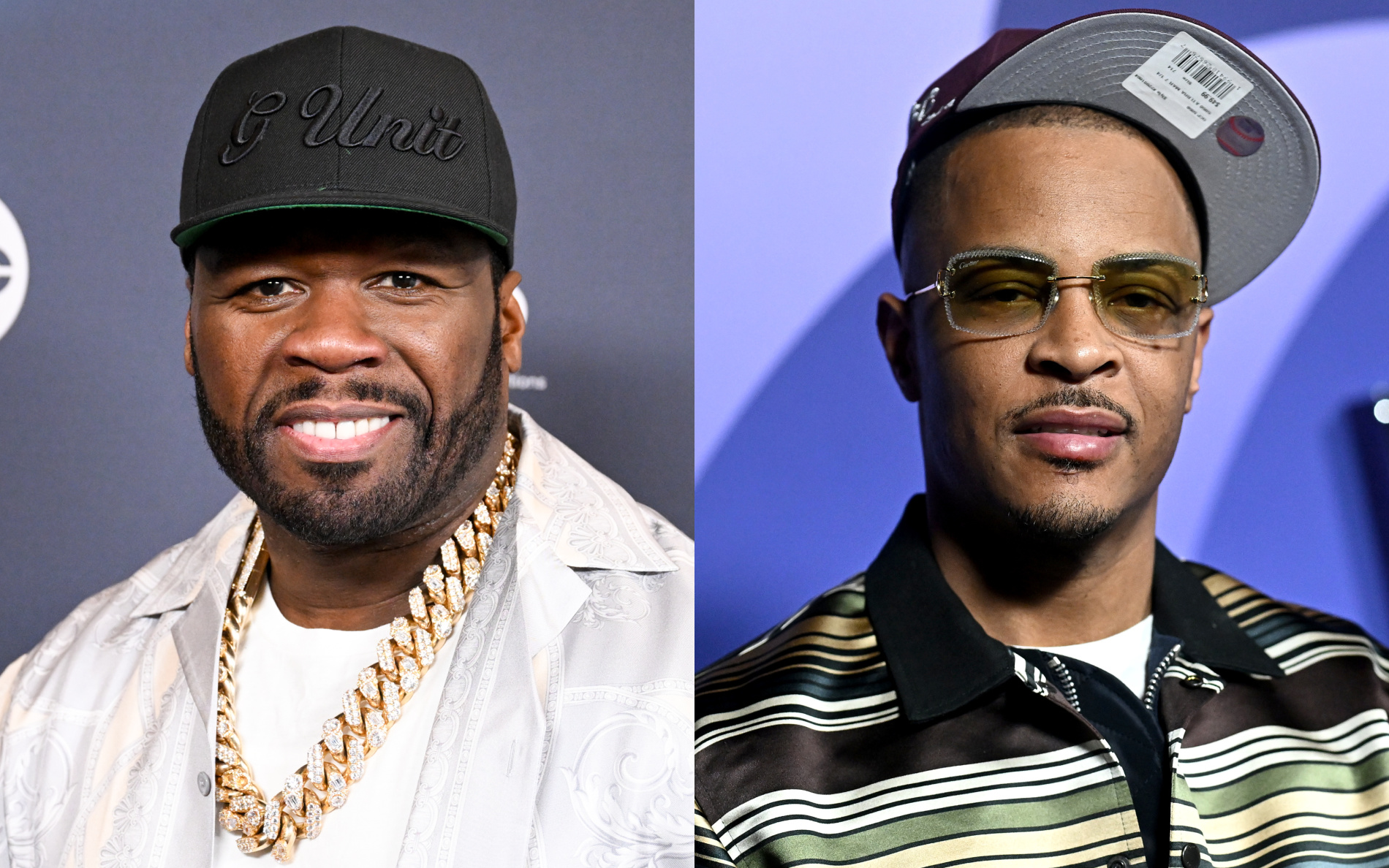
Hernandez has argued that the double standard is glaring, noting that while he received a permanent label for his cooperation, Gunna has been able to return to releasing music and performing at festivals. He has also referenced 50 Cent’s documented history of working with law enforcement during his feud with Murder Inc., as well as TI’s lenient sentence on federal weapons charges in 2007. The rapper has consistently maintained that cooperation with federal prosecutors is far more common than the culture is willing to admit.
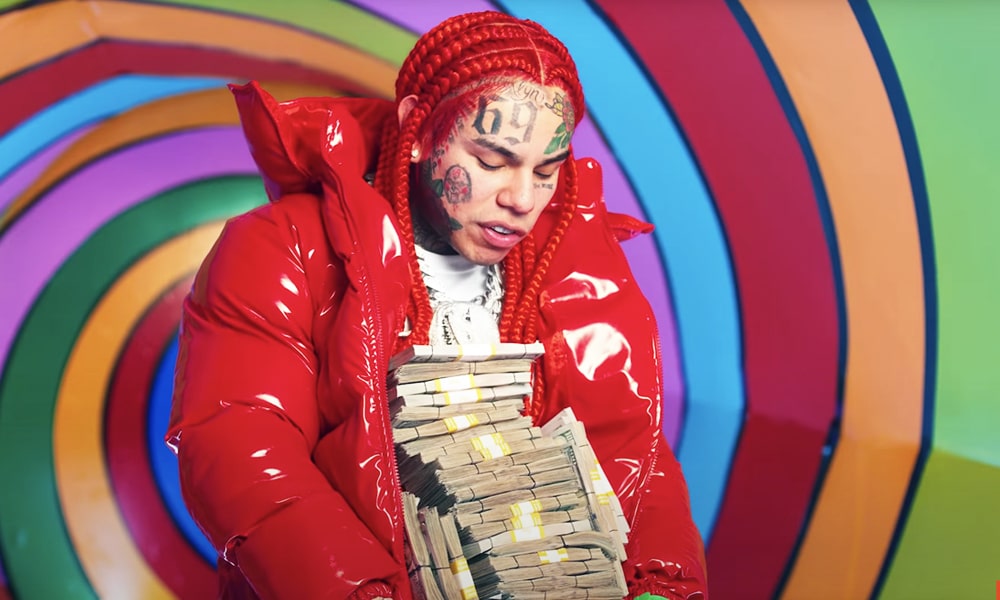
Despite the title suggesting a courtroom revelation, Hernandez did not produce court documents or sealed testimony proving that other rappers snitched. Instead, he has reframed existing public information through a series of pointed arguments designed to force a broader reckoning with the industry’s contradictions. His central question—”Where was the loyalty to me?”—has remained consistent across all his interviews from 2020 through 2026, as he continues to argue that the code was broken by those who betrayed him long before he took the witness stand.