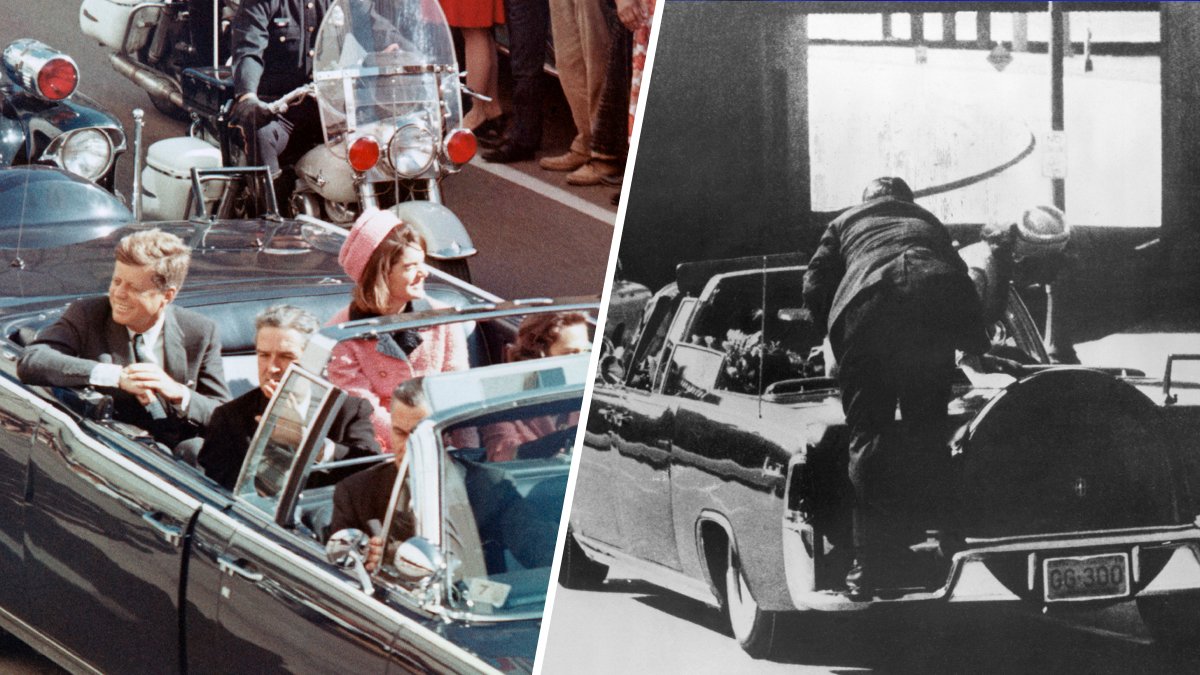
On November 22, 1963, America and the world changed forever in a matter of seconds. President John F. Kennedy — the symbol of hope, youth, and a bright future — was shot and killed in Dallas, Texas, at the age of 46. The image of Jackie Kennedy in her blood-stained pink suit, desperately trying to shield her husband in the motorcade, remains one of the most tragic moments in modern history. JFK’s death not only ended the 1,000 days of the New Frontier but also unleashed a flood of mysteries and conspiracy theories that continue to haunt humanity more than 60 years later.
This article is the fifth installment in our JFK series. It revisits the fateful day in detail and the unanswered questions that still linger. It is based on official documents from the John F. Kennedy Presidential Library, the Warren Commission Report, the National Archives, and other reputable historical sources.
The Morning of November 22, 1963: A Hopeful Trip to Texas
President Kennedy traveled to Texas to mend divisions within the local Democratic Party and prepare for the 1964 election campaign. He, First Lady Jackie, Vice President Lyndon B. Johnson, and Senator Ralph Yarborough arrived in Dallas that morning.
The atmosphere in Dallas was tense. The city was considered a stronghold of the far right, with many hostile signs directed at Kennedy. Nevertheless, as the motorcade entered Dealey Plaza around 12:30 p.m., the crowd cheered enthusiastically. JFK sat in the rear of the open-top Lincoln Continental, next to Jackie. In front of them were Texas Governor John Connally and his wife.
The President smiled and waved to the people. Those were his final moments.
The Shots That Changed History
At exactly 12:30 p.m., gunshots rang out. According to the Warren Commission Report, Lee Harvey Oswald — a former Marine who had defected to the Soviet Union — fired three shots from the sixth floor of the Texas School Book Depository.

- The first bullet struck the President in the neck.
- The second bullet hit Governor Connally (the controversial “single bullet theory” or “magic bullet”).
- The third and fatal shot struck JFK in the head.
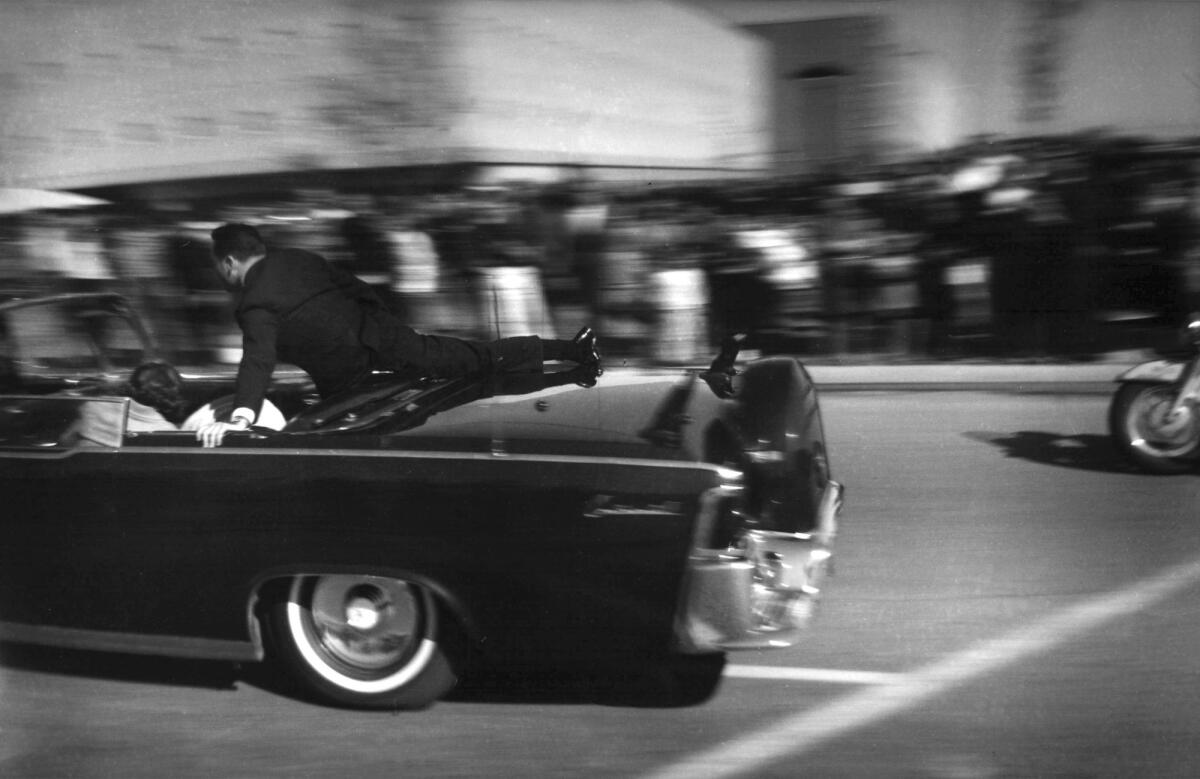
Jackie Kennedy clutched her husband and cried out, “Oh no, no!” She climbed onto the trunk of the car to retrieve a piece of his brain. The Secret Service sped the car to Parkland Hospital. Doctors tried desperately to save him, but the President was pronounced dead at 1:00 p.m. He died just 1,037 days after taking office.
Just 99 minutes later, Lyndon B. Johnson was sworn in as President aboard Air Force One, with Jackie standing beside him, still wearing her blood-stained clothes.
Lee Harvey Oswald and Jack Ruby
Oswald was arrested 80 minutes after the assassination at a movie theater. He had lived in the Soviet Union, supported Fidel Castro, and exhibited erratic behavior. However, Oswald repeatedly claimed he was “a patsy.” Two days later, while being transferred to jail, he was shot dead by Jack Ruby — a Dallas nightclub owner — live on national television. This scene was broadcast across the country.
Oswald’s death made a public trial impossible and greatly complicated the investigation.
The Warren Commission Report: The Official Conclusion
President Johnson established the Warren Commission, led by Chief Justice Earl Warren. After 10 months of investigation, the 888-page report concluded:
- Lee Harvey Oswald acted alone.
- There was no conspiracy involving domestic or foreign entities.
- Oswald fired all three shots from behind.
The report was quickly criticized for numerous inconsistencies, especially the “single bullet theory” and the lack of a clear motive for Oswald.
Conspiracy Theories That Refuse to Die
JFK’s assassination sparked hundreds of conspiracy theories, many of which remain popular today:
- The CIA: Retaliation because JFK did not fully support the Bay of Pigs invasion and wanted tighter control over the agency.
- The Mafia: Revenge for Robert Kennedy’s aggressive crackdown on organized crime.
- The U.S. Government / Lyndon Johnson: A plot to seize power.
- The Soviet Union or Cuba: Retaliation after the Cuban Missile Crisis.
- The FBI or Texas far-right extremists: Opposition to JFK’s progressive civil rights stance.
In 1979, the House Select Committee on Assassinations (HSCA) concluded there was a “high probability of conspiracy,” based on acoustic evidence suggesting a possible fourth shot from a “second gunman” on the grassy knoll. However, this conclusion has also been heavily disputed.
Millions of pages of documents have been declassified over the decades (especially during the Trump and Biden administrations), but some files remain sealed. To this day, no conclusive evidence has fully overturned the official finding that Oswald was the primary shooter.
The Nation and the World’s Reaction
The news shocked the entire country. Stock markets crashed. Schools and offices closed. Millions sat glued to their televisions watching the funeral.

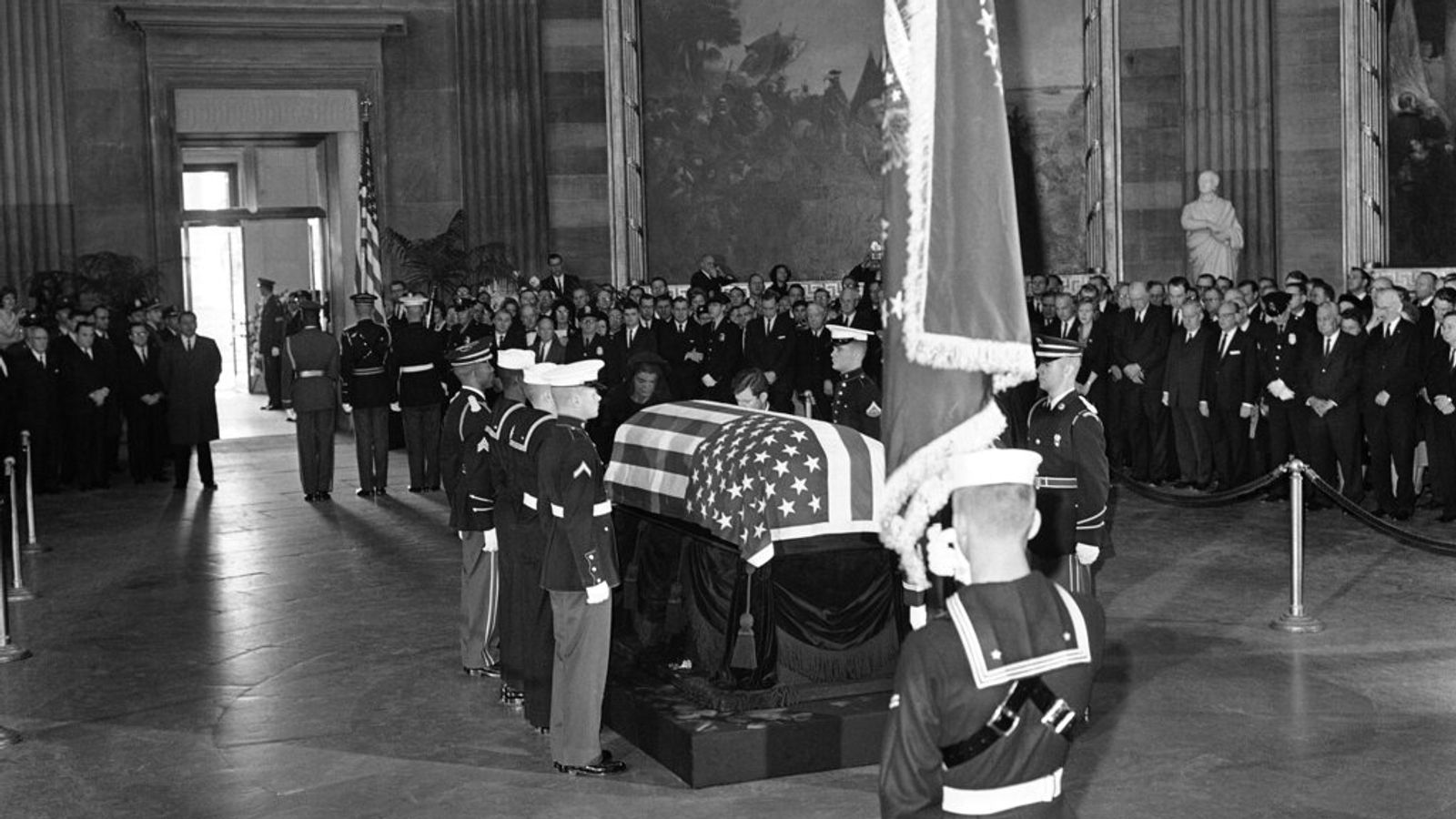
The state funeral on November 25, 1963, was conducted with solemn dignity befitting a fallen hero. Jackie, with remarkable strength and grace, orchestrated the ceremony modeled after Abraham Lincoln’s. Three-year-old John-John became iconic for saluting his father’s casket in military style.
The world was stunned. In Ireland, France, and many other countries, people poured into the streets in mourning. Charles de Gaulle said, “He was our great friend.”
The Legacy After the Bullet
JFK’s death turned him into a martyr — a symbol of hope violently cut short. Many of his policies (the Civil Rights Act, the Moon landing goal, the Nuclear Test Ban Treaty) were continued and expanded by Lyndon Johnson. But America after 1963 entered a turbulent era: the Vietnam War, the counterculture movement, and the assassinations of Martin Luther King Jr. and Robert Kennedy in 1968.
For Jackie and their children, the tragedy was permanent. She later told a journalist: “Now they will call us Camelot… A brief shining moment that people will remember forever.”
Conclusion: Truth and Legend
More than six decades later, JFK’s assassination remains one of the greatest mysteries of the 20th century. While the official conclusion is that Oswald acted alone, millions of people still believe there was a larger conspiracy. Perhaps because the sudden death of such a vibrant man makes it hard for humanity to accept such a simple and tragic truth.
JFK once said, “Life is unfair.” The bullet in Dealey Plaza proved that in the harshest way possible.