In October 1962, the world came closer to nuclear annihilation than at any other moment in human history. For 13 tense days, the United States and the Soviet Union stood eye-to-eye, each with the power to destroy civilization. At the center of this terrifying standoff was President John F. Kennedy — a young leader facing the ultimate test of his presidency. How he navigated the Cuban Missile Crisis remains one of the greatest examples of calm, strategic leadership under unimaginable pressure.
This article is the fourth installment in our JFK series. It recounts the dramatic events of the Cuban Missile Crisis, based on declassified documents from the John F. Kennedy Presidential Library, the Miller Center, and other authoritative historical sources.
The Discovery: Missiles in Cuba
On October 14, 1962, a U.S. U-2 spy plane flying over Cuba captured photographs that would change the course of history. The images revealed Soviet medium-range and intermediate-range ballistic missiles capable of carrying nuclear warheads — many aimed directly at major American cities.
The Soviet Union, under Premier Nikita Khrushchev, had secretly placed these weapons just 90 miles from Florida. For Kennedy, this was not only a military threat but a personal and political crisis. Just months earlier, he had warned the Soviets against placing offensive weapons in Cuba. Now, his credibility was on the line.
On October 16, Kennedy was informed of the discovery. He immediately convened the Executive Committee of the National Security Council (ExComm) — a group of top advisors including his brother Robert Kennedy, Secretary of Defense Robert McNamara, and other key officials. For the next several days, they met in secret, debating life-and-death options while the public remained unaware.
The Options: Blockade, Air Strike, or Invasion?
The ExComm meetings revealed deep divisions. Some military leaders pushed aggressively for immediate air strikes on the missile sites, followed by a full invasion of Cuba. They estimated thousands of American casualties and feared a Soviet response in Berlin or elsewhere.
:max_bytes(150000):strip_icc()/3321700_HighRes-crop-569ff8a23df78cafda9f58e0.jpg)
Kennedy, however, was haunted by the failed Bay of Pigs invasion the previous year. He had learned the hard way not to trust overly optimistic military advice. He feared that an air strike could trigger a full-scale nuclear war. “We’re going to have to just take our losses,” he said grimly, while insisting on exploring every possible path to avoid catastrophe.
After intense debate, Kennedy chose a middle path: a naval “quarantine” (a carefully worded term to avoid declaring an act of war) around Cuba to prevent further Soviet shipments. On October 22, 1962, he addressed the American people in a televised speech that stunned the nation and the world.
The Speech That Shook the World
In one of the most dramatic moments of the 20th century, Kennedy appeared on television and revealed the existence of the missiles. With calm authority, he stated:
“It shall be the policy of this nation to regard any nuclear missile launched from Cuba against any nation in the Western Hemisphere as an attack by the Soviet Union on the United States, requiring a full retaliatory response upon the Soviet Union.”
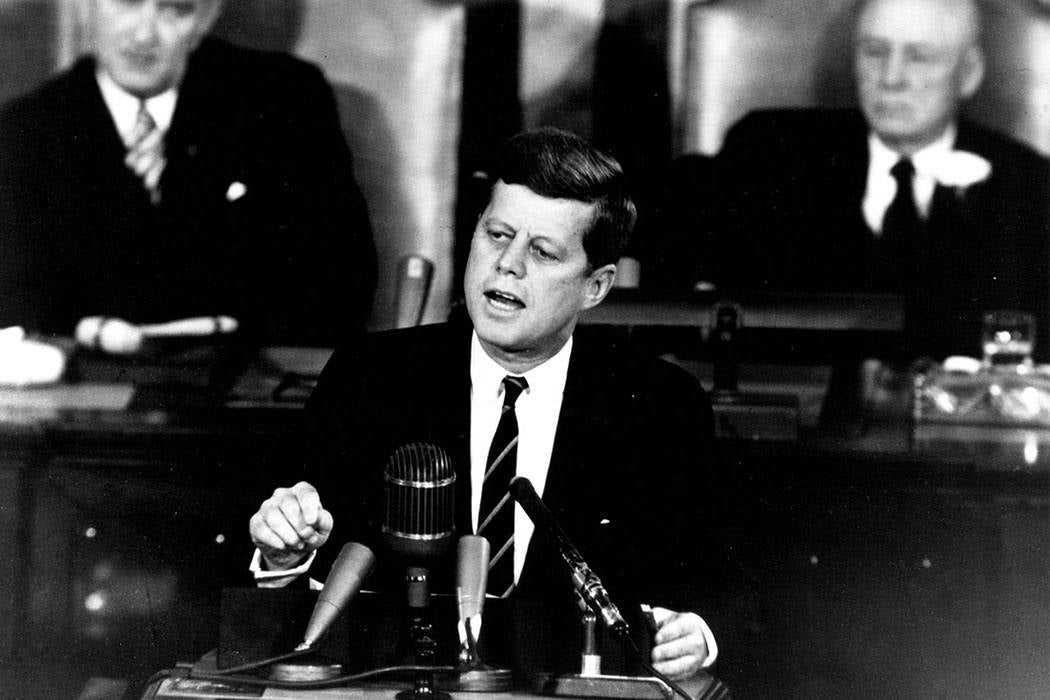
He announced the quarantine and demanded the missiles be removed. For the next few days, the world held its breath. Soviet ships carrying more missiles approached the quarantine line. American forces went to DEFCON 2 — the highest state of readiness short of nuclear war.
Behind Closed Doors: Tension, Strategy, and Humanity
While the public watched anxiously, intense diplomacy unfolded. Kennedy and Khrushchev exchanged letters. Back-channel communications through intermediaries added layers of complexity. Robert Kennedy played a crucial role, meeting secretly with Soviet officials.
On October 26–27, the crisis reached its peak. A U-2 plane was shot down over Cuba, killing the American pilot. Some advisors again urged retaliation. At the same time, another U-2 accidentally flew into Soviet airspace, nearly escalating the situation further.
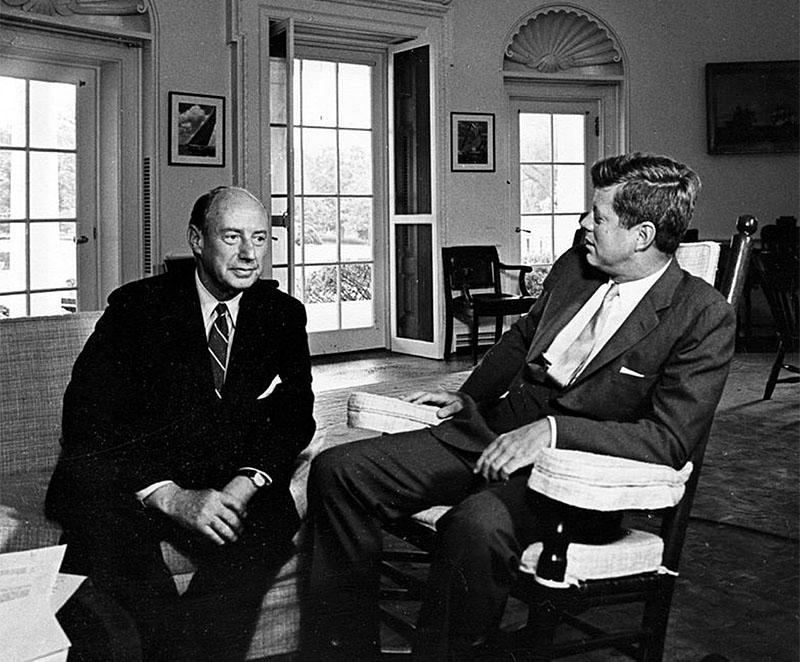
Kennedy resisted the pressure for immediate military action. He understood that Khrushchev also faced internal pressure and domestic challenges. In a brilliant strategic move, the U.S. offered a public deal (removal of missiles from Cuba) combined with a secret concession (the eventual removal of obsolete U.S. Jupiter missiles from Turkey).
Resolution: The World Steps Back from the Edge
On October 28, Khrushchev announced that the Soviet Union would dismantle and withdraw the missiles from Cuba. The crisis was over. The ships turned around, and the immediate threat of nuclear war receded.
Kennedy’s handling of the crisis showcased remarkable leadership qualities:
- Calm under pressure
- Willingness to see the adversary’s perspective
- Ability to combine firmness with flexibility
- Resistance to hawkish advice when it risked catastrophe
In the aftermath, both leaders recognized how close they had come to disaster. The crisis led to the establishment of a direct hotline between Washington and Moscow to prevent future misunderstandings. It also paved the way for the Partial Nuclear Test Ban Treaty in 1963.
The Human Cost and Personal Toll
Throughout the 13 days, Kennedy carried an enormous burden. He was dealing with chronic back pain and Addison’s disease while managing sleepless nights and constant meetings. His young children, Caroline and John Jr., played in the White House unaware of how close their world had come to ending.
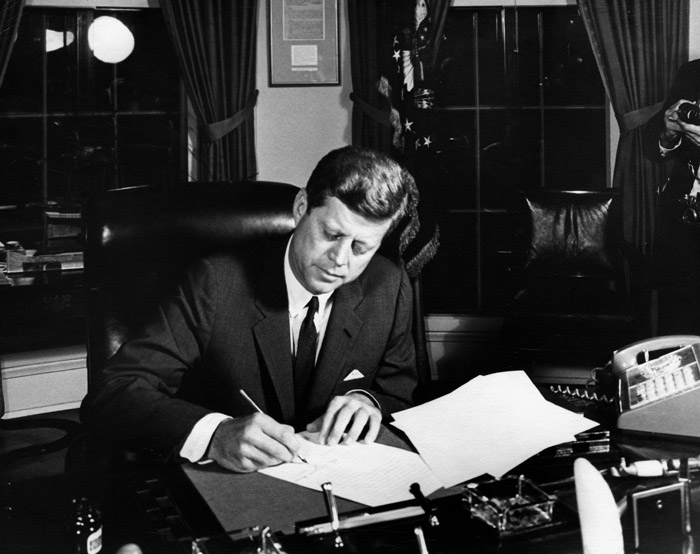
Robert Kennedy later wrote in his memoir Thirteen Days about the emotional weight of the decisions. The brothers feared not only for America but for the future of humanity.
Legacy of the Cuban Missile Crisis
The Cuban Missile Crisis is often cited as JFK’s finest hour. It demonstrated that nuclear superpowers could resolve conflicts through negotiation rather than destruction. Historians generally agree that Kennedy’s restraint and strategic thinking prevented a nuclear war that could have killed hundreds of millions of people.
The crisis also marked a turning point in the Cold War. It led to a period of relative détente and showed the limits of nuclear brinkmanship. For Kennedy personally, it strengthened his resolve to pursue peace while maintaining strength.