When John F. Kennedy took the oath of office as the 35th President of the United States on January 20, 1961, he was only 43 years old — the youngest president ever elected in American history. With a strong voice and an optimistic vision, he ignited hope for an entire generation: “Ask not what your country can do for you — ask what you can do for your country.” This marked the beginning of 1,000 short but turbulent days known as the “New Frontier” era — an era that would forever change America and the world.
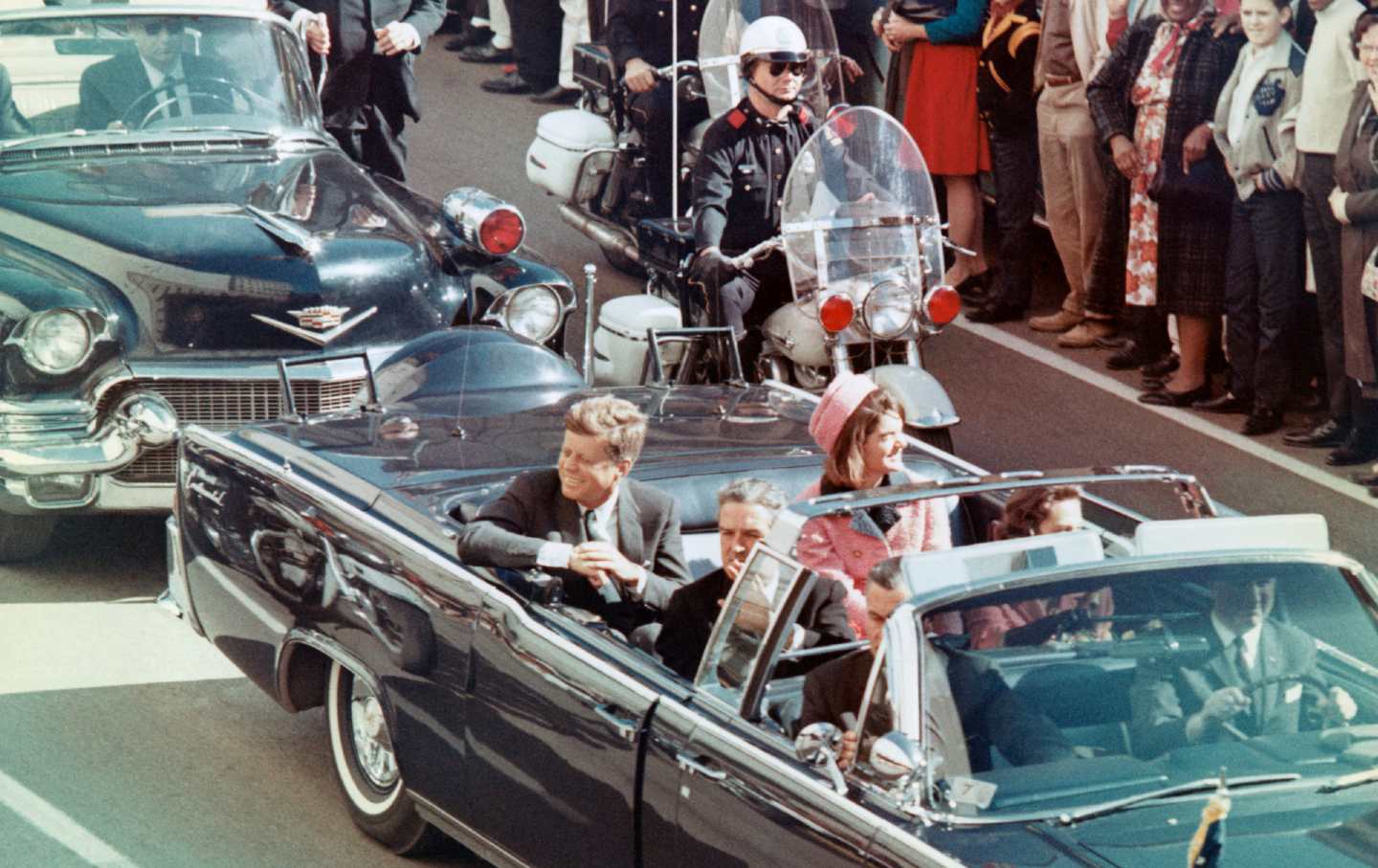
This article is the third installment in our JFK series, recounting the achievements and challenges of his presidency. It is based on documents from the John F. Kennedy Presidential Library, the Miller Center at the University of Virginia, and other reputable historical sources.
The Inauguration and the Spirit of the New Frontier
Under the freezing skies of Washington D.C., JFK appeared without a hat or overcoat, conveying a message of vitality and responsibility. He called on Americans to act for freedom, justice, and scientific progress. The “New Frontier” was more than a slogan — it was a challenge: to explore space, conquer poverty, fight for civil rights, and confront the Cold War.
JFK’s presidency lasted only 1,037 days, yet he left a deeper mark than many presidents who served full terms. He was the first to use television effectively, turning the White House into a stage for history.
Peace Corps: Exporting Hope and the Idealism of Youth
One of JFK’s earliest and most successful initiatives was the establishment of the Peace Corps in March 1961. He called on young Americans to volunteer overseas to help developing nations in education, healthcare, and agriculture.
Within a few years, thousands of volunteers had traveled to Africa, Asia, and Latin America. The Peace Corps not only provided practical assistance but also transformed America’s image during the Cold War — from a military superpower to a humanitarian leader. Many volunteers later became diplomats, politicians, and social activists. JFK once said: “Every one of us can change the world, even if only a little.”
The Apollo Program: The Dream of Sending Humans to the Moon
In May 1961, just four months after taking office, JFK addressed Congress with these words: “I believe that this nation should commit itself to achieving the goal, before this decade is out, of landing a man on the Moon and returning him safely to Earth.”
This was the launch of the Apollo program. Although the Soviet Union was leading the space race (with Sputnik and Yuri Gagarin), JFK’s bold decision ignited national spirit. Billions of dollars were invested, and tens of thousands of engineers and scientists worked tirelessly. The goal was not only scientific but also symbolic — a demonstration of freedom and creativity against communism. (Although JFK did not live to see it, Apollo 11 successfully landed on the Moon in 1969.)
The New Frontier at Home: Civil Rights and Social Reform
JFK was initially cautious on civil rights, fearing he would lose Southern votes. However, in response to the civil rights movement led by Martin Luther King Jr., he gradually shifted to stronger action.
In 1963, after police violence against Black protesters in Birmingham, JFK delivered a powerful televised address: “We are faced with a moral issue. Will white Americans treat Black Americans as they themselves would wish to be treated?” He proposed comprehensive civil rights legislation, which later became the Civil Rights Act of 1964 under Lyndon Johnson.
Additionally, he signed the Equal Pay Act of 1963 — the first law prohibiting wage discrimination between men and women performing the same work. Other programs included support for education, healthcare, and the fight against poverty.
Foreign Policy: From the Berlin Wall to the Alliance for Progress
JFK faced numerous international crises. In August 1961, East Germany built the Berlin Wall. In 1963, JFK visited Berlin and delivered his famous declaration: “Ich bin ein Berliner” (“I am a Berliner”) — affirming America’s support for freedom.
In Latin America, he launched the Alliance for Progress — a major economic aid plan designed to counter the influence of Cuba and communism. However, one major failure was the Bay of Pigs Invasion in 1961. The CIA-backed plan to overthrow Fidel Castro ended in humiliating defeat, forcing JFK to take responsibility and learn valuable lessons about leadership.
Challenges and Lessons in Leadership
JFK’s presidency was not without difficulties. The U.S. economy struggled in the early days, Cold War tensions were constant, and his personal health issues (chronic back pain and Addison’s disease) required regular pain medication. Nevertheless, he maintained a calm, humorous, and inspiring demeanor.
He also pushed for the Partial Nuclear Test Ban Treaty in 1963 — an important step toward reducing the risk of nuclear war.
The Legacy of 1,000 Days: Hope Still Echoes
In just over three short years, JFK changed the way Americans thought about government, science, human rights, and America’s role in the world. Many of his policies were continued and expanded by his successor, Lyndon B. Johnson, leading to major societal changes in the 1960s.
JFK’s greatest legacy may be his spirit: daring to dream big, daring to act, and believing that people can overcome challenges. The “New Frontier” was not just a political program — it was a call for every individual to contribute to building a better America and a better world.