In a case that has haunted Texas for over two decades, John Allen Rubio is set to be executed on November 12, 2026, for the tragic deaths of his three young children. As the clock ticks down, questions about justice, mental health, and the very nature of accountability loom large.
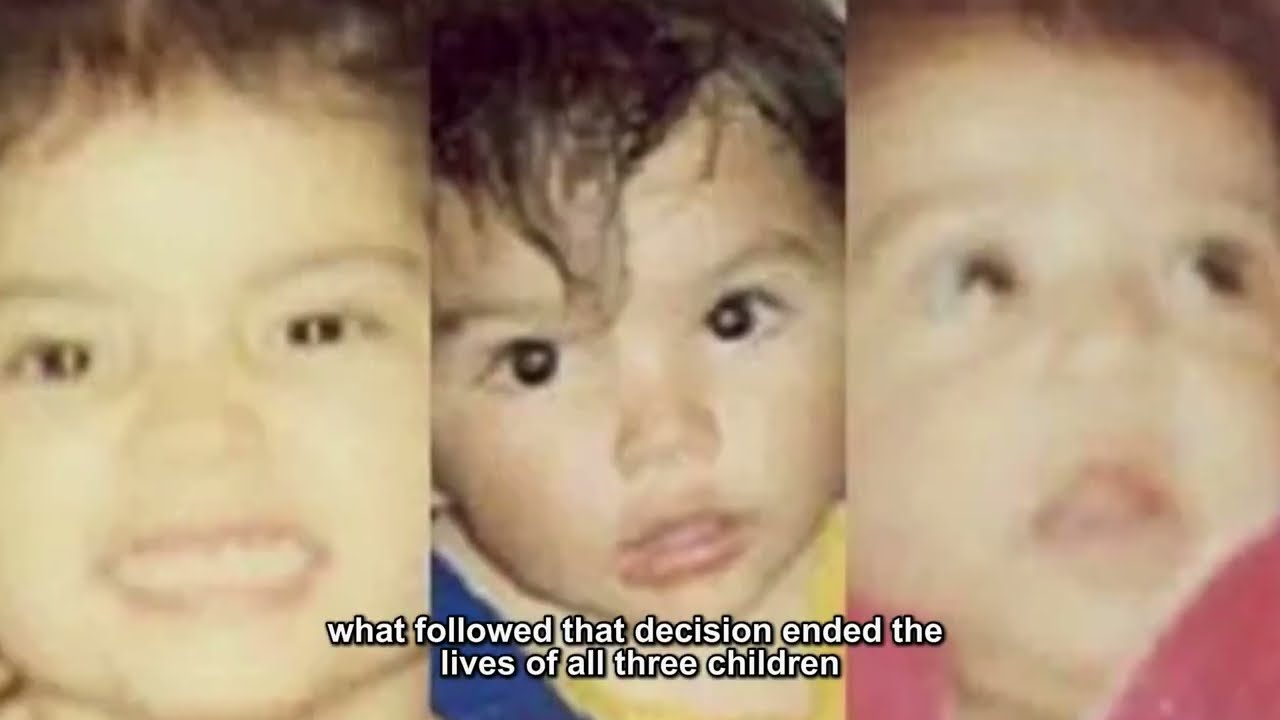
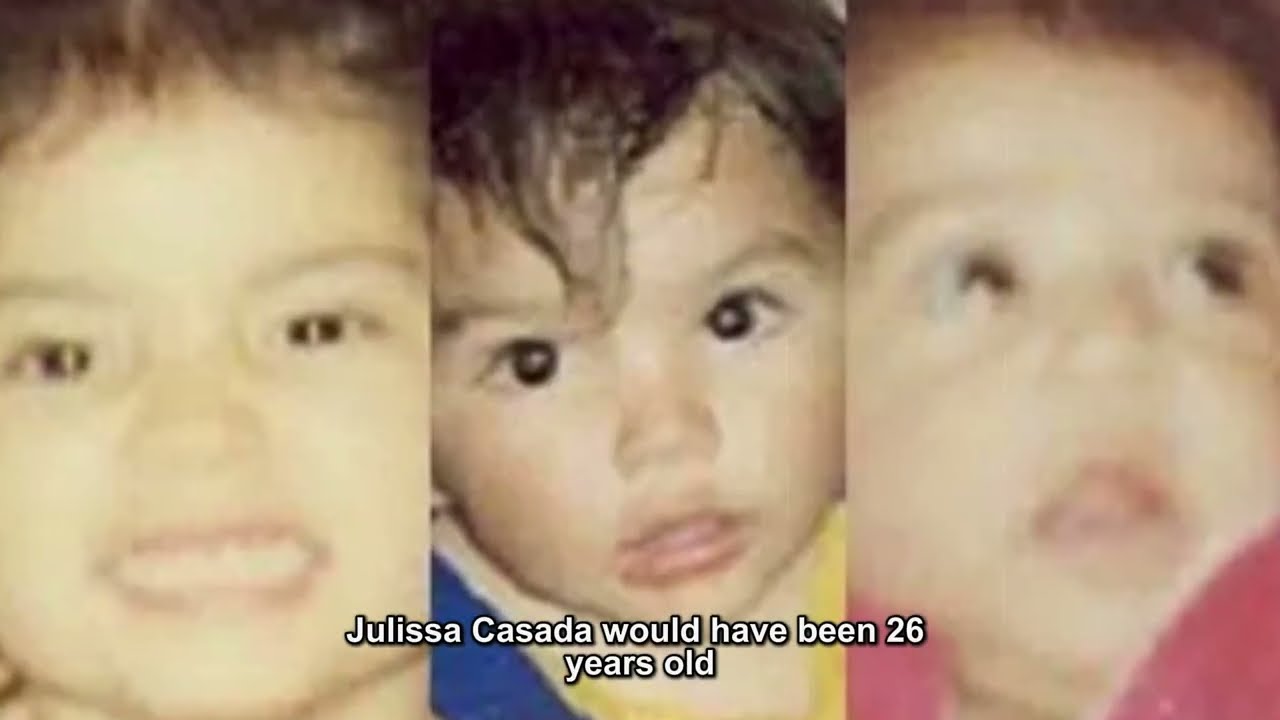
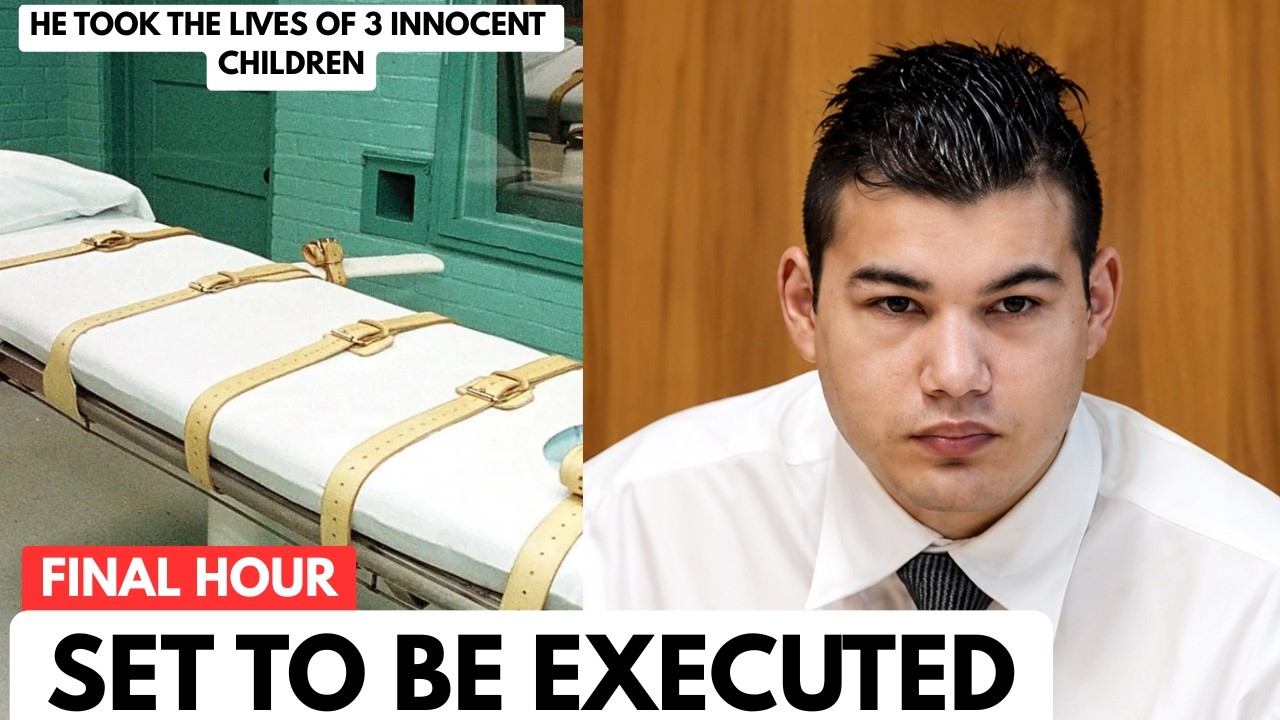 On that fateful night of March 11, 2003, three innocent lives—Julissa, just three years old, John, over a year, and baby Mary Jane, only two months—were taken in their home. The tragedy unfolded not at the hands of a stranger, but by those who were meant to protect them: their parents.
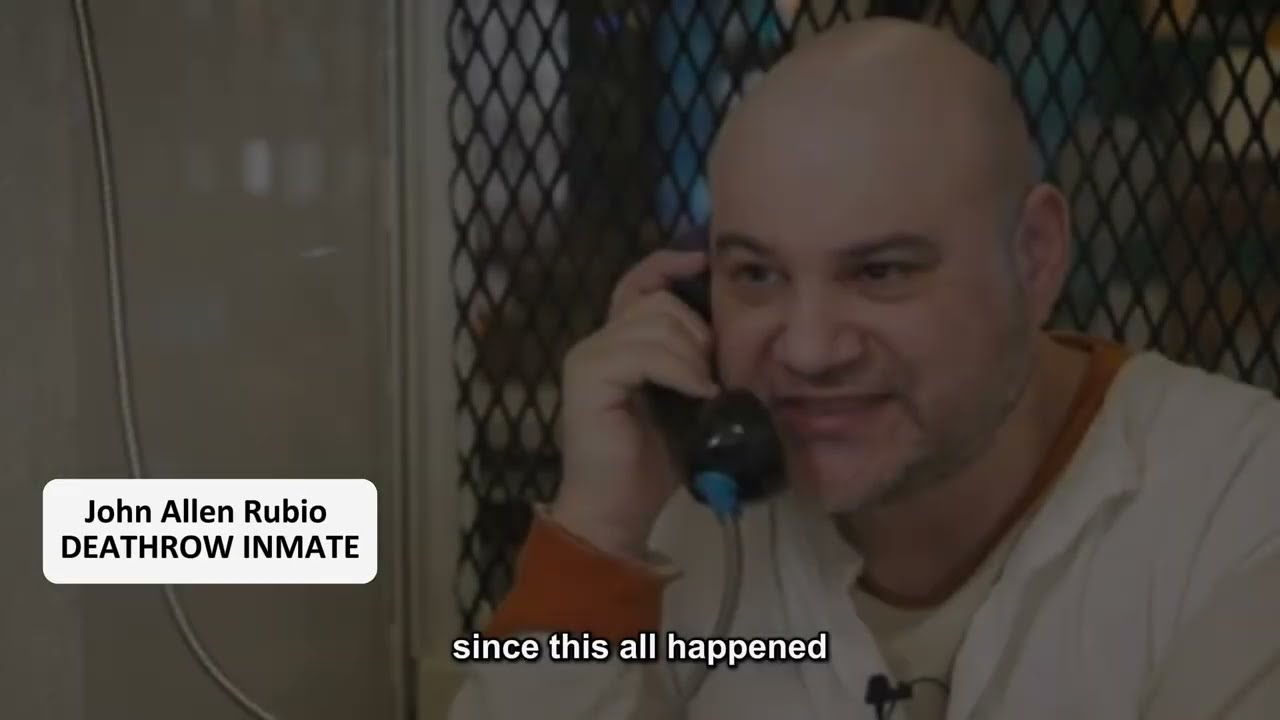
Now 45, Rubio has spent nearly half his life on death row at the Allan B. Polunsky Unit in Livingston, Texas. He was arrested alongside Angela Camacho, the mother of the children, on March 12, 2003, after a horrific act that shocked the community. The couple faced three counts of capital murder each, with the state seeking the death penalty.
Rubio’s life before this tragedy was marked by struggles. Born on August 12, 1980, in Brownsville, Texas, he had no significant criminal history prior to the events of 2003. He met Camacho around 2000, and together they formed a family under dire financial circumstances. Reports indicate that Rubio battled substance 𝓪𝓫𝓾𝓼𝓮, which led to Child Protective Services temporarily removing the older children from their home.
As the family faced mounting pressures, including financial instability and a lack of support, they planned to seek help at a homeless shelter. However, the night before that plan was to unfold, Rubio claimed to have witnessed unsettling behavior in Julissa, which he believed was a sign of possession. This belief, he stated, led to a devastating decision that resulted in the deaths of all three children.
The aftermath was harrowing. After the children were killed, their bodies were concealed in plastic bags, and it was Rubio’s brother who ultimately discovered the grim scene. The legal proceedings that followed were complex and lengthy. Rubio was convicted of capital murder in 2003, and in a rare turn of events, he requested the death penalty himself.
However, the case took a surprising twist in 2007 when the Texas Court of Criminal Appeals overturned his conviction, citing violations of his constitutional rights during the initial trial. A retrial in 2010 led to another guilty verdict, and once again, the death penalty was imposed.
Since then, Rubio’s legal team has pursued numerous appeals, arguing that he is not mentally competent to be executed. They contend that he suffers from severe mental illness, which clouds his understanding of his impending execution. The prosecution, however, maintains that he is fully aware of his actions and their consequences.
In a recent interview, Rubio expressed remorse for his actions, stating, “I miss them so much. Every day I miss them.” His words echo the pain of a case that has left many grappling with the implications of justice and mental health in the legal system.
As the scheduled execution date approaches, the state of Texas is preparing for what could be a pivotal moment in a case that has tested the boundaries of the justice system. Observers, including Cameron County District Attorney Luis Saenz, are eager to witness the outcome, believing it will signify that justice has been served.
Yet, as we reflect on this tragic story, we are left to ponder: What does true justice look like in a situation where three innocent lives were lost? What are the lasting implications for all involved?