In a somber turn of events, Edward Earl Johnson, who maintained his innocence for nearly eight years on death row, faced his final hours as his execution in the gas chamber of Mississippi State Penitentiary (commonly known as Parchman Prison) drew near. The Mississippi Supreme Court had denied his last-minute appeal, and his execution was scheduled for May 20, 1987, leaving his family and supporters confronting the reality of what was to come.
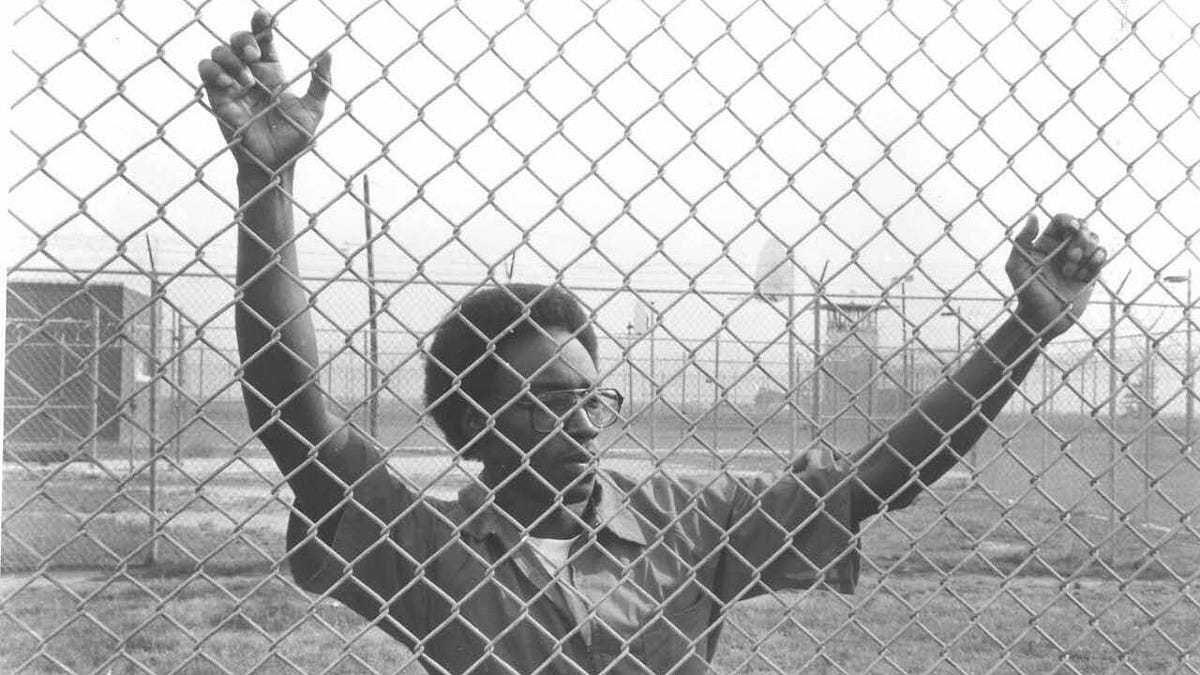
As dawn broke over the prison, Johnson prepared for his final sunrise. At age 19, he had been sentenced to death for the murder of Town Marshal J.T. Trest, who was shot beside his patrol car. The case centered on a confession Johnson claimed was obtained under duress, with no physical evidence linking him directly to the crime.
In an unprecedented decision, the Mississippi Board of Corrections granted BBC cameras access to document Johnson’s final days. The BBC produced the documentary Fourteen Days in May (1987), offering an intimate look at the realities of capital punishment in Mississippi. Johnson agreed to be filmed, allowing viewers to witness his last two weeks, including extended family visits that departed from standard prison rules.
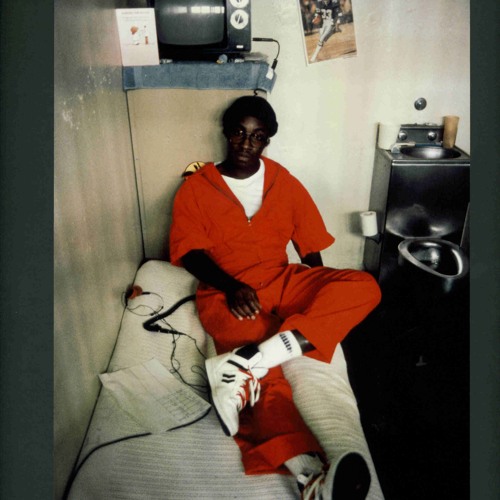
On the day of his final family visit, Johnson’s relatives gathered in larger numbers, embracing him without the usual barriers. The emotional farewell was filled with tears, prayers, and a sense of finality. Outside the prison walls, Johnson’s legal challenges were quickly dismissed; the Fifth Circuit Court of Appeals rejected his final appeal hours before the execution.
As the hours ticked down, the prison entered lockdown for security. Warden Don Cabana, who later became a vocal critic of capital punishment, described Johnson as calm and at peace, having accepted his fate. When asked about his last meal, Johnson selected a meal that included shrimp (as confirmed in his court testimony and execution records), and he declined a sedative, preferring to face the process with clarity.
In a notable exchange, Johnson told Cabana, “I want you to remember every last detail, ‘cause I’m innocent.” Those words, recorded in the BBC documentary and in Cabana’s later reflections, stayed with the warden long afterward. As the evening progressed, Johnson’s family continued to hope for a last-minute reprieve, though none materialized.
By 11:00 p.m., all avenues for clemency were exhausted. Warden Cabana entered Johnson’s holding cell to deliver the news, and the two shared a final embrace before Johnson was led to the gas chamber (sometimes referred to in accounts as “the black death” by observers).
In his final moments, Johnson continued to express his innocence and urged Cabana to find peace with his own conscience. As the execution began, he was observed humming a spiritual, his voice growing faint. Witnesses noted the procedure unfolding.
At 12:06 a.m. on May 20, 1987, Edward Earl Johnson was pronounced dead at the age of 26, the youngest person executed in Mississippi at the time. His execution left behind a haunting reminder of the complexities and controversies surrounding the death penalty. Cabana, the warden, later reflected on the case and became a lifelong advocate for abolishing capital punishment, stating he had executed an innocent man. Johnson’s lawyer and supporters continued to question the conviction, noting that no physical evidence beyond the contested confession was presented.

As Johnson’s story concludes, the case continues to be studied as part of broader debates on the reliability of confessions, the fairness of capital punishment, and the role of media in highlighting such cases.
Sources (all publicly available and verifiable):
- Wikipedia – Edward Earl Johnson page (citing official court records, execution documentation, and the BBC documentary)
- Executed Today (2010) and Reprieve.org archives – details on final words, timing, and executioner reflections
- The New York Times (1988) and Friends Journal archives – coverage of the BBC documentary Fourteen Days in May and Johnson’s character during his time on death row
- ABC News (2001) and federal court records (5th Cir. and Miss. Supreme Court) – accounts of the gas chamber nickname, last meal selection, and Warden Cabana’s post-execution statements about Johnson’s innocence and his own regrets.
- Official execution records from the Mississippi Department of Corrections (1987) and the BBC documentary production notes.