In a haunting twist of fate, Rodney James Alcala, known as the “Dating Game Killer,” passed away in a hospital bed at the age of 77 on July 24, 2021. His death came after decades of legal battles and a life marked by horrific crimes, leaving many to ponder the failures of a system that allowed him to evade justice for so long.
 Alcala’s life ended quietly, far from the execution chamber where he was condemned to die three times over three decades. A moratorium on executions in California, enacted by the governor in 2019, meant that Alcala would never face the lethal injection he had long evaded. Instead, he succumbed to natural causes, his passing noted by the California Department of Corrections in a brief statement that failed to encapsulate the gravity of his actions.
Born on August 23, 1943, in San Antonio, Texas, Alcala’s early life was marked by instability. After his father abandoned the family, his mother moved the children to Los Angeles, where Alcala’s intelligence and charm began to emerge. He was a bright student, eventually enlisting in the Army, where troubling behavior led to a psychiatric evaluation that diagnosed him with chronic antisocial personality disorder.
After being discharged, Alcala pursued a career in photography, even appearing as a contestant on the popular game show “The Dating Game” in 1978. His charm and good looks captivated the audience, but behind the facade lay a man with a dark and violent history. Just weeks after his appearance on the show, he was linked to a series of brutal murders across California and New York.
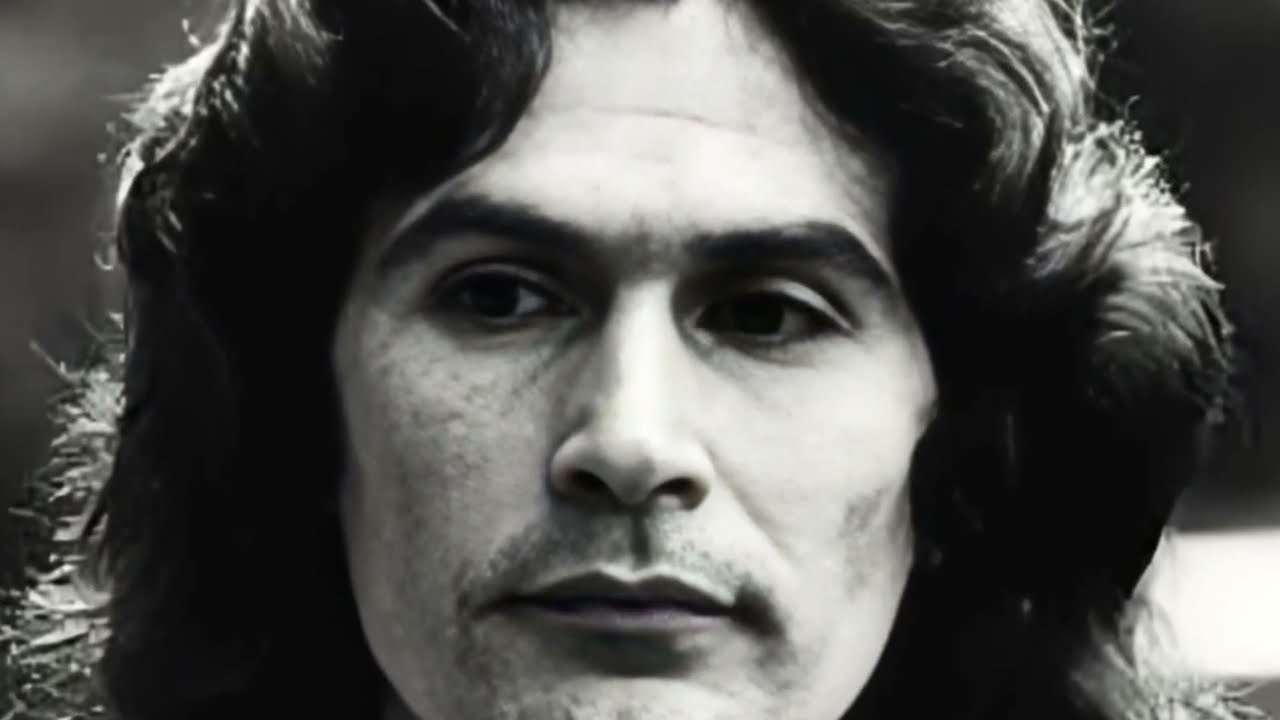
The timeline of Alcala’s crimes is chilling. In 1968, he nearly killed 8-year-old Tali Shapiro, who was walking to school when he lured her into his car. Although he was arrested, a lack of cooperation from Shapiro’s family allowed him to plead guilty to lesser charges and walk free after just 34 months. This pattern of manipulation and violence continued, as he was released multiple times despite a history of sexual offenses.
Alcala’s killing spree escalated in the late 1970s, with victims including young women like Jill Barcomb and Georgia Wixted. His method was horrifyingly consistent: he would strangle his victims, often reviving them to prolong their suffering. The sheer brutality of his crimes shocked investigators, yet he repeatedly slipped through the cracks of the legal system.

In 1980, Alcala was convicted for the murder of Robin Samsoe, a 12-year-old girl. However, his conviction was overturned, leading to a lengthy series of trials that spanned decades. Even as evidence mounted against him, including DNA linking him to several cold cases, Alcala remained a figure of legal controversy, often representing himself in court and using the system to his advantage.
His final trial in 2010 resulted in a third death sentence, but by then, the justice system had already failed many times over. As Alcala languished on death row, the families of his victims were left grappling with their grief and the haunting question of how he had been allowed to continue his reign of terror for so long.

When Alcala died in 2021, Tali Shapiro reflected on his passing, stating, “The planet is a better place without him.” Her words resonate deeply, echoing the sentiments of many who have followed Alcala’s story. As we consider the legacy of a man whose life was marked by violence and manipulation, we are left to question the effectiveness of a system that allowed him to evade true justice for decades.
What does Alcala’s story reveal about the flaws in our legal system, and how can we ensure that such failures do not happen again?