In a chilling turn of events, Glenn Edward Rogers faced his final hours at Florida State Prison, where the weight of nearly three decades of crimes loomed heavy. With the U.S. Supreme Court declining to intervene, the countdown to his execution began, set for 6:00 p.m. the following day.
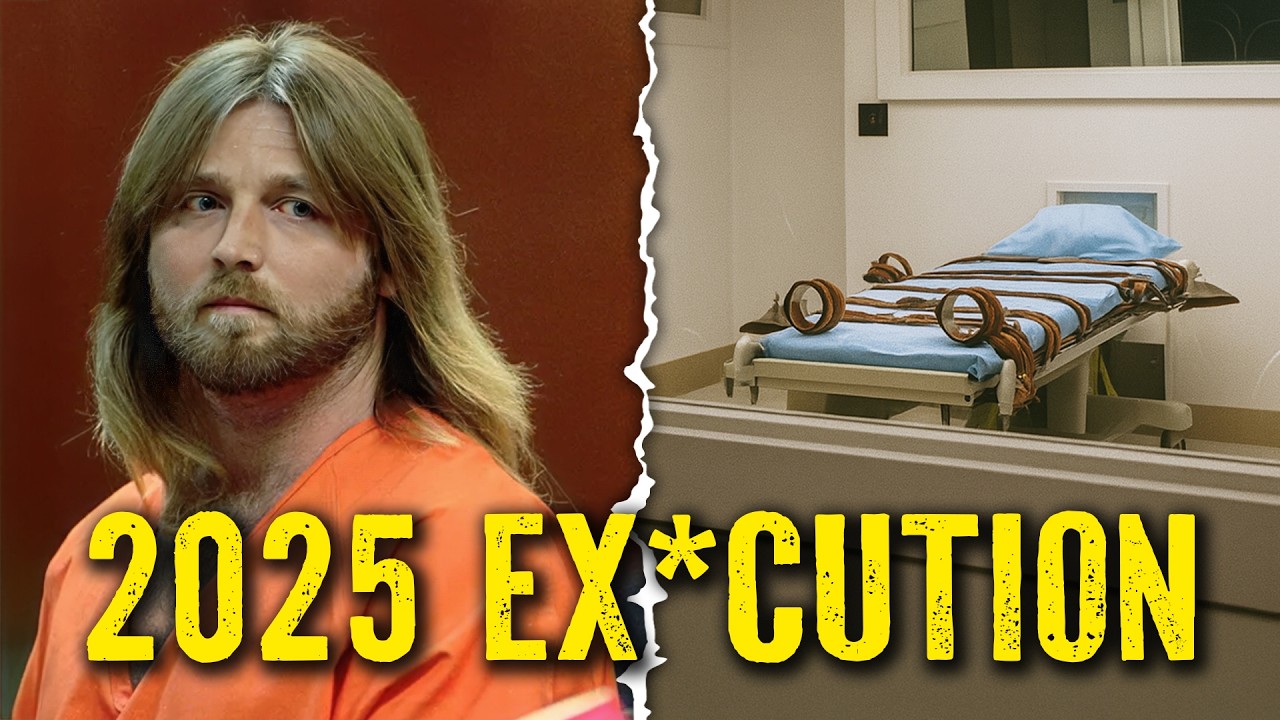 As the clock ticked down, Rogers was placed on death watch, confined to a cell adjacent to the execution chamber. Monitored closely, he adhered to the prison’s strict protocols, retiring early for the night. In a poignant farewell, his brother Clay visited from Kentucky, sharing a last moment under the watchful eyes of prison officials.
Rogers’ final meal, consisting of pepperoni pizza, chocolate cake, and soda, arrived ahead of schedule. Having been awake since the early morning hours, he consumed every item without complaint, maintaining a demeanor that was reportedly calm and compliant. Known as the “Casanova killer,” Rogers had a complex history marked by charm and violence, leaving a trail of devastation across several states.
Born in 1962 in Hamilton, Ohio, Rogers’ life spiraled into chaos after a troubled marriage. He became notorious for his reckless lifestyle, often preying on vulnerable women. His criminal spree began with the murder of a retired electrician and escalated to multiple victims across California, Mississippi, and Florida. Eventually, his capture by the FBI placed him on the Ten Most Wanted list, leading to his conviction for the murder of Tina Marie Cribs, followed by another death sentence in California.

In the hours leading up to his execution, Rogers received visits from his wife and legal team, who had exhausted all avenues for appeal. As the day progressed, he spent time writing letters, the contents of which remain undisclosed, leaving room for speculation about his thoughts in those final moments.
By 3:30 p.m., Florida Department of Corrections officials confirmed that Rogers was awake and ready for the execution. As the hour approached, a small crowd gathered outside the prison, with advocates voicing their opposition to the death penalty and calling for a deeper understanding of the factors that lead to such violent behavior.

In stark contrast, Florida Governor Ron DeSantis defended the execution, labeling Rogers’ crimes as heinous and asserting that the death penalty was warranted. As the time drew near, Rogers was dressed in clean clothes and escorted to the execution chamber, where witnesses, including family members of his victims, awaited.
When asked if he had any final words, Rogers expressed love and gratitude to his family before addressing the victims’ families, promising that their questions would be answered in time. In a surprising turn, he urged President Trump to continue making America great, marking his last statements before the procedure began.

The execution unfolded swiftly, with Rogers showing no signs of distress as the lethal chemicals took effect. Within minutes, he was pronounced dead at 6:16 p.m., concluding a life marked by violence and tragedy in just 16 minutes.
As the dust settles on this somber chapter, questions linger about the nature of justice and the impact of violence on society. What does this case reveal about the complexities of crime and punishment?