I sat in my living room, phone in hand, rehearsing a simple request. I needed a ride to the doctor, nothing more. But I couldn’t press call. My hand hovered, then lowered.
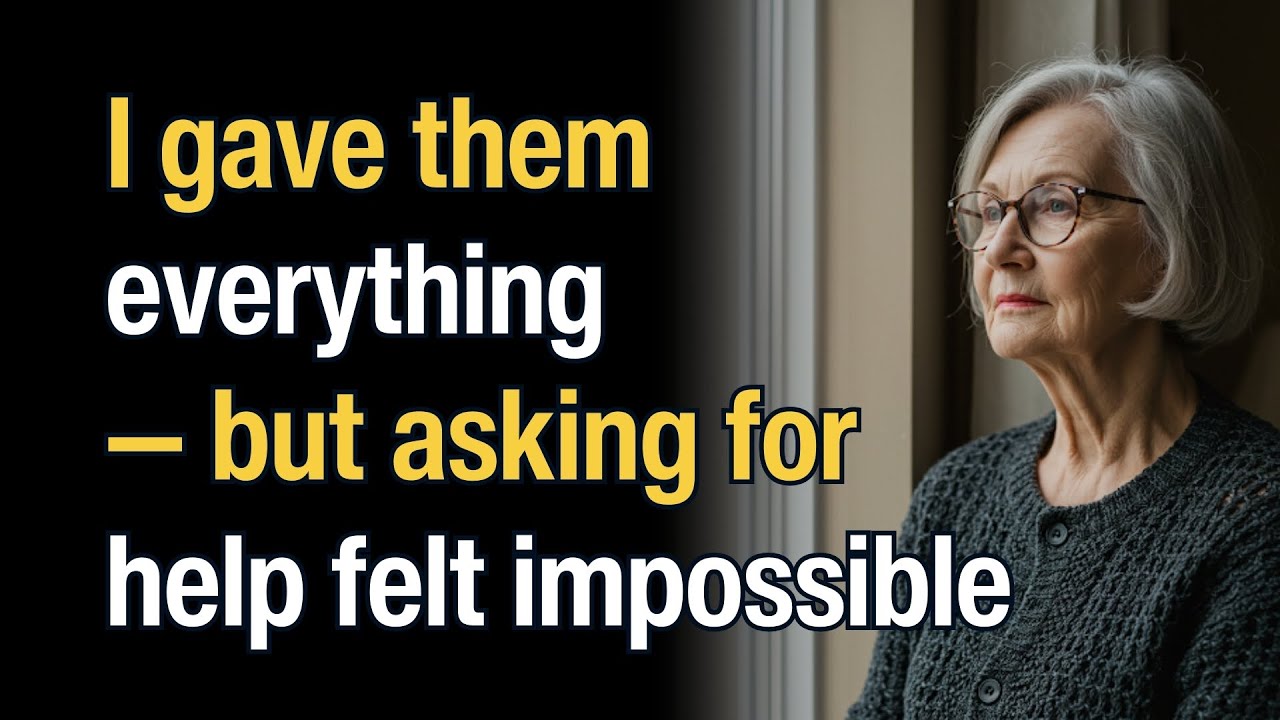
I told myself they were busy, that I’d manage, that I didn’t want to be a burden. But the real reason was fear—fear of the sigh, the rolled eyes, the silent treatment that always followed when I asked for anything. I’ve spent my whole life learning that my needs don’t matter. Growing up, I was taught that being strong meant never needing anyone.
So I pushed through, took care of everyone else, and left myself behind. Now, at my age, that old programming runs deep. Asking for help feels shameful, like I’m doing something wrong. My adult child has always put themselves first.
They dismiss my feelings, get angry when things don’t go their way, and make me feel like my needs are an inconvenience. I’ve learned to walk on eggshells, to keep quiet, to agree when I don’t mean it. I’ve become invisible in my own family. One day, I finally worked up the courage to ask for help moving a heavy box.
It was a small thing, but I’d been putting it off for weeks. When I asked, they sighed heavily and said, “Fine, I guess I can do it later. ” The words were laced with irritation, and I immediately felt embarrassed, like I’d committed a crime. I apologized for asking.
I said I’d manage on my own. That night, I couldn’t sleep. I kept replaying the moment, feeling the shame wash over me. But then something shifted.
I started to question that feeling. Did I actually do anything wrong? I didn’t scream or demand. I simply asked for help.
And the reaction I got wasn’t about me—it was about them. I realized I’ve been carrying this shame for decades, not because I’m weak, but because I’ve been programmed to believe that my needs are a burden. I’ve been placed in a role in my family: the giver, the one who never asks, the one who exists to support others. And I’ve played that role so long that stepping out of it feels foreign, even wrong.
But I’m done with that. I’m done with being invisible. I’m done with performing the role of the perfect parent who never complains, never asks, never gets tired. That role is a cage, and I was never meant to live in a cage.
I’ve started to reclaim my worth. It’s not about becoming selfish or demanding. It’s about recognizing that I matter too. I’m allowed to have needs.
I’m allowed to ask for help. And if my child can’t offer me the care and respect I deserve, I’m allowed to seek it elsewhere. I’ve begun to build friendships that feel like family. I’ve connected with people who understand the grief of raising a child who only sees you as useful, not human.
I’ve learned that peace is better than performance. I still love my child. I still want connection. But I’ve stopped managing their emotions.
I’ve stopped letting their reactions dictate my worth. I’ve stopped apologizing for existing. It’s not easy. Some days, the old shame creeps back.
But I remind myself: that feeling isn’t mine. It was handed to me. And I don’t have to keep carrying it. I’m learning to say no.
I’m learning to ask for what I need. I’m learning to rest without guilt. And I’m learning that I don’t have to earn my right to be cared for. If you’re a parent who’s been walking on eggshells, who’s been putting yourself last, who’s been afraid to ask for help—please hear this: you are not a burden.
You are a person, a whole person with needs and feelings and limits. You are worthy of love, even when you’re not giving. You are worthy of rest, even when there’s more to do. You are worthy of care, even when you’re not perfect.
It’s never too late to come home to yourself. It’s never too late to unlearn the lies. It’s never too late to choose emotional freedom.