The pill bottles lined my bathroom counter like tiny soldiers, each one promising to fix something. High blood pressure. Cholesterol. Stomach problems.
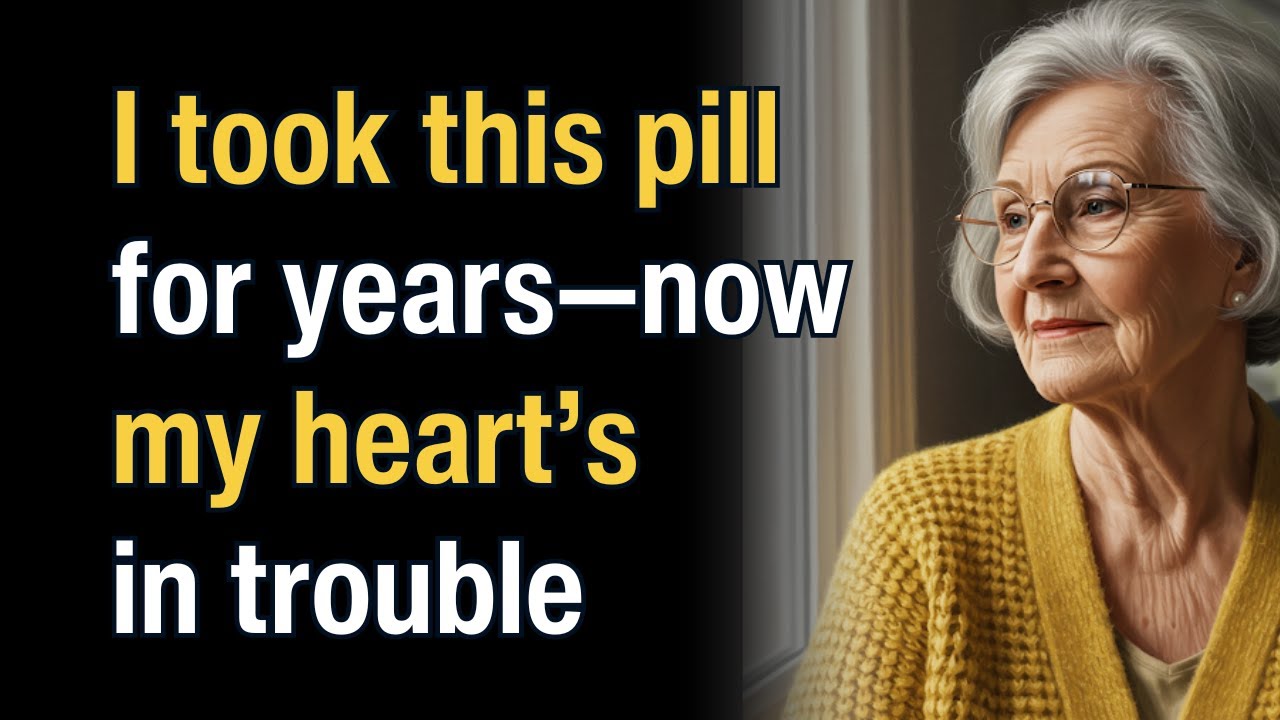
Pain. I never questioned them. The doctor prescribed them, the pharmacy filled them, and I took them. That was the system.
But lately, I’d been feeling different. Not just tired in that normal way. Heavier. Slower.
My ankles swollen by evening, my head foggy, and my heart racing when I did the simplest things. I blamed age. Everyone does. My doctor said the same thing, “You’re not young anymore.
” But deep down, I wondered. Could it be more? It started with ibuprofen. I took it almost daily for my knees, never thinking twice.
It was just a pain reliever, the kind everyone has in their cabinet. But I found out it was doing something I never expected. It was making my kidneys hold onto fluid. One morning, getting dressed, I noticed my shoes were tight.
Then my rings didn’t fit. My sister joked I was getting fat. But this wasn’t weight. It was water.
And nobody told me that water was my heart working overtime to keep up. I remember sitting at the kitchen table one evening, staring at all my bottles. Sleeping pills. Anxiety meds.
Acid reflux pills. Blood pressure pills. I had no idea what some of them were for anymore. They’d been prescribed so long ago that the reasons blurred together.
My daughter asked me about one of them once. I told her I didn’t know. She looked at me with that expression. The one that says, “I’m worried about you, but I don’t want to say it.
”
“I think you should ask the doctor,” she finally said. “I don’t want to bother him,” I answered. “He knows what he’s doing. ”
But how could he?
He saw me for fifteen minutes twice a year. He spent more time looking at my chart than at me. Then came the night I’ll never forget. I woke up at 3 AM, heart pounding so hard I felt it in my throat.
Dizzy. Short of breath. I tried to get up, but my legs felt like stone. I remember staring at the ceiling, watching the fan spin, wondering if this was what dying felt like.
My mind raced through everything I’d taken that day. A water pill for my blood pressure. A sleeping pill. Something for my stomach that my sister swears by.
I had no idea if they were fighting each other inside me. No idea if one was cancelling out another or making it stronger. The hospital told me my potassium was dangerously low. The water pill had stripped my body of electrolytes.
The stomach pill made it worse by interfering with how I absorbed nutrients. And the sleeping pill was making me so groggy that my balance was off. I’d felt unstable for months without realizing why. My doctor walked in the next morning with that standard clipboard look.
Even before he spoke, my heart rate spiked. I braced myself for the diagnosis. Another pill. Another adjustment.
More prescriptions. I was wrong. He reviewed my list and crossed out three medications right then. Three!
“When did you prescribe that sleeping pill? ” he asked. I told him. Five years ago.
For a rough patch after my husband passed. He shook his head. “These weren’t meant for long-term use. Especially not at your age.
”
That word hit me like a wall. “Your age. ” When did 67 become something to warn about? When did my body become a checklist of risk factors, one that required so many pills my breakfast table looked like a pharmacy?
He sent me home with a new plan. I stopped the sleeping pill cold turkey, and that first week was brutal. Tossing. Turning.
Night sweats. Anxiety attacks that made me think I was losing my mind. I nearly called him to ask for it back. To ask for the pill that would just let me sleep again.
But I held on. By the second week, my memory sharpened. I remembered things I’d forgotten for years. My daughter’s voice echoed in awe when I recited her number without looking.
“Mom, how did you do that? ”
“Because I’m not foggy anymore,” I told her. “That pill was stealing my brain. ”
The stomach medicine was next.
For eight years, I’d taken it every morning before eating. The pharmacy auto-refilled it. No questions from anyone. But when I stopped, the heartburn returned.
I couldn’t eat spicy food without burning. Then I discovered something. Eating smaller meals, raising my bed at night, and avoiding the trigger foods made it manageable. It turned out I didn’t need the pill as much as I needed better habits.
The water pill was the last one. My doctor lowered the dose, and I started checking my blood pressure at home. Turned out careful monitoring replaced the need for the high dose. Feeling my ankles shrink gave me goosebumps.
I hadn’t realized I was carrying three pounds of water in my feet. Last month at my checkup, my doctor looked at me and smiled. “You look different,” he said. “Because I am different,” I answered.
I told him about my energy, how I walked twice as far now. How I slept six hours straight without medication. How my hands stopped shaking and my heart stopped racing. He studied my chart and said five words I’ll never forget: “Let’s keep it this way.
”
I’m not saying medications are evil. Some of them saved my life. I still take my blood pressure medication, at a lower dose, with a plan. But I learned something that no commercial ever tells you.
These pills are not snacks. They’re not candy. They’re powerful chemicals designed for specific problems, and they need to be reviewed, questioned, and reduced as your body changes. Since that hospital night, I’ve convinced three friends to review their medication lists.
One of them cried. She’d been taking sleeping pills and a muscle relaxer for so long that she forgot what it felt like to think clearly. She told me she felt like she was waking up for the first time in seven years. My kitchen table is different now.
The pill organizer still sits there, but it has fewer slots filled. No more mystery pills. No more leftovers from prescriptions I couldn’t remember. Just the ones I genuinely need, and the ones I take with full understanding of why.
I look back at me from the year before and almost feel sorry for her. She was struggling, blaming age, pushing through. Nobody told her that sometimes the best thing you can do for your health is take fewer pills. Sometimes the strongest you can be is when you say to your doctor, “Can we review this?
Am I still taking what I need? ”
I know my doctor now. He knows me. We talk like partners.
And I’ve learned to ask the question that changed everything: “Is this still necessary? ”
If you’re over 60 and taking five or more medications, I want you to ask that question too. Not to ditch everything blindly, but to understand. To question.
To find out what your pills are really for. Because here’s the truth I wish someone had told me earlier. The medication that worked when you were 55 might harm you at 70. Your body changes.
Your needs change. Your prescriptions should change too. I don’t know where you are in this journey. Maybe you’re fine.
Maybe you’re struggling and blaming your age like I did. But I hope you take this as permission to speak up. To take your list of pills to your next appointment and ask them to walk through it with you. You deserve to feel strong.
You deserve to feel clear. And sometimes, that means letting go of things that no longer serve you. My next goal is getting off my blood pressure medication entirely. My doctor says we might be able to make it happen if I keep improving.
I’ve started walking three miles a day and cooking meals from scratch. Who knows? Next year, I might have an empty organizer. I no longer wonder whether my pills are helping or hurting.
I know exactly what I take and why. And for the first time in years, my heart isn’t racing. It’s steady.
Like me.