The video appeared in your feed on an ordinary afternoon, and I believe that might not be an accident. At my age, I’ve stopped trusting that every important moment needs to be planned. Some of the greatest lessons arrive quietly, when you aren’t looking for them. So if you’re sitting there with a cup of coffee, wondering why you still carry burdens that should have been laid down decades ago, stay with me for a while.
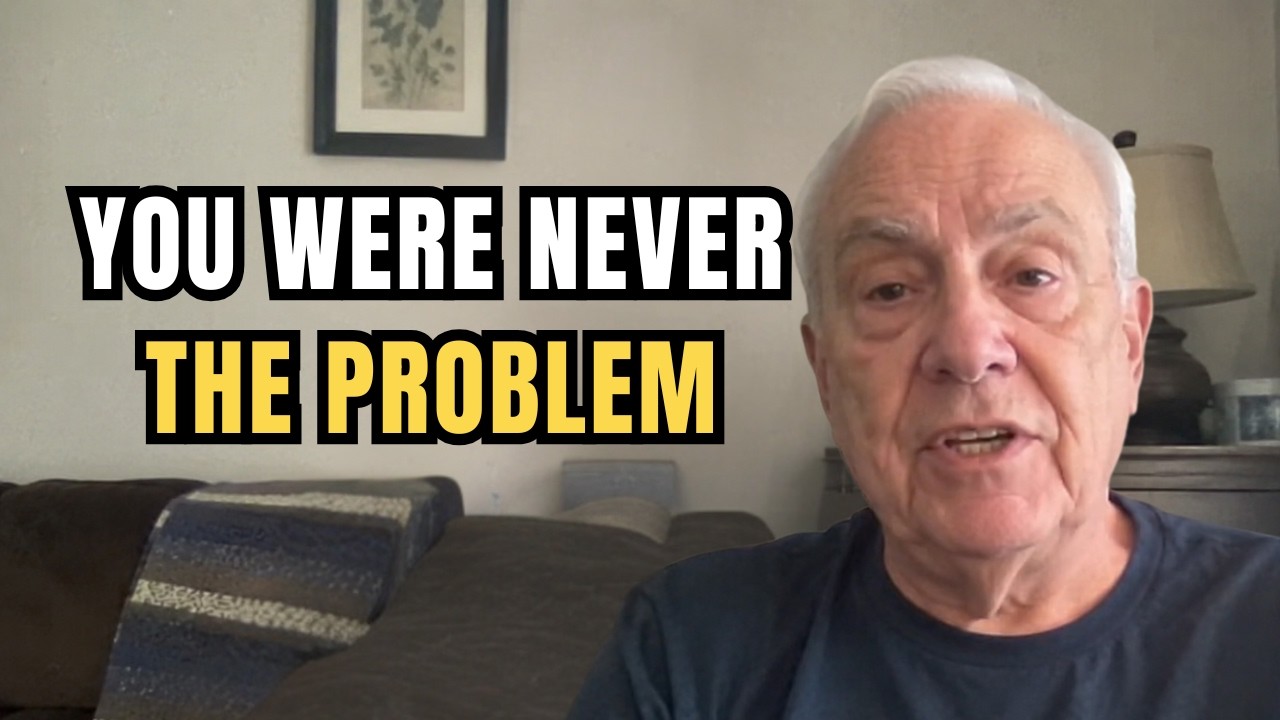
I don’t claim to have every answer. I’m just an old man who has made many mistakes, lost sleep over things that never deserved my peace, and slowly discovered that growing older isn’t about adding years to your life. It’s about removing the invisible weight you’ve dragged along for far too long. When I was younger, I believed that if I just worked harder, loved people better, explained myself more clearly, and sacrificed a little more of who I was, everything around me would finally settle.
I thought peace was something I earned by keeping everybody else comfortable. If someone was upset, I assumed I had done something wrong. If someone was disappointed, I immediately searched for ways to fix it. I became very good at carrying responsibilities that never belonged to me.
The strange part is that people praised me for it. They called me dependable, caring, selfless. What they didn’t see was how exhausted I had become. There comes a season in life when you realize being admired for carrying everyone else’s emotional baggage is not the same as living your own life.
The older I got, the more I noticed something that bothered me deeply. No matter where I went, certain feelings followed. I could move to another city, change jobs, make new friends, spend long periods away from family gatherings. Yet the same fears, the same guilt, the same habit of questioning myself would quietly reappear.
For a long time, I blamed my circumstances. I blamed difficult relatives, stressful jobs, bad luck. But after enough years passed, I had to face an uncomfortable truth. Those old voices weren’t outside of me anymore.
They had taken up residence inside my own thinking. That is a painful realization, especially later in life. We assume that once we’re adults, we’re completely free. We pay our own bills, raise children, build careers, make decisions.
From the outside, it certainly looks like independence. But emotional freedom is something very different. You can have gray hair, grandchildren, a paid-off house, and decades of life experience, yet still find yourself reacting to expectations planted when you were a child. Age alone doesn’t untie those knots.
Sometimes it makes them tighter, because we’ve repeated the same patterns for fifty years without noticing. So today, I want to begin with the first thing I wish someone had told me when I was much younger. Learn to recognize the difference between your own voice and the voices you borrowed from other people. That sounds simple until you actually try to do it.
For years, I believed every critical thought inside my head belonged to me. Every feeling of guilt felt justified. Every worry seemed like proof that I was being responsible. But when I finally slowed down enough to examine those thoughts, I discovered many of them weren’t truly mine.
They were echoes. Old messages repeated so often that I no longer questioned them. Perhaps someone taught you that keeping everyone happy was your job. Perhaps you learned that disagreeing made you selfish.
Maybe you discovered very early that the safest way to survive was to stay quiet, avoid conflict, and make yourself as easy to live with as possible. Those lessons may have protected you once. They may even have helped you survive difficult years. But survival skills aren’t always the same as healthy ways to live the rest of your life.
I remember one family gathering many years ago. Nothing dramatic happened. No one yelled. There wasn’t a terrible argument.
Yet I drove home feeling completely drained. It took me days to understand why. During those few hours together, I had spent nearly every minute watching everyone’s moods. I noticed every sigh, every change in tone, every awkward silence.
Without realizing it, I had assigned myself the role of emotional weather forecaster, constantly checking whether a storm was coming and preparing myself to prevent it. The funny thing is that nobody asked me to do that. It had become automatic. Somewhere along the way, I had convinced myself that everyone else’s emotional climate was my responsibility.
Looking back now, I can smile at that old version of myself with kindness. He wasn’t foolish. He was simply carrying habits that had become invisible through repetition. One of the greatest gifts of growing older is finally having enough distance to observe yourself instead of constantly judging yourself.
There is a tremendous difference between saying, “What’s wrong with me? ” and asking, “Where did I learn to believe this? ” That small change in the question changed my entire life. Instead of attacking myself every time I reacted emotionally, I became curious.
Curiosity is much gentler than criticism, and surprisingly, it teaches us far more. As the years passed, I began noticing how often people confuse kindness with self-erasure. They think being loving means never disappointing anyone. They think generosity requires endless availability.
They believe being a good spouse, parent, sibling, or friend means saying yes until there’s nothing left of themselves. I lived that way for a long time. Maybe you have, too. The truth is that relationships become healthier when two whole people meet each other honestly, not when one person disappears to keep the peace.
That lesson took me decades to understand because I had spent so much of my life measuring my worth by other people’s comfort. Every compliment felt wonderful, but every criticism felt devastating. My emotional balance depended far too much on the opinions of others. Eventually, I realized something that completely changed the direction of my later years.
Peace does not come from controlling how other people feel about you. Peace comes from knowing who you are even when their feelings change. That doesn’t make life perfect. People will still misunderstand you.
Some relatives will continue expecting the same version of you they’ve always known. Friends may be surprised when you stop apologizing for having reasonable preferences. Even your own children might need time to adjust when you begin expressing yourself more honestly. Change always surprises the people who benefited from the old pattern.
So if you’ve reached this point in life feeling tired, please don’t automatically assume you’re weak. Sometimes exhaustion is simply the result of carrying emotional responsibilities that were never yours. Sometimes the heaviest load isn’t physical at all. It’s the constant effort of trying to become whoever everyone else expects you to be.
That realization brings me to the second thing I want to share today. Once you begin hearing those old voices clearly, another challenge quietly appears. Stop measuring your life by how little discomfort you create for other people. That habit steals more years from us than we realize.
I know because I lived that way myself. There was a time when I believed that if everyone around me was satisfied, then I must be doing something right. I watched faces. I listened for changes in people’s voices.
I tried to predict disappointment before it arrived. It became such a normal part of my life that I never questioned it. I simply assumed that being a good person meant making sure nobody ever had a reason to feel unhappy because of me. But the older I became, the more I discovered that this was an impossible assignment.
Human beings are allowed to have their own feelings. They’re allowed to disagree with us. They’re allowed to wish we had made a different decision. None of that automatically means we’ve done something wrong.
I remember a conversation many years ago with someone I loved very much. We had already made plans that felt right for both of us. Then another family member called with different expectations. Almost immediately, I felt that familiar pressure rising inside me.
My first instinct wasn’t to think about what I believed anymore. My first instinct was to figure out how to keep everyone else comfortable. It happened so quickly that I almost didn’t notice it. Thankfully, age had finally taught me to pause.
I sat quietly for a few minutes and asked myself a question I had never learned to ask when I was young. If nobody were upset with my decision, what would I actually want? The answer was already there. It had been there all along.
The difficult part wasn’t finding my answer. The difficult part was accepting that someone else might not like it. That moment changed more than that single conversation. It slowly changed the way I approached every relationship afterward.
I stopped believing that another person’s disappointment automatically required me to abandon myself. I learned that love and agreement are not the same thing. Respect and obedience are not the same thing. Compassion and surrender are not the same thing.
Once those differences became clear, I found myself breathing a little easier. My shoulders relaxed. I slept better. My conversations became calmer because I was no longer arguing with myself before I even spoke.
The third thing I hope you’ll remember is that emotional freedom is usually much quieter than people expect. We often imagine dramatic breakthroughs, life-changing speeches, or one extraordinary day when everything suddenly becomes different. My experience was almost the opposite. Most of my real growth happened in ordinary moments that nobody else even noticed.
It happened the first time I allowed someone to disagree with me without spending the rest of the evening trying to change their opinion. It happened when I stopped explaining every small decision as though I needed permission to live my own life. It happened when I recognized guilt, greeted it politely, and refused to let it sit in the driver’s seat anymore. Those moments don’t make headlines.
Nobody applauds them. Yet they slowly build a peaceful life. Looking back now, I think that’s how lasting change usually works. It doesn’t arrive with fireworks.
It arrives with repetition. Every calm response replaces an old habit. Every thoughtful pause weakens another chain. Every honest conversation teaches your heart that you can survive without abandoning yourself.
There is something else I’ve learned after all these years. Many people believe that creating distance from difficult people automatically brings peace. Sometimes it certainly helps. There are situations where stepping away is necessary.
There are relationships that become unhealthy, unsafe, or deeply damaging. Choosing distance in those moments can be wise. But distance by itself cannot finish the work that needs to happen inside us. I have met people who moved hundreds of miles away, yet every critical voice from childhood still traveled with them.
I have known others who rarely spoke to certain relatives anymore, yet one memory could still ruin an entire week. That’s when I realized that geography and freedom are not always the same thing. We can close a door without closing an old wound. We can leave a place without leaving an old belief behind.
Real freedom begins when those old messages gradually lose their authority. One day you notice that criticism doesn’t shake you quite as much. Another day you realize you no longer replay conversations over and over before falling asleep. Then one afternoon someone tries to make you feel responsible for emotions that belong to them, and instead of immediately accepting the burden, you quietly recognize that it isn’t yours to carry.
That doesn’t mean you stop caring about people. Quite the opposite. You often become more loving because your kindness is no longer driven by fear. It comes from choice instead of obligation.
The fourth thing I’d like to leave with you is this. Never believe that your age determines whether you can still grow. Society tells us that personal change belongs to young people. I don’t believe that for a second.
Some of the wisest transformations I’ve ever witnessed happened after retirement. I’ve seen people in their seventies finally discover confidence they never had at forty. I’ve watched men and women in their eighties begin speaking with honesty after spending an entire lifetime staying silent. I’ve watched grandparents become calmer, gentler, and more genuine because they finally understood that they no longer needed to earn the right to exist.
Growing older gives us something precious if we’re willing to receive it. It gives us perspective. We begin seeing that many of the things we feared never truly deserved so much of our energy. We recognize how many years were spent trying to satisfy expectations that constantly changed anyway.
We understand that peace is not found by winning every disagreement or convincing every critic. Peace grows quietly whenever we stop arguing against our own hearts. If I could sit across the table from my younger self today, I don’t think I’d lecture him. I wouldn’t tell him to work harder or achieve more.
I’d probably smile, pour him another cup of coffee, and say, “You don’t have to carry every burden that comes looking for your shoulders. ”
That simple sentence would have saved me years of unnecessary exhaustion. Perhaps that’s why I wanted to make this video. Not because I have lived a perfect life.
Far from it. I’ve stumbled more times than I can count. I’ve trusted the wrong people. I’ve worried about things that never happened.
I’ve apologized when no apology was needed. I’ve stayed awake at night trying to solve problems that weren’t mine to solve. But every one of those years taught me something valuable. They taught me that peace doesn’t arrive when the world finally behaves the way we want.
Peace arrives when we stop handing the world the authority to define who we are. So wherever you happen to be today, whether you’re watching this from a quiet apartment, a farmhouse, a small town, or a busy city halfway around the world, I hope you’ll be gentle with yourself. You’ve carried enough. You’ve survived enough.
You’ve learned more than you probably give yourself credit for. There is still time to enjoy your mornings without unnecessary worry. There is still time to answer honestly instead of automatically. There is still time to let your true character become stronger than the expectations that once surrounded you.
You don’t have to become someone entirely new. In many ways, the journey is the opposite. It’s a gradual return to the person you were always meant to be before fear, pressure, and old habits convinced you otherwise. That return doesn’t happen in a single afternoon.
It happens one conversation at a time, one decision at a time, one peaceful moment at a time. And one day you’ll look back, just as I have, and realize that the greatest victory wasn’t changing everyone around you. It was finally becoming at home within yourself. Thank you for spending these moments with me.
At my age, I know that time is one of the most precious gifts we can ever give another person, and I never take that for granted. If something I shared today stayed with you, then this conversation was well worth having. Until we meet again, take good care of yourself. Be patient with your own journey.
Be kind to the people you love, and don’t forget to be kind to yourself as well. I wish you peace in your heart, strength in your spirit, and many quiet, beautiful days ahead. Thank you for being here, my friend. I’ll see you again very soon.
Goodbye for now.