The weeks immediately before and after peak season have a name in the travel industry — shoulder season — and travelling in them changes almost everything about a trip. Same destinations, same sights, considerably fewer people, and prices that behave very differently.
What shoulder season actually is
Shoulder season is the transition period between a destination’s high and low seasons. For much of Europe that means roughly late spring and early autumn. For destinations built around a monsoon or a ski season, the shoulder sits either side of that instead. There is no universal calendar, which is precisely why it stays underused: it has to be looked up per destination.
The defining feature is that infrastructure is still fully open — restaurants, transport, attractions — while demand has dropped away.
Why it usually costs less
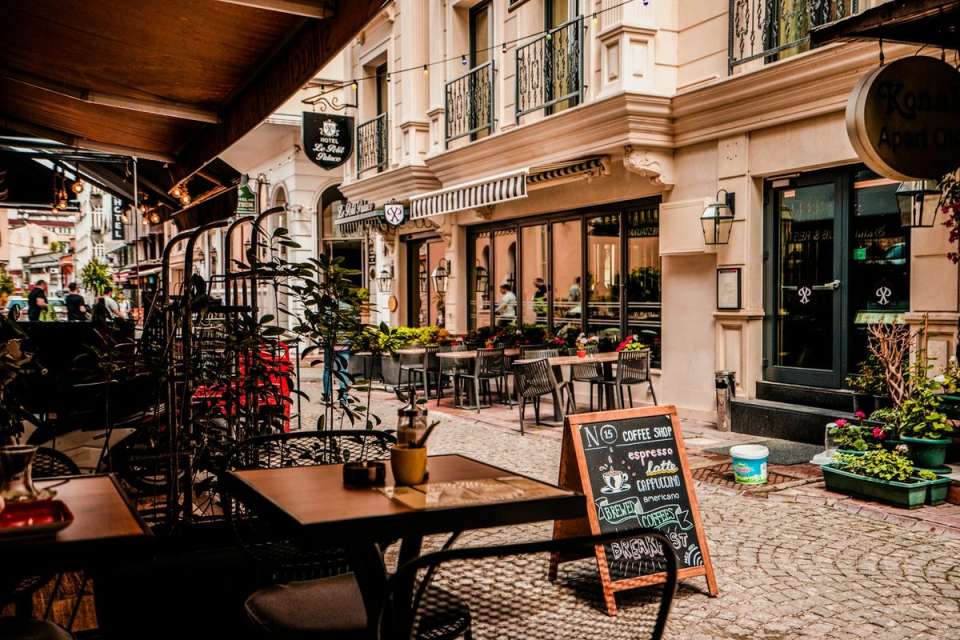
Accommodation and flight pricing responds to demand. When occupancy falls, rates fall with it, and the same room can differ substantially between the last week of peak and the first week after it. The saving is rarely marginal, and it compounds across a longer stay.
It also buys flexibility that peak season removes: rooms are available at short notice, restaurants take walk-ins, and the popular day trip is not sold out three weeks ahead.
The experience is genuinely different
- Queues at major sights shrink from hours to minutes.
- Photographs stop containing other people’s heads.
- Staff have time to talk to you, which is often where the good recommendations come from.
- Public transport is usable rather than an endurance event.
- Locals are still going about ordinary life rather than surviving a siege.
The trade-offs, honestly
Weather is the main one. Shoulder season sits next to a season for a reason, and you may get the tail of the rain or the front of the cold. Beach destinations in particular can be pleasant for walking and disappointing for swimming.
Some seasonal businesses close early or open late, especially in small resort towns where the economy runs on a few months of the year. And daylight is shorter on the autumn side, which compresses how much sightseeing fits into a day.
How to find the shoulder for a specific place
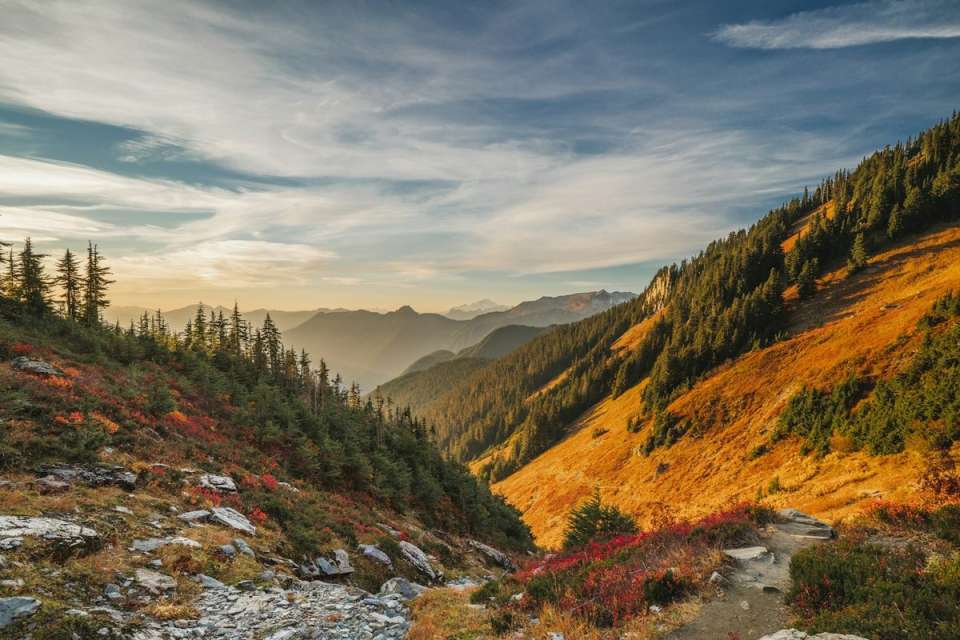
Three checks cover most destinations. Look at when school holidays fall in the countries that supply most of its visitors, since crowds follow term dates. Look at historical weather averages by month rather than forecasts. Then look at accommodation prices across a whole year on any booking site — the price curve draws the season for you more accurately than any article can.
Local festivals are the exception that breaks the pattern: a single event can create peak pricing in an otherwise quiet month.
Roughly when the shoulder falls
The exact weeks vary by country and by year, but the broad patterns are stable enough to plan around:
- Southern Europe: the weeks either side of the summer peak — late spring, and early autumn once the August crowds have gone.
- Northern Europe: a narrower window, since the pleasant season is shorter to begin with.
- Ski destinations: the weeks between the end of reliable snow and the start of the summer hiking season, when prices drop sharply and some lifts close.
- Monsoon-affected regions: the transition either side of the rains, which can mean dramatic landscapes and occasional disruption.
- City breaks: less seasonal overall, so the shoulder is often defined by conference calendars and school terms rather than weather.
Packing for uncertain weather
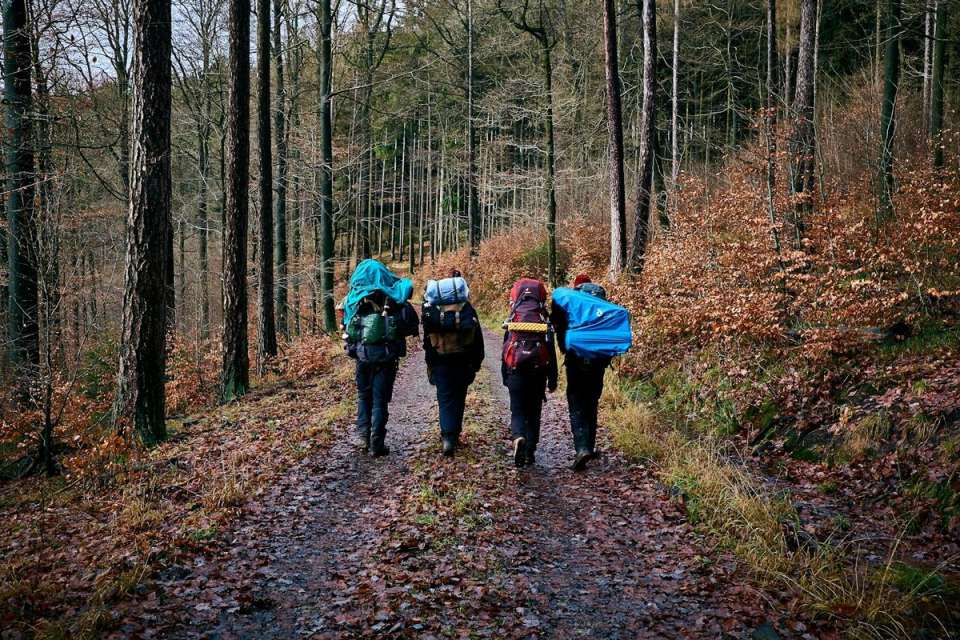
Shoulder season rewards layers over bulk. A light waterproof, a warm mid-layer and clothing that works across a ten-degree range covers most situations. Footwear that copes with rain matters more than in high summer, because the difference between a good day and a ruined one is often just dry feet.
Booking with more room to move
Lower demand means flexible rates cost less of a premium over non-refundable ones. Given that shoulder-season weather is the main risk, paying slightly more for a booking you can change is often the better trade — the opposite of the advice that makes sense in peak season.
Who it suits
Anyone not tied to school holidays: remote workers, students between terms, retirees, couples without children, anyone with flexible leave. If your dates are fixed by a school calendar, shoulder season is mostly unavailable — but the same logic still applies in miniature to days of the week and times of day.
The broader principle is simple enough. Popularity is concentrated in time as much as in place, and stepping a few weeks sideways is usually cheaper and easier than finding somewhere nobody has heard of.
Shoulder season is not a secret, only an under-used one. It asks for a little more flexibility with dates and a little more tolerance for weather, and it hands back lower prices, shorter queues and a destination behaving more like itself.