After nearly three decades, the mystery of six-year-old Morgan Nick’s abduction has finally been solved, as police announce that DNA evidence links the late Billy Jack Lynx to her disappearance.
Colleen Nick, Morgan’s mother, stood alongside law enforcement on October 1, 2024, in Alma, Arkansas, as Detective Brett Hartley revealed that a strand of hair found inside Lynx’s red Chevrolet pickup truck was positively identified as belonging to one of her children.
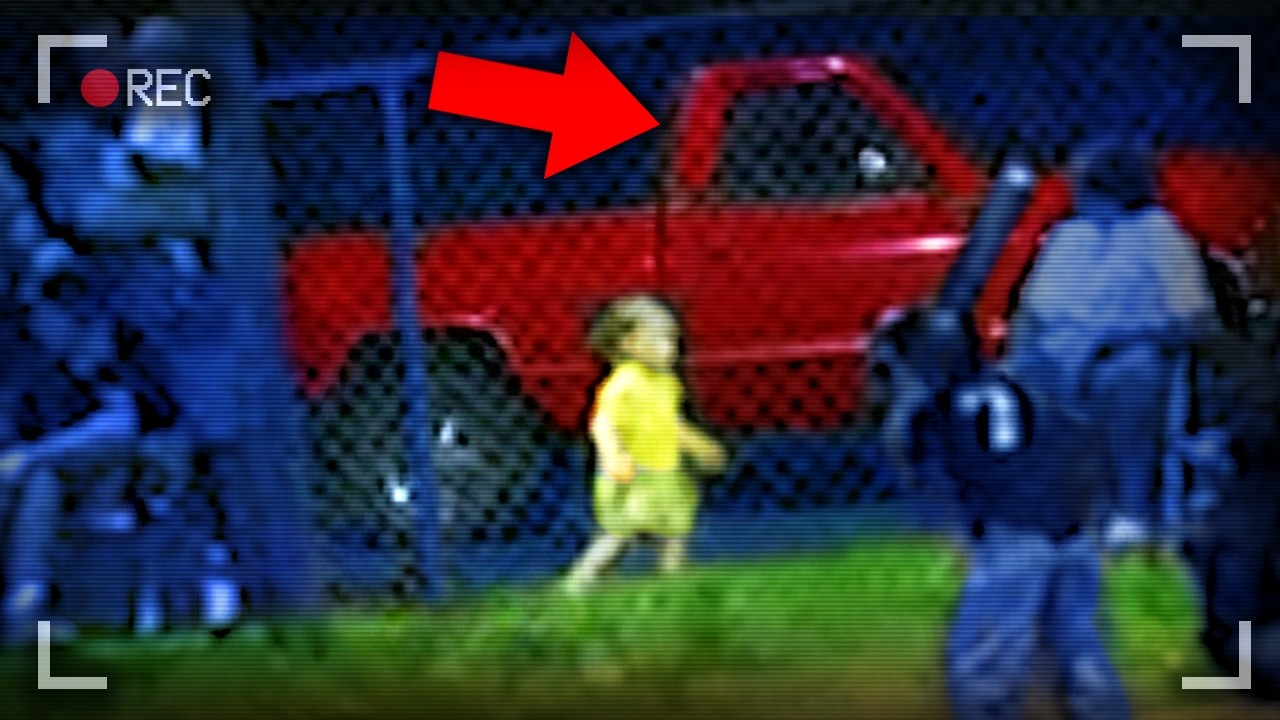 The hair was recovered from the truck’s floorboard after the vehicle was located, impounded for years, and then auctioned to a private owner. Advanced DNA testing by Othram Labs, a company specializing in cold case technology, provided the crucial match.
The announcement marks a turning point in a case that has haunted the small town of Alma for 29 years. Morgan vanished on June 9, 1995, during a Little League baseball game, last seen running toward a parking lot to catch fireflies with friends.
Witnesses that night described a red pickup truck with a white camper shell. Two children who played with Morgan told police a man leaned against the truck watching them. They recalled his scruffy beard and bare chest.
The same truck was captured on home video footage from earlier in the day, filmed by a parent at the game. That footage, reexamined years later, showed a red pickup that did not belong to any parent present.
Police initially focused on a Ford truck based on some witness descriptions, but one of the children, eight-year-old Jessica, insisted it looked like an old Chevy. The recovered truck is a 1970s Chevrolet Scottsdale, matching her account.
Billy Jack Lynx first came to police attention in August 1995, when he attempted to abduct an 11-year-old girl at a Sonic drive-in just eight miles from the baseball field. He drove a red Chevy pickup with a white camper shell.
Lynx was arrested and questioned in connection with Morgan’s case, but he passed a polygraph test at the time, and investigators cleared him. He was sentenced to six years for the attempted kidnapping and died in jail in 2000.
For nearly three decades, the case grew cold despite thousands of tips, a nationwide search, and Colleen Nick’s relentless advocacy. She founded the Morgan Nick Foundation and pushed for federal legislation requiring missing children’s photos in federal buildings.
In 2020, Detective Hartley assigned to the case reexamined old witness statements and license plate numbers that had returned no record in 1995. When he ran them again through the FBI database, he got hits linking the plates to Lynx.
The truck was located in a tow yard and later sold. Investigators retrieved it and found the original floor covering beneath the carpet. Underneath, they discovered a blond hair that had been missed during the initial 1995 search.
The hair was sent to the FBI for analysis, but the results came back inconclusive due to damage. For three years, the evidence sat until Colleen Nick learned about Othram Labs and urged detectives to try again.
Othram’s new DNA extraction and analysis techniques succeeded where earlier methods failed. The hair’s mitochondrial DNA was sequenced, showing it matched either Colleen Nick, one of her other children, or Morgan herself.
The lab report, received on September 27, 2024, stated the hair came from a maternal relative of Colleen. Given the timeline and circumstances, investigators concluded Morgan had been inside Lynx’s truck.
 Morgan’s body has not been found. Police continue to investigate whether Lynx acted alone or had accomplices. They also search for any potential burial sites based on new leads generated by this breakthrough.
Colleen Nick spoke at the press conference, her voice steady but emotional. She said Lynx stole Morgan from her but did not win because their love outlasted his life. She emphasized the fight for justice continues.
The community of Alma has maintained hope over the years. The police department dedicated an entire room to storing leads from across the country. Neighbors, volunteers, and strangers kept the case alive through benefits, billboards, and prayers.
Colleen Nick often reflected on the night Morgan disappeared. She had hesitated to let her daughter go catch fireflies, feeling it was too dark and too late. But other parents reassured her, and she relented.
Morgan hugged her mother, kissed her cheek, and ran toward the parking lot. Minutes later, the game ended, and the two friends returned without her. Colleen searched frantically among the cars before calling police.
Sergeant Harris arrived within minutes. He found Colleen frantic and the two children shaken. They described a man leaning against his red truck, watching them play near a pile of sand where they stopped to empty their shoes.
The children said Morgan was sitting by the back of the truck when they left. They assumed she was following but she never reappeared. That was the last confirmed sighting of Morgan Nick.
The initial search involved state police, the FBI, and hundreds of volunteers. Helicopters, dogs, and officers combed the area. But the trail went cold quickly, and within 48 hours, the case shifted to a recovery operation.
In the weeks that followed, a man named Albert Harvey falsely reported seeing Morgan in a wooded area 200 miles away. Police mounted a massive search, and Colleen was flown in, only to learn it was a hoax.
Harvey was charged with filing a false report, but the damage was done. Colleen’s hopes were crushed, yet she refused to give up. She appeared on national television, including America’s Most Wanted, and kept Morgan’s face in the public eye.
Years passed. Other suspects emerged, including Charles Ray Vines, a convicted murderer who operated near the abduction site. Vines denied involvement and passed a polygraph.
Police found no evidence linking him to Morgan.
 The case grew cold, but Colleen never stopped. She transformed her pain into action, founding the Morgan Nick Foundation to support other families and train law enforcement in child abduction response. Her work led to the creation of CART teams in Arkansas.
In January 2020, the CART team helped locate six-year-old Julian Boyd just hours after he went missing following his parents’ murder. Colleen’s program proved its worth, saving lives while she continued searching for her own daughter.
Detective Hartley’s reexamination of the case in 2019 marked a turning point. He interviewed witnesses who had not been fully followed up on. He mapped all sightings of the red truck on the day of Morgan’s disappearance.
The map showed a clear pattern: the truck was seen near the laundromat earlier that day, then near the homes of young children, then near the baseball field, and finally near the river within minutes of the abduction.
Teenagers parked by the river reported seeing the truck arrive and a man holding a child down in the front seat. They gave this information the next day, but heavy rains had flooded the area, washing away any evidence.
The license plate numbers provided by these witnesses had been entered into a state database in 1995 but returned no records. Hartley discovered they had never been checked against the FBI’s national database for obsolete or non-current plates.
When he did, they came back to Billy Jack Lynx. The truck was registered to him, and his criminal record included the attempted abduction at the Sonic. The pieces of the puzzle finally clicked into place.
Lynx’s truck had been searched in 1995. Duct tape, a tarp, rope, and a machete were found inside. Blood and hair samples were collected but not tested due to the limitations of DNA technology at the time.
After Lynx’s death, the truck sat in a tow yard for years before being auctioned. When Hartley’s team located it, they were surprised by its condition. The camper shell was gone, but the truck retained its original floor covering.
The hidden hair beneath that covering was the key. Othram’s analysis provided the match that earlier FBI testing could not. The lab used a method called mitochondrial DNA sequencing, which is more robust for degraded samples.
The result placed Morgan in the truck. Investigators now believe Lynx abducted her from the baseball field parking lot, likely using the camper shell to conceal her. Her remains have not been located, but the search area may now be narrowed.
Colleen Nick has publicly stated that she always believed Morgan survived, but she acknowledges the statistical reality. She continues to fight for other missing children and push for changes in how law enforcement handles abduction cases.
 The Morgan Nick Foundation has grown into a national resource. It provides training, support, and advocacy. Colleen often speaks about the guilt she carried for letting Morgan go chase fireflies, but she now uses that story to educate parents.
She says fireflies have become a symbol of hope, a light in the darkness. She urges parents not to let fear stop their children from enjoying childhood, but also to trust their instincts and advocate for safety.
The Alma Police Department has pledged to continue investigating. They are reviewing all of Lynx’s known associates, his travel history, and any properties he had access to. The goal is to bring Morgan home, even if only to give her a proper burial.
The case of Morgan Nick has drawn national attention once again. News outlets have picked up the story, and the public is urged to come forward with any information about Billy Jack Lynx or the red Chevrolet pickup.
For the first time in 29 years, Colleen Nick has a name and a face to focus her anger and grief. But she insists that her fight is not about revenge. It is about ensuring no other family endures what hers has.
She has been in contact with the families of other missing children, offering support and sharing the lessons she learned about persistence and the importance of never giving up. Her advocacy has changed policies at the state and federal level.
The executive order signed by President Clinton, mandating missing children posters in federal buildings, was a direct result of her lobbying. She has met with multiple presidents and continues to push for legislative changes.
Colleen Nick’s message to parents is clear: listen to your gut, teach your children about safety, and never stop fighting if the unthinkable happens. She says hope is not naive; it is a weapon.
Detective Hartley, who has worked on the case for five years, described the moment he saw the DNA report. He said he felt a mix of relief and sorrow. Relief that they finally had an answer, sorrow for Morgan and her family.
The truck itself has been processed thoroughly. Investigators are now using ground-penetrating radar and other technology to search areas where Lynx lived or traveled. They believe he may have buried Morgan somewhere near the river.
The 1995 flood that obliterated the riverbank scene may have moved remains, but new search methods offer hope. Colleen has been briefed on the search plan and remains involved in every decision.
The public response to the news has been overwhelming. Thousands of people have reached out to the Morgan Nick Foundation to express support and share memories of the case. Many remember seeing the billboards and flyers over the years.
The foundation is planning a memorial event to honor Morgan and celebrate the persistence of those who never gave up. Colleen says she will keep fighting until Morgan is home, in whatever form that takes.
This breaking story continues to develop. Stay with us for updates as authorities provide more details on the investigation, potential charges against any living accomplices, and the ongoing search for Morgan Nick.