The night before his fifth birthday, Piqui Andressian was asleep in the back of his father’s car, dreaming of Disneyland, when his own father—the man who should have protected him—stopped the vehicle, pulled him from his car seat, and used the boy’s own sweatshirt to snuff out his life. Aramazd Andressian Sr. smothered his son once, then again when the child’s body continued to twitch.
He then drove to a remote mountain overlook near Lake Casitas, dressed the lifeless boy in fresh pajamas, and left him under a tree with only shrubbery to cover him. For two months, while searchers combed the wilderness and his ex-wife pleaded for answers, Andressian partied in Las Vegas, went skydiving, and bleached his hair.
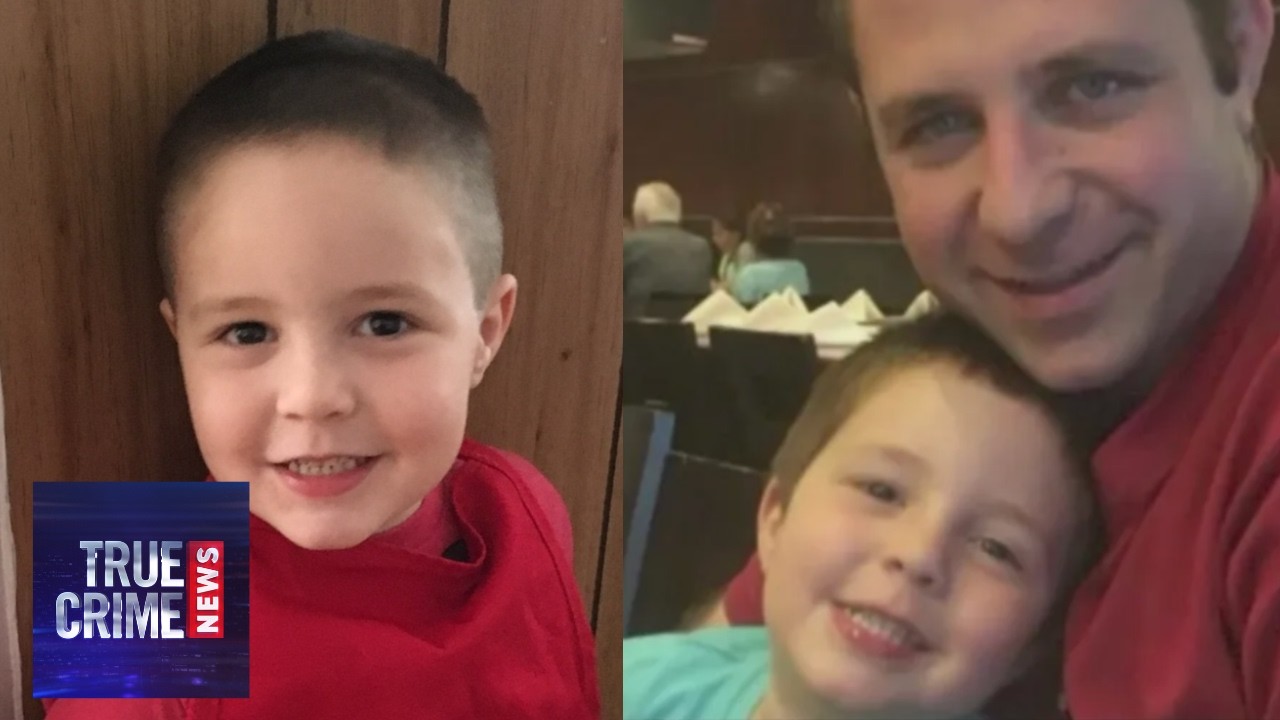 The gruesome confession came only after detectives had arrested him on a no-body murder charge and broken down his defiance. In a stunning turn, Andressian offered no plea deal, no promise of leniency—just a cold recitation of what he had done. The child he called “Piqui,” a bright ray of sunshine who loved the song “You Are My Sunshine,” was deliberately and systematically killed.
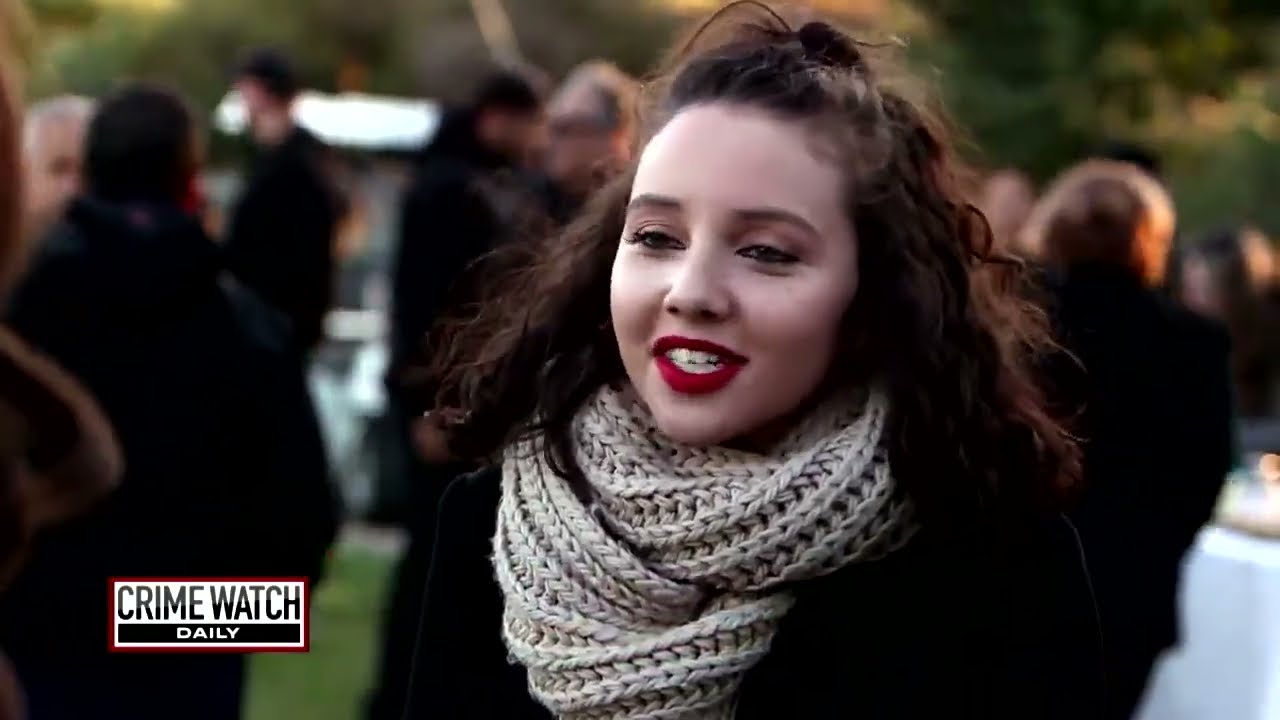
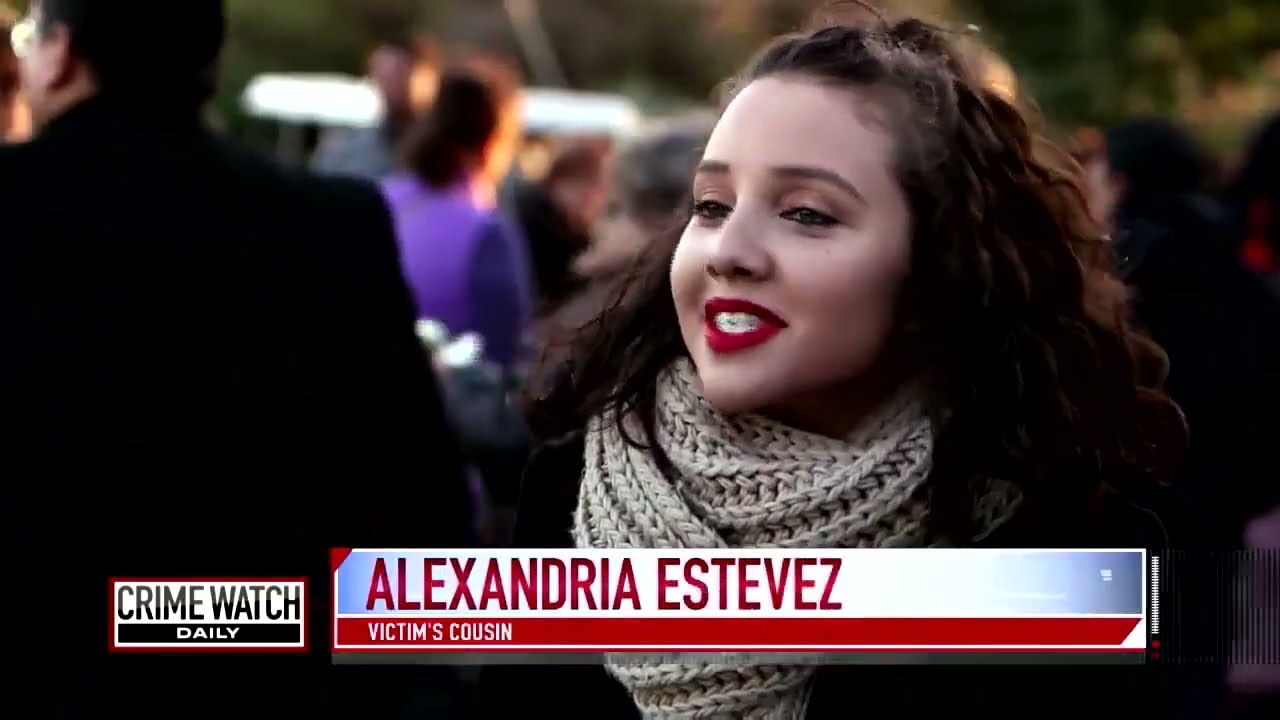
Anna Estevez, Piqui’s mother, had fought for years to protect her son. She had endured five miscarriages and thousands of dollars in in-vitro treatments to bring him into the world. When her marriage to Andressian soured, she insisted on exchanging the child at police stations.
She even installed a dashcam in her car to record every handoff. But on the morning of April 21, 2017, when Andressian was supposed to return Piqui after a week-long trip to Disneyland, neither father nor son appeared.
Anna waited hours at the designated drop-off point in San Marino. Panic set in. She reported her son missing.
Hours later, police found Andressian Sr. semi-conscious in a parking lot in South Pasadena, his hands scratched, his fingernails caked with dirt, and his BMW doused in gasoline with a rag sticking out of the gas cap. Two gas containers sat inside the car.
A child’s sweatshirt with a white film—later determined to be vomit—was found. And on the dashboard, placed deliberately near the radio, lay an ultrasound image of Piqui.
Detectives quickly realized this was no accidental disappearance. Andressian’s behavior told the story. He never asked about his son’s condition.
He turned the focus on Anna, calling her a possible suspect. He complained about the media coverage, comparing himself to Casey Anthony. He said, “I bet they think of me like some kind of Casey Anthony,” and then added he was “probably all over the news by now.”
 Cell phone records showed Andressian had turned off his phone before the Disneyland trip. No pings. No evidence of the boy’s location.
Internet searches on his computers revealed he had been looking up wilderness areas in Santa Barbara County days before the trip. He had created a will. He had packed knives, a lantern, and extra gasoline.
For two months, detectives built a case with no body, no DNA, and only circumstantial evidence. They tracked Andressian’s movements. He partied in Las Vegas, went to a boxing match at T-Mobile Arena, used prostitutes, took prescription drugs, and went skydiving.
He never searched for his son. He never expressed concern. Instead, he taunted investigators: “You spent $7 million and you still can’t find him.”
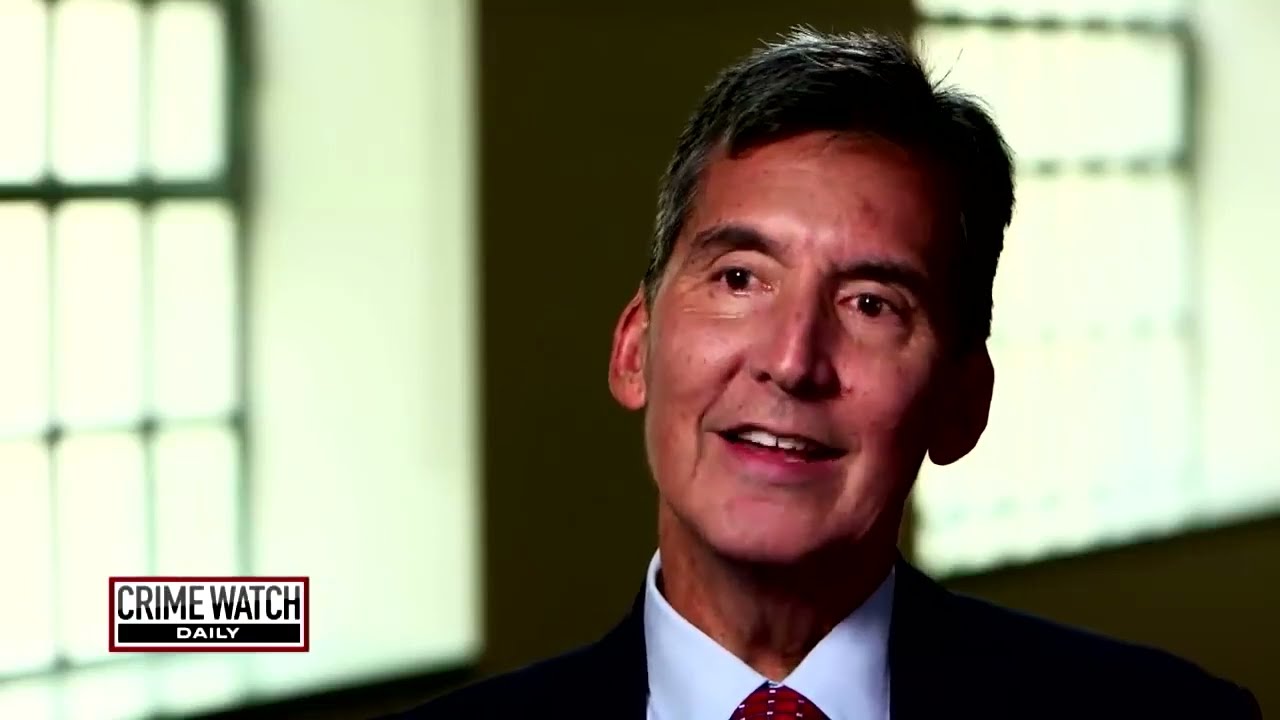
Detectives Lou Aguilera and Mark Boysford worked tirelessly. They obtained surveillance footage from Lake Casitas showing Andressian alone at 8 a. m.
on the morning of April 22—hours after leaving Disneyland with his son. The boy was never seen on any camera. Andressian had driven five hours from Anaheim to the remote lake area, where detectives believe he murdered his child and hid the body.
On June 23, 2017, police arrested Andressian in Las Vegas on a no-body murder charge. He was hostile, calling officers “animals.” He had bleached his hair and applied for a passport, leading authorities to believe he planned to flee to Iran or Russia.
 But once back in Los Angeles County, his defiance crumbled. In a 𝓈𝒽𝓸𝒸𝓀𝒾𝓃𝑔 move, he waived his rights and confessed.
“The manner in which he killed him was particularly cruel,” one detective said. “His son was asleep in a car seat. His father stops the car, gets out, and uses the boy’s sweatshirt to smother him.
When he let go, the child’s body was still twitching, so he smothered him again.”
Andressian then drove to a vista point near Bradford Dam, changed Piqui into pajamas, and laid him under a tree with shrubbery covering him. He told detectives exactly where to find the body. They did.
At his sentencing, Piqui’s family flooded the courtroom. Anna Estevez delivered a searing victim impact statement: “Aramazd Andressian Sr. , I pity you.
You are a failure as a father. You are a failure as a man. And you are a failure as a human being.
I hope you relive the image of you murdering my baby every day for the rest of your insignificant life. And when you die, may your dark soul burn in the eternal flames of hell.”
 Andressian, who had earlier asked to be removed from a suicide vest because it was “embarrassing,” declined to speak. His attorney attempted to argue that his client’s quick guilty plea showed good faith, but the judge was unmoved. The sentence: 25 years to life in state prison for first-degree murder.
Anna Estevez turned her grief into action. She publicly condemned the child welfare system that denied her request for full custody despite her repeated warnings about Andressian’s behavior. “How dare you say that Aramazd Andressian kicking my son on his bottom and pinching his cheeks and yelling in his face that he was a bad boy was not enough to change custody?”
she said. “That it was simply bad parenting?”
She planted a tree and placed a stone in memory of Piqui, vowing to keep his legacy alive. “He’s a bright, beautiful ray of sunshine in the lives of everyone who met him, and even those who haven’t, because he’s brought a lot of love to a lot of people,” she said.
The case remains a haunting example of a child’s dream trip turned into a nightmare—a father’s calculated plan to destroy the mother he hated, and a 5-year-old boy who only wanted to go to Disneyland. Piqui Andressian’s body was found under a tree, but his smile still radiates in the memories of those who loved him.
Investigators believe Andressian’s obsession with revenge led him to murder his own son. He wanted to hurt Anna Estevez irreparably, and he succeeded. But Anna, despite her pain, refused to let him win.
“He has hurt me eternally,” she said. “But I will not allow him to make me lose my soul or forget what I plan to do to keep my precious son’s memory alive.”
The story of Piqui Andressian is a warning about the dark side of custody battles, the failures of the system, and the lengths a parent will go to for vengeance. It is also a testament to a mother’s relentless love and a community’s determination to find justice for a child who was, and always will be, a ray of sunshine.