The final hours of Taberon Honie’s life were measured not in the days or weeks that had consumed his final appeals, but in the quiet, deliberate moments he chose to spend with his family. On August 8, 2024, at 12:25 a. m.
, the state of Utah carried out its first execution in more than 14 years, ending the life of a man who had spent a quarter of a century on death row for the brutal murder of his girlfriend’s mother, Claudia Benn. Honie, 48, was pronounced dead by lethal injection at the Utah State Correctional Facility, closing a chapter that began on a summer night in 1998 when a quiet Cedar City neighborhood was shattered by violence. His last words, spoken calmly from the execution chamber, were a mixture of apology, encouragement to fellow inmates, and a final “I love you” directed toward the window where his family watched.
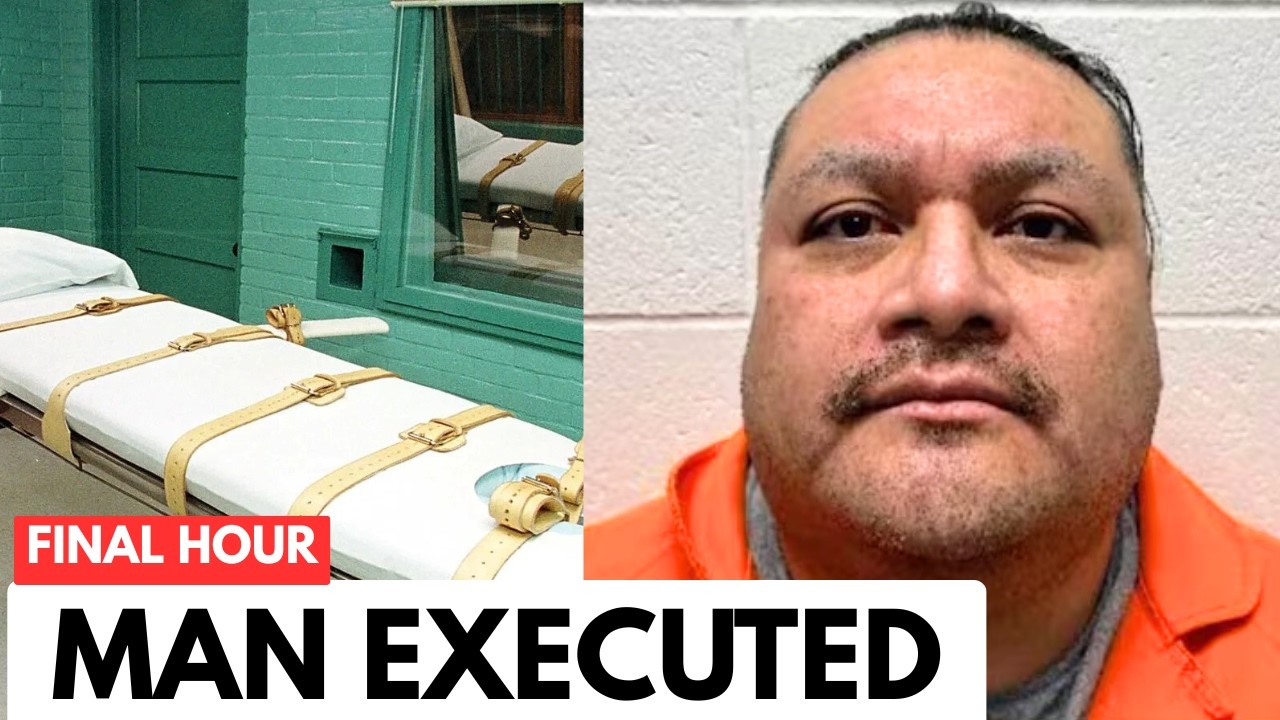 The scene inside the death chamber reflected the impossible weight of a case that had torn two families apart, each carrying their own understanding of justice.
Honie’s execution was the culmination of a legal odyssey that spanned 25 years, shaped by debates over his mental state, the role of alcohol, and the very method by which the state would end his life. The crime itself remains seared into the memory of those who investigated it: On July 10, 1998, Honie broke into the home of Claudia Benn, his ex-girlfriend’s mother, after threatening harm if she did not come to him. Inside, Benn, a 49-year-old substance 𝓪𝓫𝓾𝓼𝓮 counselor, grabbed a kitchen knife to defend herself, but Honie overpowered her.
Her throat was slashed four times, wounds so deep they reached her backbone. Three grandchildren, including Honie’s own young daughter, were present in the house. Two of them were found with blood on them when police arrived.
The scene was one of unimaginable horror, and it set in motion a case that would long outlive both the victim and the perpetrator.
From the outset, Honie’s defense argued that his state of mind on that night was profoundly impaired by alcohol, a substance he had consumed since the age of five. Born into poverty as a member of the Hopi tribe, Honie had suffered multiple head injuries as a child and had a lifelong struggle with addiction. His attorneys contended that his capacity to form intent was compromised.
The prosecution countered that his actions—the phone call, the threat, the deliberate breaking of the glass door—demonstrated planning and awareness. A jury quickly convicted him of aggravated murder and, in May 1999, sentenced him to death. He was 23 years old.
The appeals that followed would test the limits of the legal system, the patience of the victim’s family, and the very definition of justice.
The years on death row were not silent. Honie pursued every legal avenue, filing appeals that challenged his conviction and his sentence. His legal team highlighted the role of his childhood trauma and alcoholism.
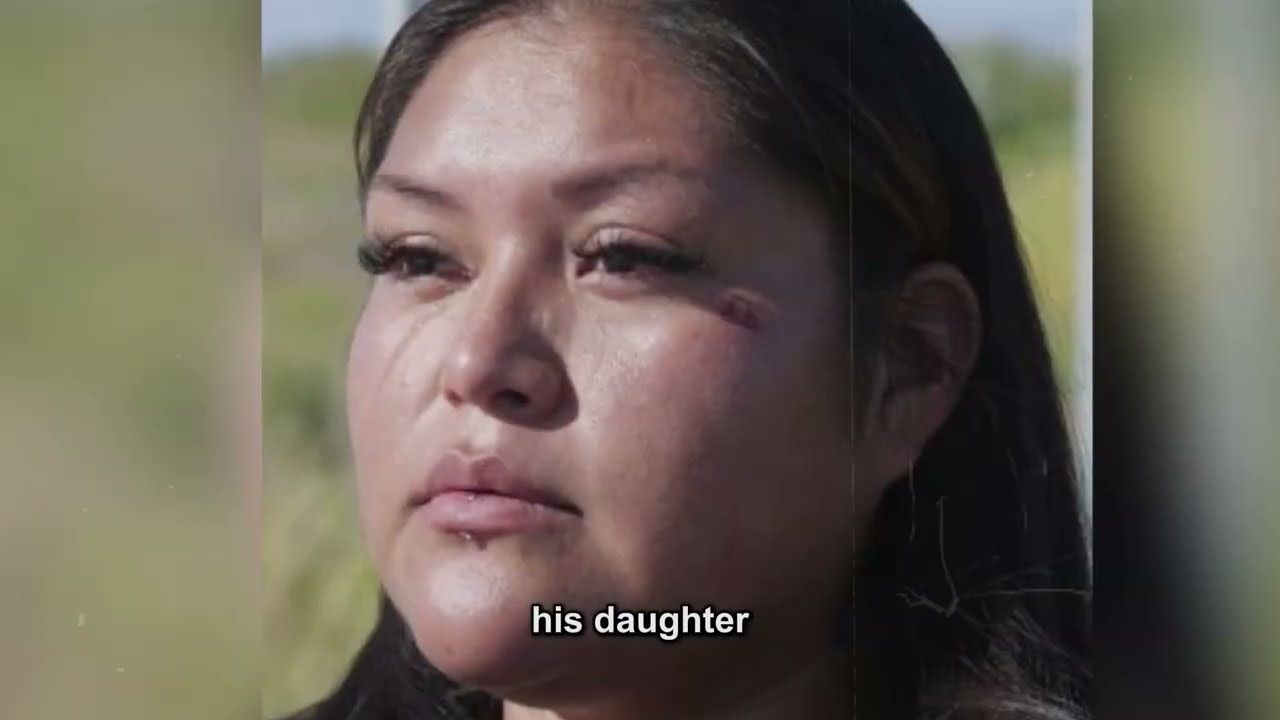
Meanwhile, the family of Claudia Benn attended every hearing, every proceeding, waiting for the sentence to be carried out. Honie’s own daughter, who had been in the house that night, pleaded for his life to be spared, creating a painful rift between those who sought closure through execution and those who saw redemption as possible. By 2024, the state had set a date, but the method of execution became the final battleground.
Originally, Utah planned to use an untested three-𝒹𝓇𝓊𝑔 cocktail of fentanyl, ketamine, and potassium chloride. Honie’s attorneys filed an emergency appeal, arguing that the experimental protocol could cause severe, hidden pain—what they called cruel punishment. In a rare move, the state agreed to switch to a single dose of pentobarbital, a barbiturate that Honie’s own legal team had suggested as more humane.
Utah purchased three doses at a cost of $200,000, but only one was used. The total cost of the execution, including staffing and security but not legal fees, exceeded $288,000. Under a new state law, the identities of everyone involved in the execution were kept secret.
Two days before his death, Honie appeared before the Utah Board of Pardons and Parole for a final clemency hearing. He did not deny the crime. “Yes, I’m a monster,” he said.
But he added “The only thing I know 100% is this would never happen if I was in my right mind.” The board denied his request. On his last full day, August 7, Honie refused a tablet to watch movies.
 Instead, he spent nearly 10 hours talking with his family through a glass partition in an observation cell. Staff described him as calm and grateful. He ate a last meal of a cheeseburger, fries, and a milkshake, but asked that it not be remembered as his last.
That honor, he said, belonged to a meal he had shared with his family days earlier.
At around 8:30 p. m. , a deputy warden told Honie it was time for final goodbyes.
Both families—Claudia Benn’s and Taberon Honie’s—gathered in the witness area. The first dose of pentobarbital was administered at 12:04 a. m.
on August 8. A second dose followed at 12:13 a. m.
At 12:21 a. m. , Honie flatlined.
 Before the drugs took effect, he made his final statement: “From a start, it’s been. If it needs to be done for the victims’ families to heal, let’s do this. If they tell you you can’t change, don’t listen to them.
To all my brothers and sisters here, continue to change. I love you all. Take care.”
He thanked the prison director and warden for caring for his family. Then he turned toward the window where his family was watching and said, “I love you.”
His family was allowed into the execution chamber to perform a spiritual ceremony over his body. At 12:25 a. m.
, the medical examiner officially pronounced him dead. For Claudia Benn’s family, the execution marked the end of a 26-year wait for justice. For Honie’s daughter, it was the loss of a father she had fought to save.
The case, with its layers of trauma, addiction, grief, and mercy, leaves behind no easy answers. Claudia Benn, a woman who dedicated her life to helping others heal from addiction, was gone in one violent night. Taberon Honie, a man shaped by a broken childhood and a lethal dependency, was gone after 25 years on death row.
What remains is the painful truth that justice, for those who seek it, is never clean. The state of Utah closed its book on this case, but the questions it raised will continue to echo.