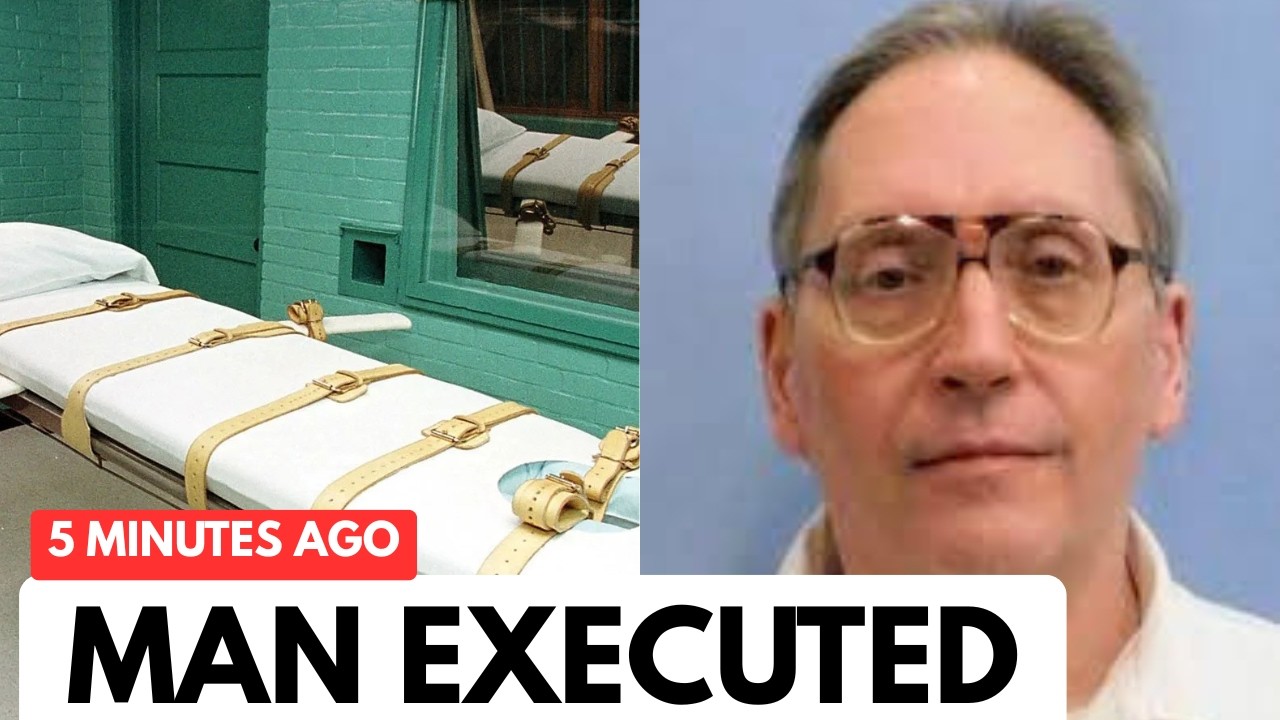
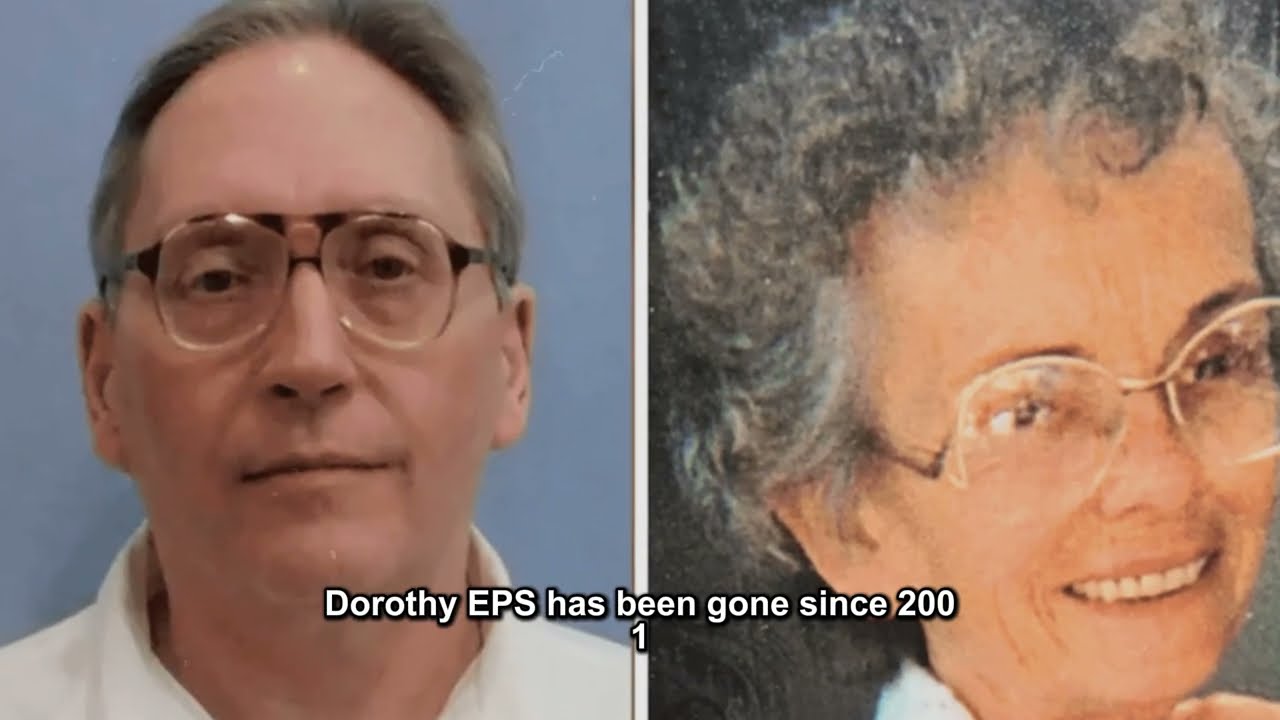
Holman Correctional Facility in Atmore, Alabama became the site of the state’s first successful execution by lethal injection in over a year early Friday morning, as James Edward Barber was pronounced dead at 1:56 a.m. after spending 22 years on death row for the 2001 murder of 75-year-old Dorothy Epps.
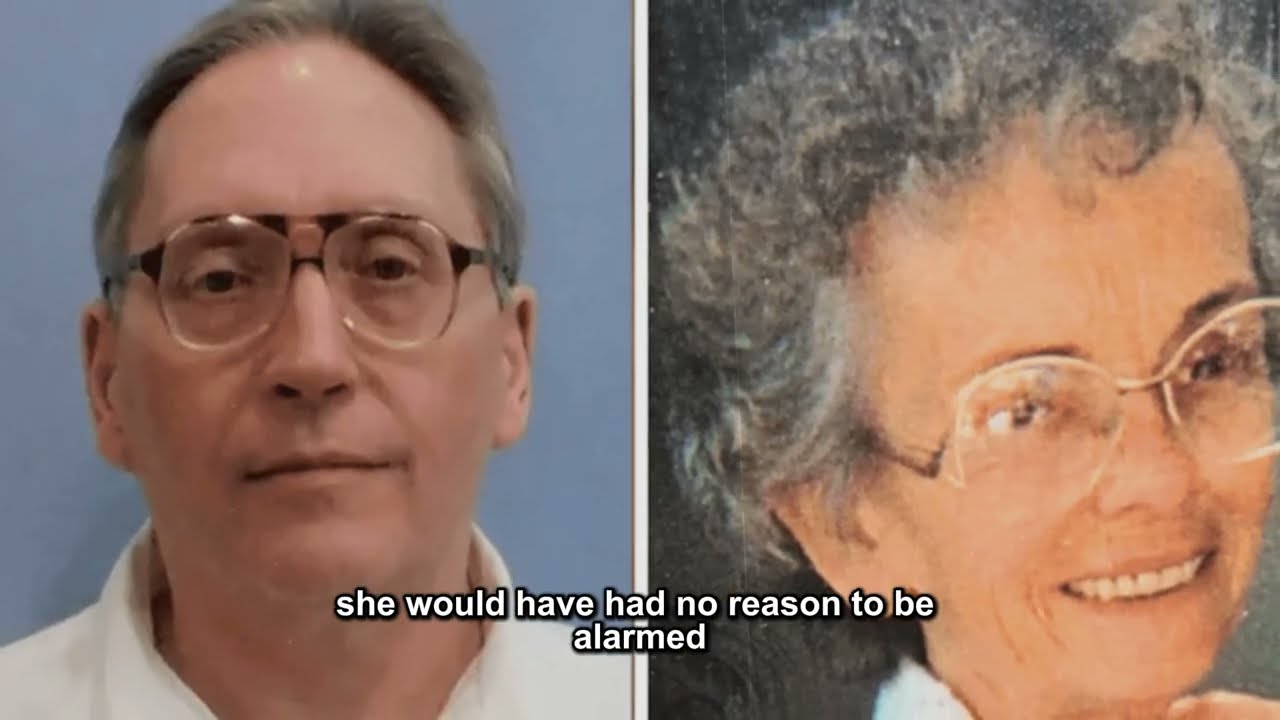
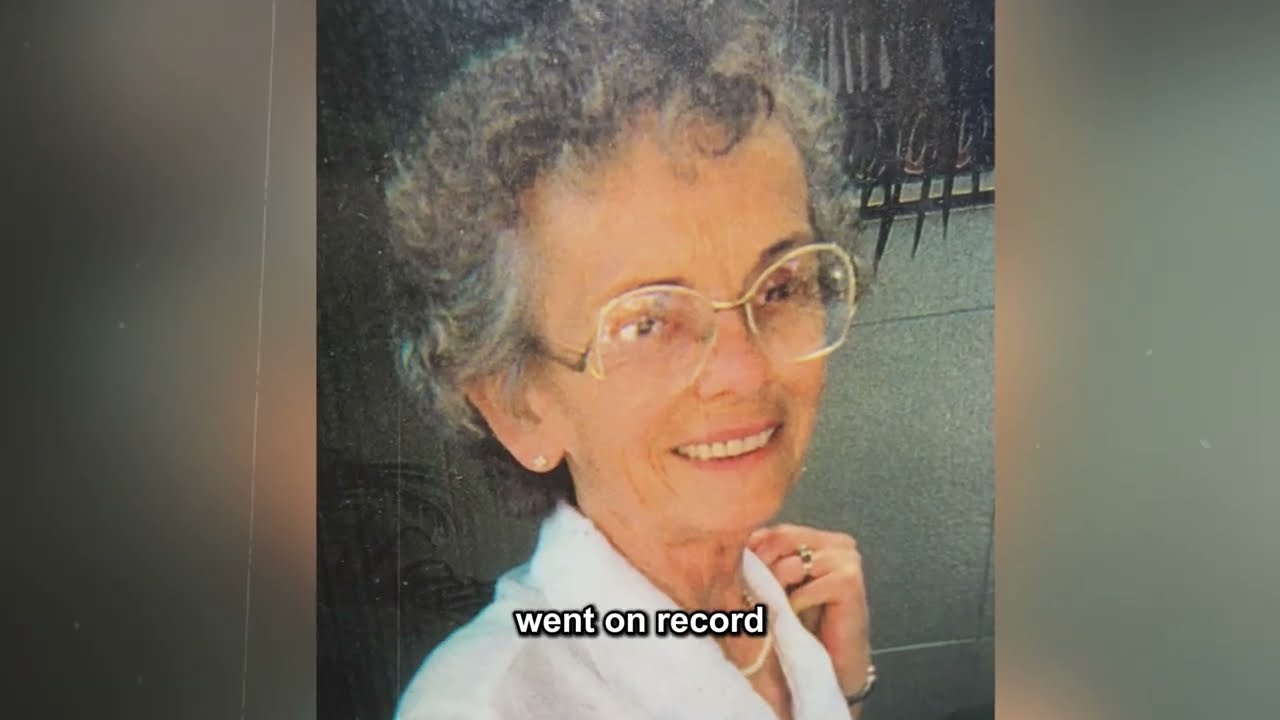
Barber, 56, was convicted of capital murder in the brutal killing of Epps, a woman he knew through a past relationship with her daughter and for whom he had done repair work. On the night of May 20, 2001, Barber arrived at Epps’s home in Harvest, Alabama, in a state of extreme intoxication, having consumed large quantities of alcohol, crack cocaine, and prescription pain medication. Despite his impaired condition, Epps opened her door to him without suspicion.
 Inside the home, a violent struggle ensued. Epps suffered severe trauma while attempting to defend herself. Barber later admitted he went there looking for money and fled the scene with her purse.
He was arrested days later and gave a detailed, videotaped confession in which he called the crime “senseless and stupid” and said he deserved to be put to death. The confession became the cornerstone of the prosecution’s case.
At trial, a jury convicted Barber of capital murder and recommended the death penalty by an 11-1 vote. Under Alabama’s since-repealed judicial override law, the judge imposed the death sentence. Barber was sent to death row at Holman Correctional Facility, where he remained for over two decades.
During his time on death row, Barber underwent a documented religious conversion, describing in letters how he “reached rock bottom” and found peace through faith. In a remarkable development, Dorothy Epps’s granddaughter, Sarah Gregory, reached out to Barber years after the murder to extend her forgiveness. The two began a correspondence, and Gregory publicly opposed Barber’s execution.
As his execution date approached, Barber’s legal team mounted a challenge not to his conviction but to the method of execution. Alabama had botched three consecutive lethal injections in 2022, including one that took over three hours and two that were called off due to inability to establish IV lines. Barber’s attorneys argued that his higher body mass index made him especially vulnerable to such failures and that the state had an approved alternative method, nitrogen hypoxia, which it had not yet implemented.
 They contended that proceeding with lethal injection violated the Eighth Amendment’s prohibition on cruel and unusual punishment.
Federal courts denied a stay. The U. S.
Supreme Court declined to intervene in a 6-3 vote, with Justices Sotomayor, Kagan, and Jackson dissenting. Sotomayor wrote that the decision was “another troubling example of this court stymieing the development of Eighth Amendment law.”
On the day of his execution, Barber received 22 visitors and made two phone calls. He refused breakfast but later ate his final meal: loaded hash browns, a western omelet, spicy sausage, and toast. Before being moved to the execution chamber, he and those present sang “When the Saints Go Marching In” and “Amazing Grace” at the request of a prison staff member.
 In his final words, Barber addressed Dorothy Epps’s family first, saying, “I love them. I’m sorry for what happened. I truly am.
I can’t apologize anymore. No words would fit.” He then turned to officials in the room, including Governor Kay Ivey, and said, “I forgive you for what you’re about to do.”
After his last words, a spiritual adviser remained at his side as the drugs were administered. Witnesses reported that his eyes closed, his abdomen pulsed, and his breathing slowed until it stopped. Some witnesses described signs of distress, but officials disputed those accounts.
Before his death, Barber prepared a written statement in which he expressed hope that the way he lived his life would serve as a testimony of regret and shame. “I don’t know if I’ve succeeded. That’s not for me to judge,” he wrote.
 Alabama Attorney General Steve Marshall released a statement saying, “Justice has been served. This morning, James Barber was put to death for the terrible crime he committed over two decades ago, the especially heinous, atrocious, and cruel murder of Dorothy Epps.”
Barber’s execution marks the first successful lethal injection in Alabama since the series of botched attempts in 2022, reigniting national debate over execution protocols and the constitutionality of the method. Dorothy Epps’s family waited more than 22 years for this moment. Her granddaughter, Sarah Gregory, who forgave Barber, had publicly opposed his execution, offering a different view of justice.
The case leaves behind a complex legacy of crime, punishment, forgiveness, and the ongoing questions surrounding capital punishment in America.