In a haunting conclusion to a tragic chapter, Matthew Lee Johnson was executed by lethal injection on May 20, 2025, exactly 13 years after the horrific crime that claimed the life of 76-year-old Nancy Harris. As the clock struck 6:00 PM, the echoes of his past actions reverberated through the walls of Huntsville State Penitentiary.
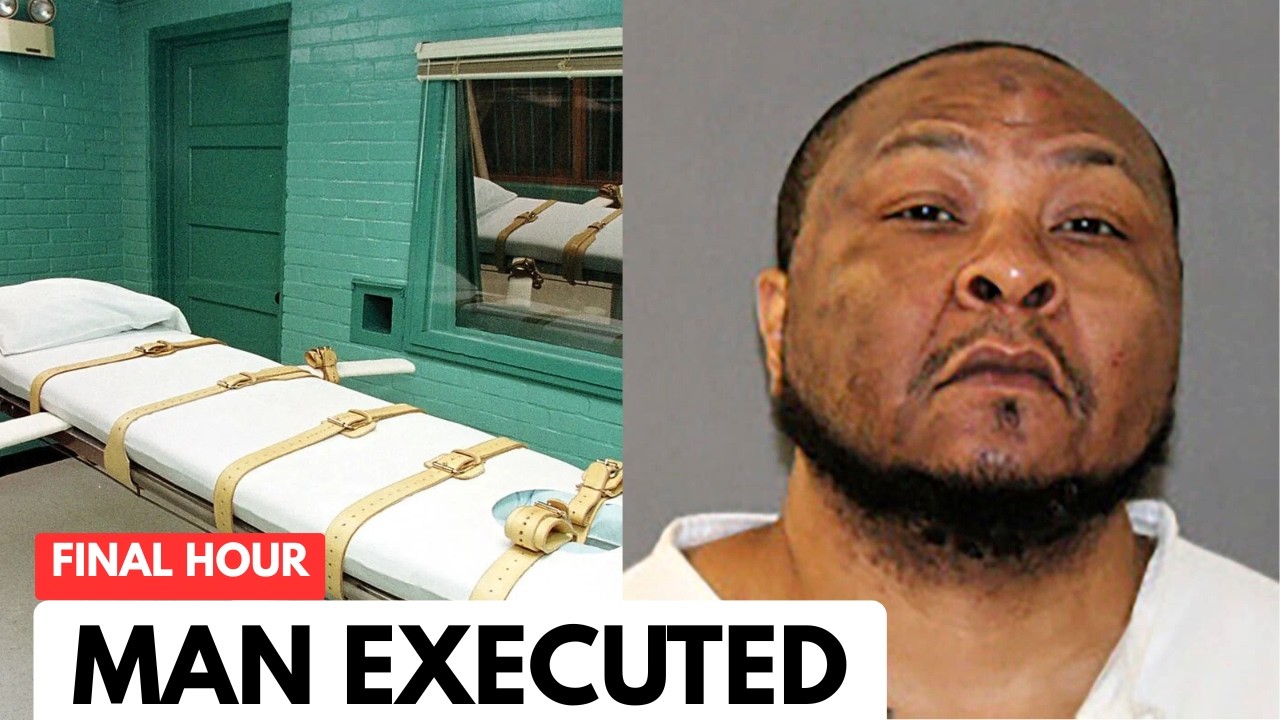
The story begins on a fateful Sunday morning in May 2012. In Garland, Texas, Nancy Harris was preparing to open her neighborhood gas station, a routine she had followed countless times before. Known for her kindness and warmth, she was a beloved figure in the community, a great grandmother who brightened the days of those around her.
However, that day took a dark turn when Matthew Johnson, then 36, entered the store with a water bottle filled with lighter fluid and a cigarette lighter. What followed was an act of violence that would forever haunt the community. Johnson doused Nancy with the flammable liquid and, in a chilling moment, ignited it, leaving her engulfed in flames. As she struggled for her life, Johnson callously grabbed candy bars on his way out, a detail that has left many questioning his humanity.
Despite the immediate response from a nearby police officer who extinguished the flames, Nancy suffered horrific injuries and succumbed to her wounds five days later. Investigators quickly identified Johnson through surveillance footage and witness accounts, leading to his arrest shortly after the crime.

During his trial in 2013, Johnson did not contest his guilt. He openly admitted to his actions, expressing remorse and acknowledging the gravity of his crime. His defense painted a picture of a man battling addiction and trauma, but the jury ultimately found him guilty of capital murder, sentencing him to death.
The years that followed were filled with legal battles. Johnson’s attorneys filed numerous appeals, arguing that he had transformed during his time on death row, engaging in faith-based programs and maintaining family connections. However, each appeal was denied, and the courts upheld his sentence.

In a final attempt for clemency, Johnson’s legal team submitted a petition to the Texas Board of Pardons and Paroles, highlighting his alleged rehabilitation. Yet, their plea was met with a unanimous rejection just days before his execution.
On the day of his death, Johnson was not granted a special last meal, receiving the standard prison fare instead. As he faced his final moments, he reflected on his life, expressing remorse for the pain he had caused Nancy’s family and his own.

In the execution chamber, surrounded by witnesses, including Nancy Harris’s family, Johnson offered heartfelt apologies. He requested forgiveness, acknowledging the weight of his actions and the irreversible loss they had caused. His final words were a somber reminder of the choices that led him to this moment, as he expressed hope for redemption in the afterlife.
As the lethal injection took effect, Johnson’s life came to an end at 6:53 PM. Outside the prison, reactions were mixed, with some viewing the execution as justice served while others questioned the morality of the death penalty itself.
The story of Matthew Johnson and Nancy Harris serves as a stark reminder of the complexities surrounding crime, punishment, and the human capacity for change. As discussions about justice and forgiveness continue, one question remains: can true healing ever be achieved in the wake of such profound loss?