Geoffrey Todd West was executed on September 25th, 2025, in Alabama for the 1997 murder of gas station clerk Margaret Parish Berry, despite her son, Will Berry, publicly forgiving him and pleading for his life. This extraordinary case challenges notions of justice, remorse, and forgiveness in capital punishment debates.
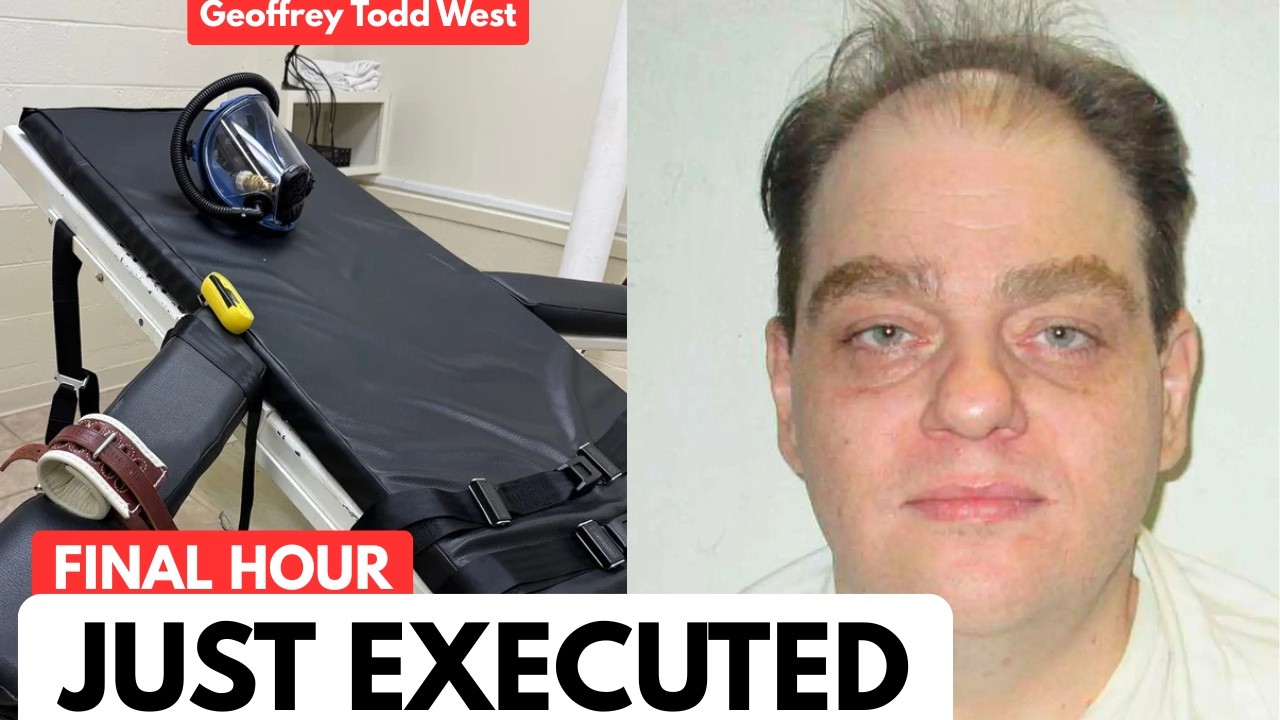 In the early hours of March 28th, 1997, 21-year-old Jeffrey Todd West entered Harold’s Chevron station in Etowah County, Alabama, armed with a .45 caliber handgun. His target: Margaret Parish Berry, a 33-year-old mother of two working a regular shift. West knew the layout, having worked there before, and came prepared.
West had openly declared his plan: to rob the station and leave no witnesses. That chilling premeditation would end in tragedy. He forced Margaret Berry to the floor, took $250 from a cookie can, then shot her in the back of the head. She never rose again, and two young boys were left motherless.
Investigators quickly connected West to the crime, aided by eyewitness accounts and incriminating statements from West himself. His girlfriend, Amy Pierce, was also implicated, pleading guilty and receiving 35 years. West was charged with capital murder, a charge marking one of Alabama’s severest legal penalties.
On June 1st, 1999, a jury convicted West of capital murder, recommending death by a 10-2 vote. Etowah County Circuit Judge William Cardwell sentenced him accordingly, emphasizing the calculated and cold nature of the killing. West entered decades on Alabama’s death row, his fate sealed as society demanded justice.
Twenty-six years passed as West’s case moved painstakingly through appeals and legal hurdles. During that long wait, West reportedly expressed genuine remorse, seeking forgiveness privately and publicly. While skepticism remains, his transformation would take an unexpected turn—and one that would shake the foundation of the state’s execution process.
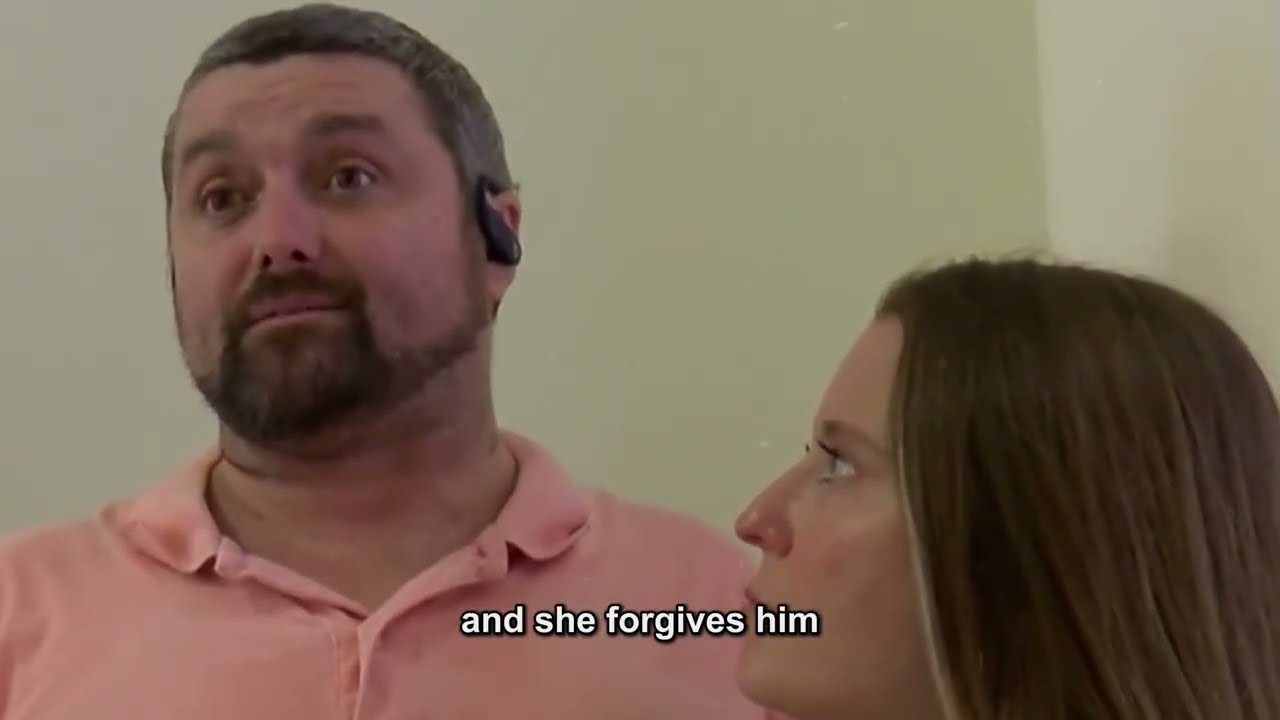
Will Berry, Margaret’s son, was just eleven when his mother was murdered. The loss shaped his life profoundly. Yet, rather than embrace vengeance, Will sought reconciliation. He reached out to West, offering forgiveness through letters that West reciprocated. A dialogue born of pain evolved into mutual understanding.
Will’s plea for mercy was unprecedented. He traveled to Montgomery, petitioned Governor Kay Ivey directly, and publicly called for West’s life to be spared. Despite his status as victim’s kin, Alabama barred any face-to-face meeting with West, stating prison policy forbade contact visits between offenders and victims’ families.
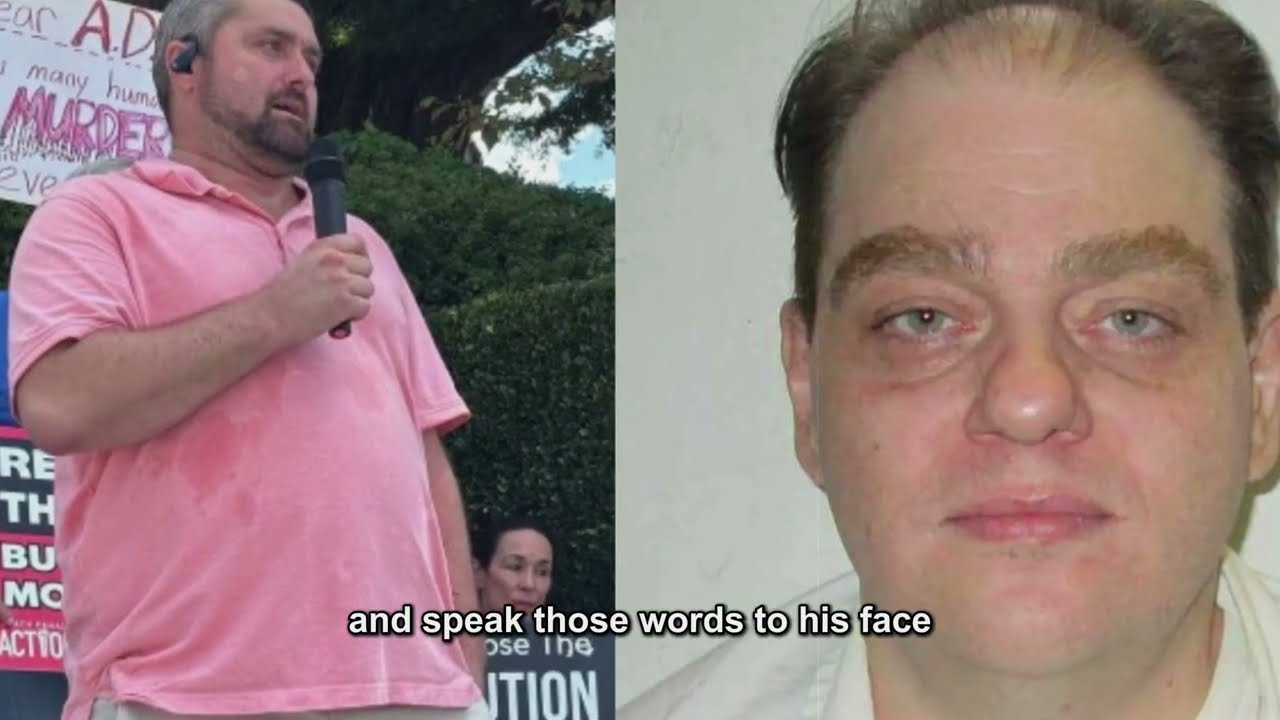
Denied the chance to speak in person, Will rather chose public advocacy. He penned op-eds, joined death penalty protests, and handed petitions to state officials. He urged the government to halt West’s execution, emphasizing forgiveness over retribution and advocating for life imprisonment instead of an irreversible death sentence.
Governor Ivey acknowledged Will’s appeal but declined clemency. The execution would proceed as mandated by law. On September 25th, 2025, at William C. Holman Correctional Facility, West’s final hours unfolded with solemnity but no last-minute appeals or delays. His spiritual journey culminated in a recent Catholic confirmation.
West spent his last day rejecting traditional prison meals, choosing instead Skittles, sausage biscuits, coffee, and his requested final meal, chicken quesadillas. He engaged with visitors but made no phone calls. In a final interview, he expressed deep regret and encouraged others to seek faith as a path away from desperation.
At 5:52 p.m., West was secured in the execution chamber, a khaki-clad figure strapped and masked, offering a silent thumbs-up to his counsel. The nitrogen hypoxia protocol commenced, and within minutes, his breathing slowed and ceased. Witnesses observed minimal movement, marking the state’s fourth execution of 2025.
West declined to utter last words, but a written statement was released posthumously. He apologized sincerely, acknowledged forgiveness from the victim’s family, and affirmed his faith and readiness to face his maker. His message implored young people to seek hope and avoid his tragic path.
Will and his wife Courtney later issued a statement void of anger, instead expressing grief and praying for peace for all families involved. They acknowledged West’s remorse and the unexpected bond formed across the divide of killer and victim, showing grace amidst unimaginable loss. Yet the finality of justice left lingering questions.
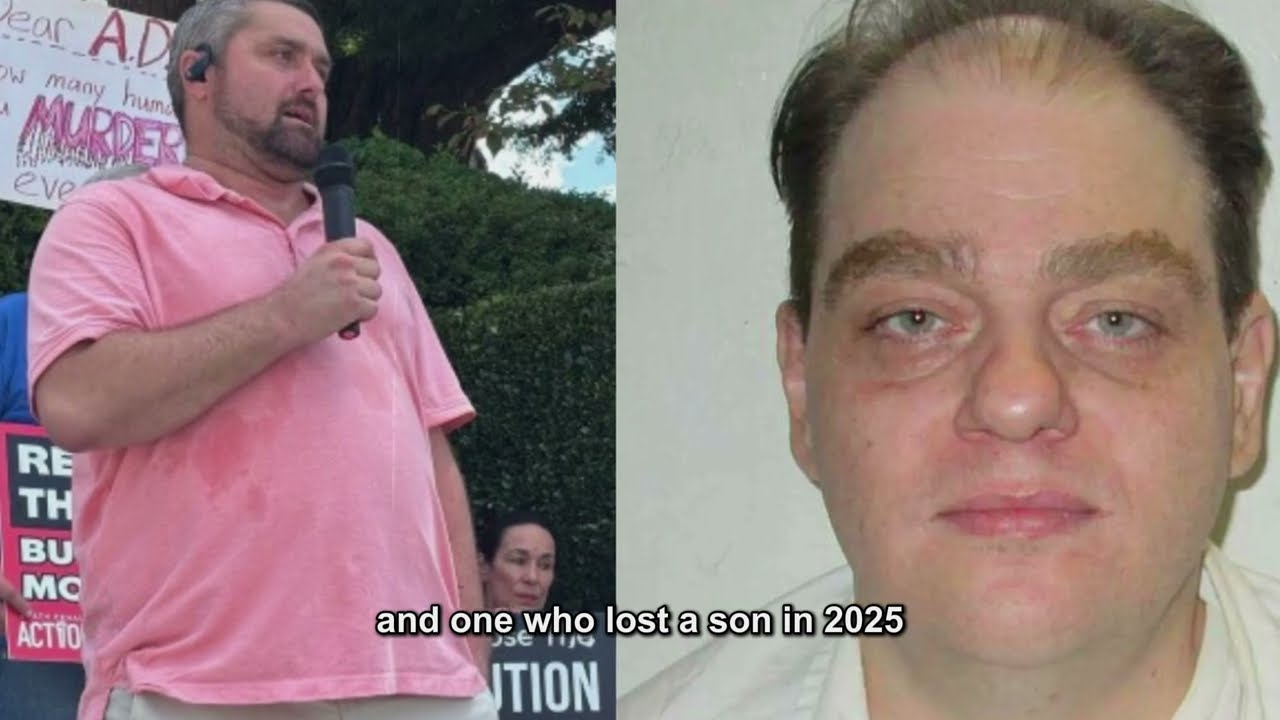
Governor Ivey affirmed that the sentence was lawfully carried out and called for healing. Attorney General Steve Marshall described the execution as a demonstration of state accountability. Two families—one mourning a mother stolen, the other a son lost—were left in the silence following the legal closure.
This execution marked the nation’s 33rd in 2025, the highest annual number since 2014. It reopened debates on capital punishment’s complexity, especially when the victim’s family advocates for mercy. Was justice achieved, or did the system neglect the nuances of remorse and forgiveness too quickly?
The story of Jeffrey Todd West and Will Berry forces a reckoning with the human consequences of justice and vengeance. The son who forgave the man convicted of killing his mother challenges entrenched narratives. Alabama’s decision to proceed despite that plea spotlights the enduring tensions in America’s death penalty discourse.
West’s execution highlights profound questions: Does the man who committed a cold-blooded crime remain unchanged after decades of imprisonment? Should forgiveness influence state-sanctioned death? Can a broken system accommodate redemption and reconciliation without undermining justice?
As the gas chamber fell silent and West took his last breath, the echoes of mercy and remorse lingered. For Will Berry, the execution was not closure but a call to confront deeper societal and moral dilemmas. In Alabama, justice was carried out, but its meaning remains painfully contested.