In the early hours of July 24, 2021, Rodney James Alcala, the notorious “Dating Game Killer,” died of natural causes at 77, before California could carry out his execution. Despite being sentenced to death three times, a moratorium and legal delays allowed him to evade the ultimate justice for decades.
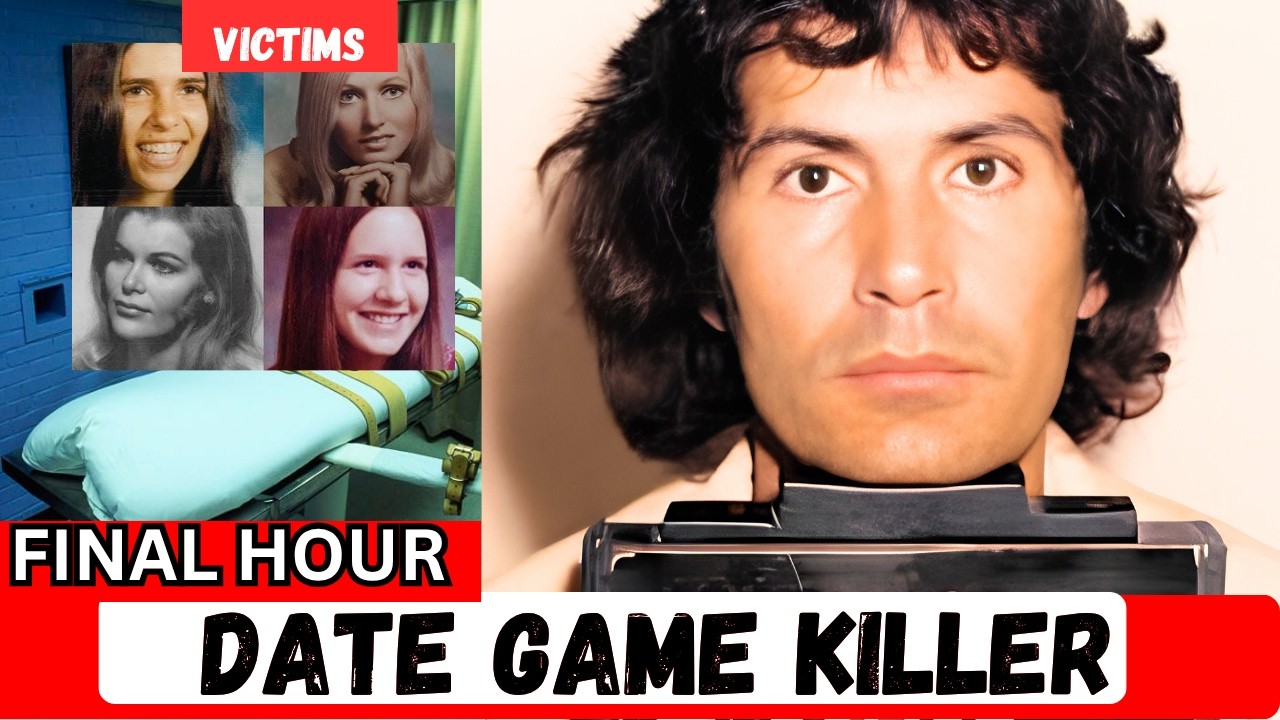 Alcala’s death marked the somber end to a decades-long nightmare that haunted families and law enforcement across multiple states. He was a convicted serial killer who, over more than a decade, claimed at least seven confirmed victims, with suspicions of many more—potentially as high as 130. His story underscores a judicial and systemic failure that allowed a monster to walk among the living for far too long.
Born in 1943 in San Antonio, Texas, Rodney Alcala’s early life was turbulent and unstable. His father vanished without a trace, leaving Alcala and his siblings to be raised by their mother in Los Angeles. Despite an impression of intelligence and charm, his disturbing antisocial tendencies emerged early, culminating in an official diagnosis during his brief Army tenure.
Alcala’s military records reveal a troubled man prone to 𝒶𝓈𝓈𝒶𝓊𝓁𝓉 and manipulation. Despite psychiatric warnings labeling him with severe antisocial personality disorder, he was discharged and returned to civilian life, where his manipulative charm became his weapon. With a high IQ and artistic talent, he slipped seamlessly into roles that gave him access to vulnerable young women.
In 1968, Alcala nearly killed eight-year-old Tali Shapiro by brutally assaulting her in a Los Angeles apartment. Although barely surviving, Shapiro’s family fled the country, unwilling to testify against him. This key absence forced prosecutors to accept a plea deal, and Alcala was released after a brief sentence, his potential for future violence tragically underestimated.
Reentering society, Alcala continued his reign of terror. By the mid-1970s, he was committing heinous crimes across several states, including California and New York. His crimes escalated in cruelty, involving abduction, 𝒔𝒆𝒙𝒖𝒂𝒍 𝒶𝓈𝓈𝒶𝓊𝓁𝓉, torture, and strangulation. His victims ranged from young girls to women in their twenties and thirties, each case a devastating loss intertwined with missed opportunities for capture.
Alcala’s chilling ability to blend into society was epitomized by his 1978 appearance on the popular television show The Dating Game. As a handsome, charismatic contestant, he fooled the public and producers alike. No background checks were conducted—even as he was simultaneously sought by law enforcement as a dangerous predator.
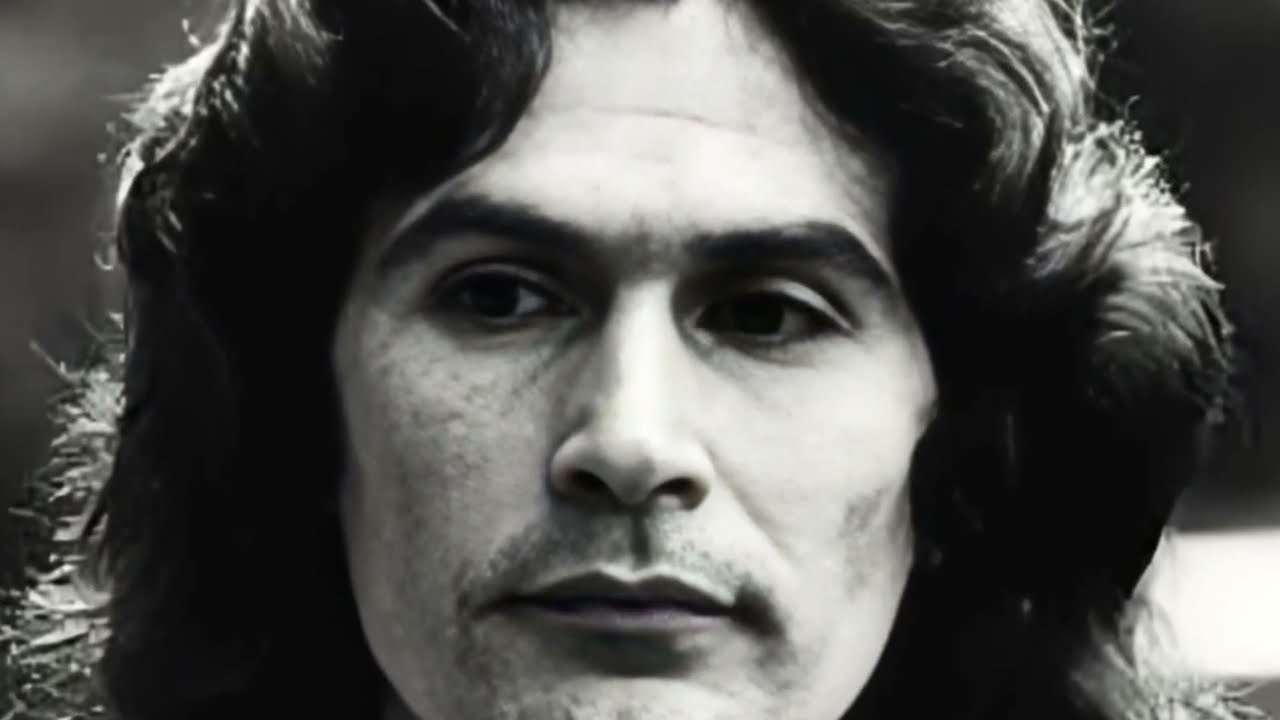 It was only years later, thanks to advances in forensic DNA technology, that four cold cases from the 1970s could finally be linked definitively to Alcala. His gruesome trophies, including a pouch full of victims’ earrings found in a Seattle storage locker, 𝓮𝔁𝓹𝓸𝓼𝓮𝓭 the horrifying breadth of his crimes and shattered any lingering disbelief about his guilt.
Alcala’s legal battles stretched over three decades, marked by multiple trials, convictions, and appeals. Twice, death sentences were overturned on procedural grounds, not evidence of innocence, prolonging his stay on death row without execution. Each delay deepened the pain for surviving victims and grieving families, who awaited final justice that never arrived.
The California moratorium on executions, signed in 2019 by Governor Gavin Newsom, ensured that Alcala’s death sentence could never be carried out. By the time of his demise, Alcala was in failing health and was transferred to a hospital near Corcoran prison to receive medical care. At 1:43 a.m., he died quietly from natural causes, away from the glare of the death chamber.
The official death notice was stark and brief: “Condemned inmate Rodney James Alcala, 77, died of natural causes.” Those few words masked the immense horror of his crimes and the decades of systemic failures that allowed him to evade true accountability. His death symbolizes a chilling intersection of brutal evil and flawed justice systems.
Survivors like Tali Shapiro expressed a mixture of relief and lingering frustration. She said the world was “a better place without him,” acknowledging the long wait for his natural end. Yet her words also spotlight the haunting question that remains: how much more pain might have been prevented had the system not repeatedly faltered?
After Alcala’s final conviction in 2010, thousands of photographs from his Seattle locker were released to the public to help identify unknown victims. The overwhelming response led to the identification of several living women but left many faces and stories forever unknown, a grim reminder of how many might have been lost to his violence.

Alcala’s story is not just about a serial killer, but about the profound cracks in the criminal justice system. Early psychiatric warnings, parole decisions, lack of inter-agency communication, and procedural technicalities repeatedly enabled him. His ability to exploit societal and legal loopholes raises urgent questions about oversight and accountability.
The relentless passage of time allowed Alcala to play a deadly cat-and-mouse game with the law. His high intelligence and manipulative persona turned courtrooms into stages where he controlled narratives and prolonged the agony. His victims, however, were silenced forever—waiting for a justice system that never fully closed the book on their lives.
As the public reckons with this chilling saga, the debate intensifies: Was justice served with Alcala’s death, or did decades of systemic failures culminate in a final miscarriage? The man convicted multiple times for horrific murders died quietly—far from the gallows—leaving behind a trail of heartbreak and unanswered questions.
Rodney Alcala’s death raises critical reflections on the intersection of criminal psychology and judicial efficacy. How could a man diagnosed with severe antisocial disorder repeatedly slip through corrections and parole? How did agencies across states fail to connect the dots sooner? The implications demand urgent examination and reform.
This case compels society to confront uncomfortable truths about protecting the vulnerable and ensuring that criminal justice is swift, precise, and fair. The brutal toll of Alcala’s crimes is a stark warning: brilliance and charm must never overshadow vigilance, and no system should allow predators to roam free for decades.
 Though Alcala is gone, his legacy haunts the families of his victims and the communities affected. Their long wait for closure ended with his natural death, not execution, sparking profound questions about what true justice looks like for unspeakable crimes and how to prevent this from happening again.
The ripple effects of this case continue to unfold. Ongoing investigations strive to identify the unknown faces in Alcala’s photographs, hoping to bring answers to more families. Meanwhile, Alcala’s life and death serve as a troubling landmark in American criminal history, a deadly lesson in systemic oversight and human tragedy.
As law enforcement, policymakers, and the public digest the full scope of Rodney Alcala’s crimes and his death without execution, the imperative is clear: systems must be fortified to prevent such failures. The true cost of complacency is measured in lost lives, fractured families, and shattered trust in justice.
Rodney Alcala’s story spans decades, states, and courtroom dramas—an intricate web of manipulation, violence, and systemic breakdowns. His death does not close the book but rather invites critical scrutiny of where justice faltered and how to ensure no predator goes unpunished again.
In the end, the “Dating Game Killer” died alone in a hospital bed, free from the ultimate punishment his crimes demanded. His victims’ families, having waited decades for resolution, now confront the harsh reality that true justice remains elusive, leaving a legacy of loss, anger, and calls for accountability.
The final chapter in the gruesome saga of Rodney Alcala is written in quiet death, not public execution. It demands reflection on justice’s pace, the weight of bureaucratic errors, and the need for a vigilant society determined to protect its most vulnerable from monsters hiding behind smiles.