Freddie Eugene Owens was executed in South Carolina on September 20, 2024, ending a decades-long saga marked by murder, prison violence, and legal battles. Despite last-minute appeals and claims of innocence from a key witness, the state carried out the lethal injection, closing a controversial chapter in death row history.
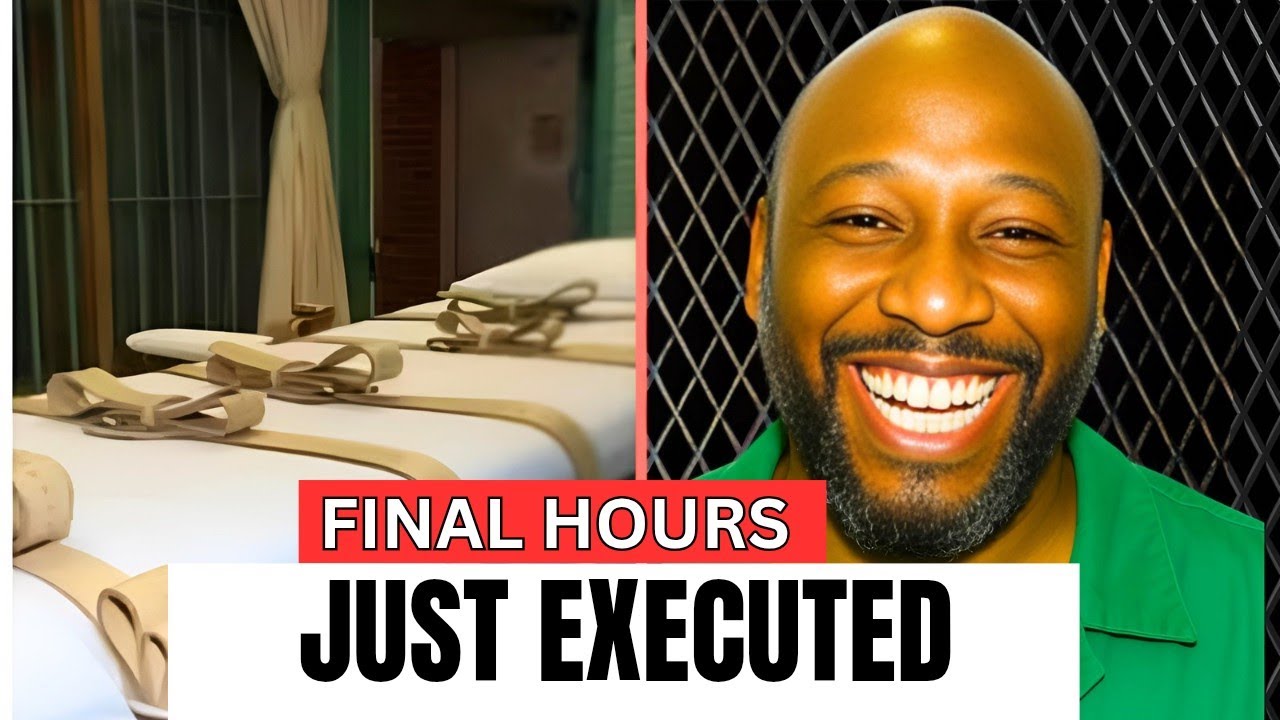 At 6:36 p.m. on a somber fall evening, Owens faced his final moments in the Broad River Correctional Institution. The 46-year-old inmate, convicted of a 1997 murder and a gruesome jailhouse killing, was administered a lethal dose of pentobarbital, marking South Carolina’s first execution in 13 years. The execution was conducted without incident.
Owens’s case was steeped in complexity and tragedy. Convicted for the fatal shooting of Greenville gas station clerk Irene Graves, his conviction largely depended on testimony from co-defendant Steven Golden. Golden later recanted, claiming Owens was not at the scene, but the courts dismissed this as unreliable. The Supreme Court denied emergency appeals to halt the execution.
The murder of Irene Graves shocked the community on November 1, 1997. The 41-year-old single mother was shot in cold blood during a botched robbery. Owens and Golden entered the convenience store with masks, demanding access to the safe. When Graves failed to comply, Owens pulled the trigger, ending her life instantly.
Owens’s violent streak did not end with this crime. Barely 12 hours after his sentencing for Graves’s murder, he attacked and murdered cellmate Christopher Brian Lee inside Greenville County Jail. The brutal 𝒶𝓈𝓈𝒶𝓊𝓁𝓉 involved stabbing, strangulation, and burning, culminating in one of the most savage prison killings in recent memory.
The jailhouse murder revealed a fractured mind consumed by rage. Owens stated Lee taunted him, referencing jury connections to the first conviction. The attack was unrelenting and sadistic, suffocating Lee with makeshift weapons and burning his face before guards intervened. Owens confessed openly in court the next day without remorse.
A troubled upbringing marked Owens’s early life. Born in 1978, he endured childhood trauma, foster care instability, and 𝓪𝓫𝓾𝓼𝓮 from family members. Diagnosed with antisocial personality disorder, Owens’s psychological scars were visible long before his criminal acts. His history painted a portrait of a man shaped by relentless violence and neglect.

Following his incarceration, Owens underwent a personal transformation, converting to Islam in 2015. Taking the name Khalil Divine Black Son, Allah, he embraced spirituality, education, and introspection behind bars. This change influenced his approach to his own execution, confronting religious dilemmas around choosing his method of death.
Owens refused to select his execution method, citing Islamic prohibitions against suicide. Instead, he entrusted the decision to his attorney, who ultimately chose lethal injection. This rare act underlined the deep religious conflicts Owens faced as he confronted the final chapter of his life under state custody.
His choice of last meal was an indulgent farewell: two cheeseburgers, French fries, a well-done ribeye steak, six chicken wings, two strawberry sodas, and a slice of apple pie. Consumed in solitude, it offered a fleeting moment of normalcy before the irreversible steps of the state’s capital punishment system commenced.
Throughout his appeals process, Owens’s legal team sought to stay the execution, fueled by Golden’s last-minute recantation. Golden alleged Owens was wrongly identified as the shooter, pointing to an unnamed true killer. South Carolina courts found this claim inconsistent with Owens’s multiple confessions and eyewitness testimonies, dismissing pleas to halt proceedings.
The execution was witnessed by family members of both victims, who bore silent testimony to the enduring pain caused by Owens’s actions. Irene Graves’s children and Christopher Lee’s family watched as justice was meted out, a stark reminder of the human toll behind headlines and legal wrangling.

Owens’s final words were sparse. As the drugs flowed, he turned to his attorney, whispered a soft “Bye,” and closed his eyes. No public declarations or apologies accompanied his death, marking a quiet end to a life that had once ignited fear, fury, and national debate over capital punishment.
This execution reopened conversations about the death penalty in South Carolina. It underscored the complex interplay between justice, redemption, and the long shadows cast by violent crimes. For nearly three decades, Owens’s case polarized opinion, but on this day, the state decisively ended his tumultuous journey.
The gravity of the case extended beyond Owens’s personal story. It highlighted systemic challenges—foster care failures, psychological disorders, and prison violence—all intertwined in a tragic narrative. The final act was both a conclusion and a somber reflection on the state’s ultimate punitive power.
Owens’s death marked South Carolina’s first execution since 2011, breaking a long hiatus that had seen capital punishment slowed by legal and ethical debates. His case is now etched into history as a stark illustration of crime, punishment, and unresolved questions about justice in America’s criminal justice system.
As the lethal injection took effect, the fluorescent-lit chamber was silent except for mechanized sounds and Owens’s fading breaths. The end of his life was a quiet moment, but the echoes of his crimes and their impact reverberate far beyond that stark room.

For the families of Irene Graves and Christopher Lee, Owens’s execution might bring some measure of closure, though wounds remain deep and unhealed. Their loss is permanent, a chilling testament to the consequences of one man’s violent choices and a community’s collective grief.
Owens’s story is now one for the history books — a harrowing journey from childhood trauma to a violent exit, marked by legal battles and late redemption attempts. The state’s final act closes a dark chapter in South Carolina’s ongoing dialogue about the death penalty and criminal justice reform.
With the execution complete, attention now turns to the survivors and the systems that allowed such tragedies to unfold. Owens’s case provokes urgent questions on prevention, rehabilitation, and the morality of state-sanctioned death.
The complexity of Owens’s life and crimes defies simple judgment. It challenges society to reckon with the roots of violence, the limits of punishment, and the possibility of mercy. This final story resonates as a cautionary tale and a stark narrative of human frailty and institutional failure.
In the wake of Freddy Eugene Owens’s execution, South Carolina faces the long shadow of an epoch marked by violence and contested justice. His death closes one chapter but leaves many questions unresolved, ensuring his story will continue to provoke debate and reflection for years to come.