Florida executed notorious serial killer Ronald Palmer Heath on February 10th, 2026, ending a chilling saga that spanned nearly five decades and claimed three innocent lives. After 35 years on death row, Heath breathed his last at Florida State Prison, closing a dark chapter marked by brutal violence and shattered families.
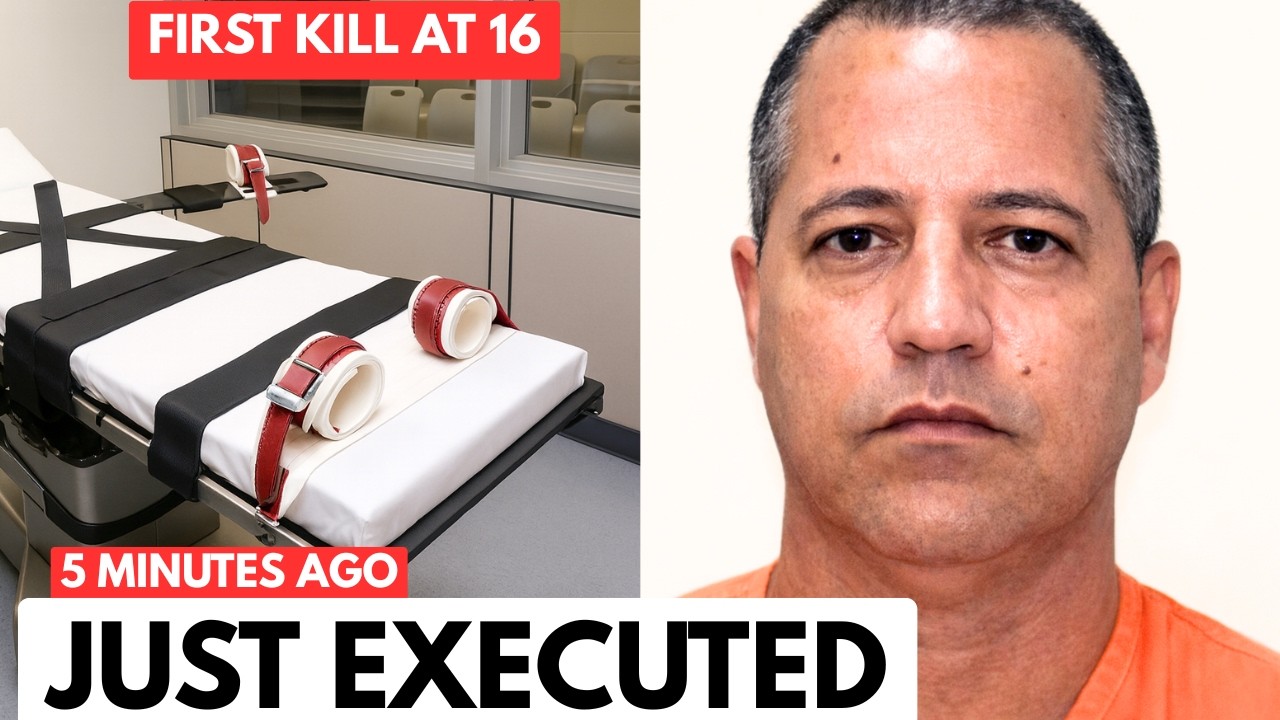 At precisely 6:12 p.m., Ronald Palmer Heath’s life ended in the execution chamber. His final words were brief—“I’m sorry. That’s all I can say. Thank you.” These words belied the horror of his crimes: three vicious murders committed over 49 years, a lifelong trail of death and despair.
Heath’s killing spree began at just 16 years old. In December 1977, he mercilessly murdered 18-year-old Michael Lee Green in a prolonged, brutal attack that shocked investigators with its savage rage and remorseless nature. This horrific act ignited a series of events that would haunt Florida for decades.
Despite the severity of his first murder, Heath was sentenced to 30 years but served only 10 and a half, released back into society under the hope of rehabilitation. That hope proved tragically misplaced. Within just over a year of his release, Heath resumed his deadly spree, devastating more families.
In May 1989, Heath, accompanied by his younger brother Kenneth, met Michael Sheridan, a kind-hearted traveling salesman, at a Gainesville bar. Sheridan’s goodwill quickly turned deadly when Heath plotted a robbery that spiraled into cold-blooded murder in a remote wooded area south of Gainesville.
Kenneth Heath shot Sheridan after initial resistance, but Ronald wasn’t done. With chilling cruelty, he stabbed and repeatedly attacked the wounded man, eventually delivering the fatal shot to Sheridan’s brain. They then abandoned the body and committed credit card fraud, brazenly living off their victim’s identity.

Barely two days later, the Heath brothers struck again. They encountered Anthony Hammet, a 25-year-old soon-to-be husband and father, in Jacksonville. When Hammet attempted to flee, they shot him in the back and discarded his body in a dumpster. Two murders in three days underscored Heath’s merciless nature.
Law enforcement connected the dots, tracing stolen credit card usage and physical evidence directly to Heath’s Georgia home. Kenneth’s cooperation with prosecutors sealed Ronald Heath’s downfall, resulting in a 1990 conviction for Sheridan’s murder and other charges, and a death sentence recommended by the jury.
However, the case of Anthony Hammet remained unresolved. Kenneth Heath withdrew his crucial testimony, citing threats, leading to dropped charges. Hammet’s family was denied justice, forced to endure the lifelong pain of unanswered questions and a killer walking free for decades after the crime.
For 35 years after his trial, Ronald Palmer Heath languished on Florida’s death row. His execution in 2026 marked the state’s first of the year and followed the record-breaking 19 executions overseen by Governor Ron DeSantis in 2025, igniting renewed debate on the death penalty’s role and effectiveness.
Victims’ families, many waiting decades for closure, attended the execution. Their faces bore grief, not triumph—decades of loss etched deep. Michael Green’s sister, a child when her brother was killed, witnessed justice after 49 years. Sheridan and Hammet’s relatives sought solace in Heath’s final moments.
The brutal and repetitive nature of Heath’s crimes raised urgent questions about the justice system’s ability to rehabilitate violent offenders. Early release after a horrific first murder facilitated further tragedies, exposing grim realities about recidivism and the limits of second chances for predators like Heath.
Ronald Heath’s story is one of cold-blooded violence unchecked by intervention. The prolonged torture and calculated killings revealed a man devoid of empathy, who exploited his fleeting freedom to continue a ruthless killing spree. His execution closes a painful saga but leaves wounds that time cannot heal.
Heath spent his final day knowing the fate waiting for him, surrounded only by his mother and a friend. He refused a last meal and spiritual counsel, facing death with muted resignation. His passing is not just the end of a life, but a measure of deferred justice for his victims’ families.

As the last drugs flowed through his veins, Ronald Heath’s eyes closed, and a lifetime of horrors came to an irreversible end. The execution spotlighted the enduring pain behind statistics—the human lives destroyed, families shattered, and the anguished search for justice that spanned generations.
This case underscores a stark reality: while the justice system strives to balance punishment and reform, some individuals defy redemption. Heath’s path from juvenile murderer to serial killer exemplifies how second chances can sometimes result in further victims rather than recovery.
For the communities affected, the execution offers closure but no celebration. It serves as a grave reminder of the consequences when vigilance fails and mercy is misplaced. The legacy of Ronald Palmer Heath’s crimes remains a somber testimony to the deadly costs incurred when society’s worst evade containment.
Florida’s handling of Heath’s case feeds into ongoing debates about capital punishment—whether it’s justice, deterrent, or retribution. Regardless, the families left in the wake of his violence now finally possess a measure of resolution after decades of trauma and unanswered questions.
Ronald Palmer Heath’s final words echoed hollowly: an apology offered long after his opportunity to change had expired. His death serves as a somber punctuation to a harrowing narrative of horror, failure, and the relentless pursuit of justice over nearly half a century.