A recent incident at the Perogi Festival in Edwardsville, Pennsylvania, has sparked a heated debate over police interactions with young Black individuals. As tensions escalated, a bystander captured the moment, leading to widespread outrage and calls for accountability regarding how the situation was handled.
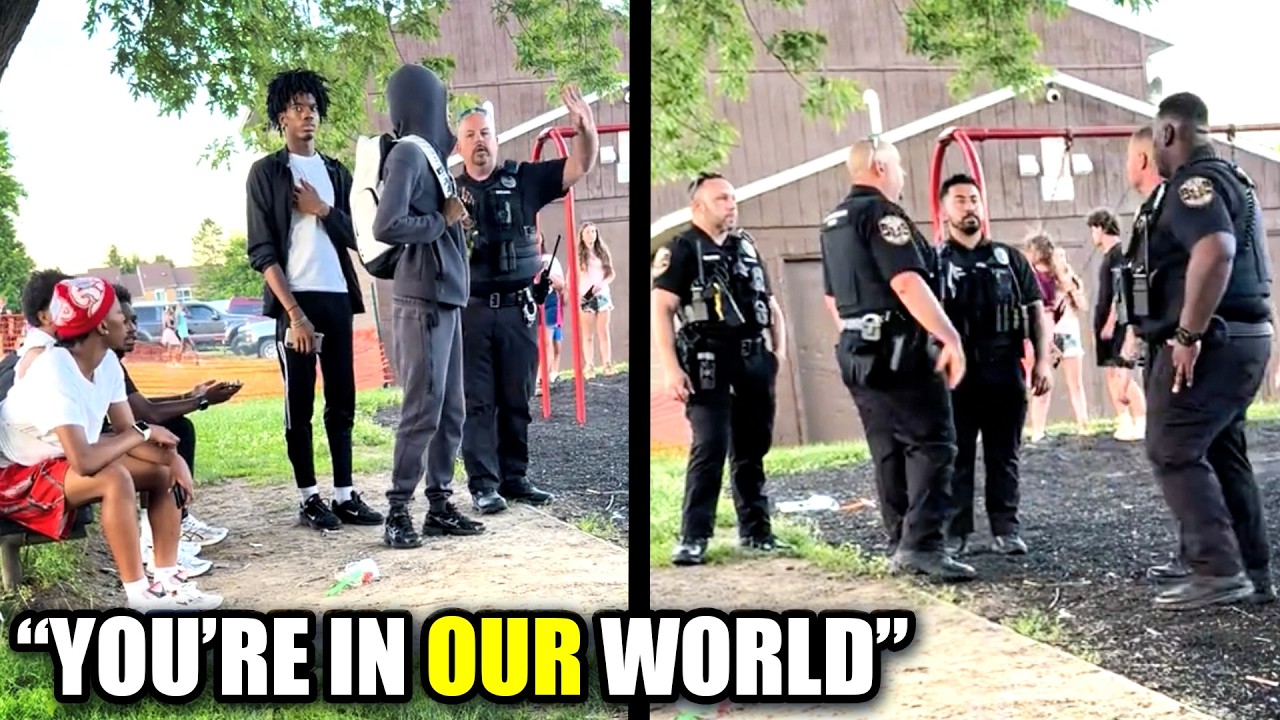 During the festival, attendees were shocked when police officers approached a group of Black teens who were reportedly just sitting on a bench. Eyewitnesses expressed confusion as to why the basketball court was closed, leaving the teens with nowhere to go. A local woman, Heather, took to social media to share her thoughts, stating, “They’re literally just sitting on the bench doing nothing,” and questioned the rationale behind the police presence.
Following the incident, Heather provided updates on her TikTok, revealing that she had spoken with a local news station about the events. She expressed her heartfelt sympathy for those who face such challenges daily, particularly as a mother concerned for her son and his friends. Heather promised to keep her followers informed as more information became available, emphasizing the importance of using one’s voice in the face of injustice.

According to a statement from the Westside Regional Police Department, officers were monitoring the festival for safety purposes when they encountered several juveniles whose behavior was deemed disruptive. After allegedly refusing to leave when asked, two teens were taken into custody for disorderly conduct and resisting arrest. The police report indicated that one of the juveniles attempted to re-enter the festival after being removed, leading to physical resistance against the officers.

In a separate clip circulating online, another bystander confronted police about their treatment of the teens, questioning why they were being harassed while simply trying to enjoy the festival. The emotional exchanges captured on video have led many to reflect on the broader implications of policing in public spaces, particularly for communities of color.

As the community grapples with the fallout from this incident, questions remain about the balance between public safety and the treatment of individuals in social settings. How can communities ensure that everyone feels safe and welcome in public spaces?