In a haunting tale of tragedy and injustice, the state of Texas executed Cameron Todd Willingham on February 17, 2004, for a crime many believe he did not commit. The chilling circumstances surrounding the deaths of his three young daughters in a house fire have left lingering questions and a cloud of doubt over the legal system.
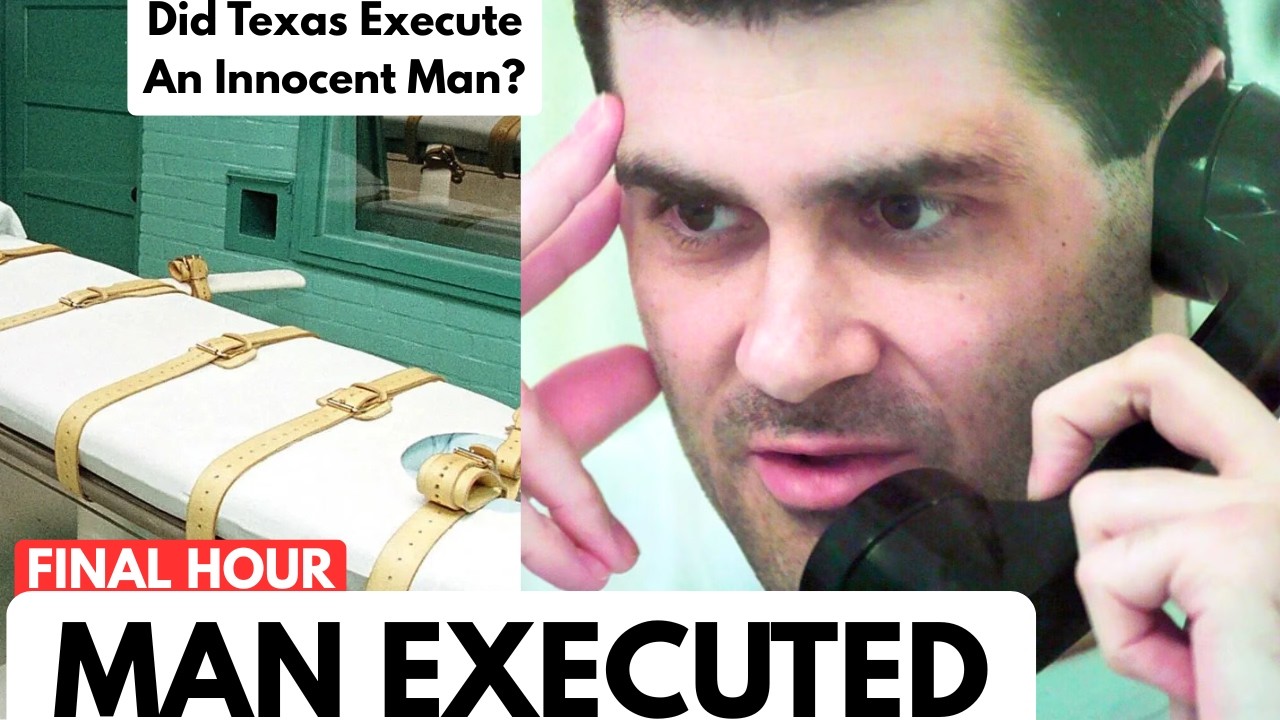 Willingham was just 36 years old when he faced lethal injection at the Texas State Penitentiary in Huntsville. His daughters—two-year-old Amber Louise and one-year-old twins Carmen Diane and Cameron Marie—perished in a fire that broke out on December 23, 1991, while their mother was out shopping. Willingham claimed he was asleep when the blaze ignited, and he insisted he tried to save them. However, investigators quickly concluded that the fire was intentionally set, citing burn patterns and the presence of accelerants.
Witnesses reported seeing Willingham outside the house, seemingly more concerned about his car than his children. The prosecution painted a damning picture, suggesting he had poured a flammable liquid to trap his daughters inside. Despite his protests of innocence, he was charged with capital murder just weeks after the tragedy.
 The trial, held in August 1992, featured testimony from fire experts who claimed the evidence pointed to arson. Willingham’s refusal to accept a plea deal, even when advised by his attorneys, underscored his insistence on his innocence. The jury ultimately convicted him, sentencing him to death, while his marriage crumbled under the weight of the accusations.
As Willingham spent over a decade on death row, the validity of the arson evidence began to unravel. Just days before his execution, a report by fire scientist Dr. Gerald Hurst challenged the original findings, suggesting the fire was likely accidental. However, despite the new evidence, the Texas Board of Pardons and Paroles denied clemency, and Governor Rick Perry refused to intervene.

Willingham’s last meal was a Southern feast, including barbecued ribs and enchiladas, a stark contrast to the grim reality he faced. In his final words, he maintained his innocence, declaring he had been wrongfully convicted. His emotional farewell included a pointed message to his ex-wife, which added a dramatic twist to his last moments.
 Following his execution, investigations continued to reveal flaws in the case. Reports indicated that the arson evidence had been based on outdated theories, and the testimony of a jailhouse informant was later recanted. Despite these revelations, no official acknowledgment of Willingham’s innocence has been made by the state of Texas.
The tragic loss of Willingham’s daughters and the subsequent execution raises profound questions about justice and accountability. As the story unfolds, many are left wondering: what does it take for a system to admit its mistakes, and how many more lives are affected by such failures?