In a haunting tale of vengeance and tragedy, Charles Rodman Campbell, a man notorious for a triple murder, faced his final moments on death row. As the clock struck midnight on May 27, 1994, at the Washington State Penitentiary, the weight of his 12 years of appeals and denials came crashing down in a chilling silence.
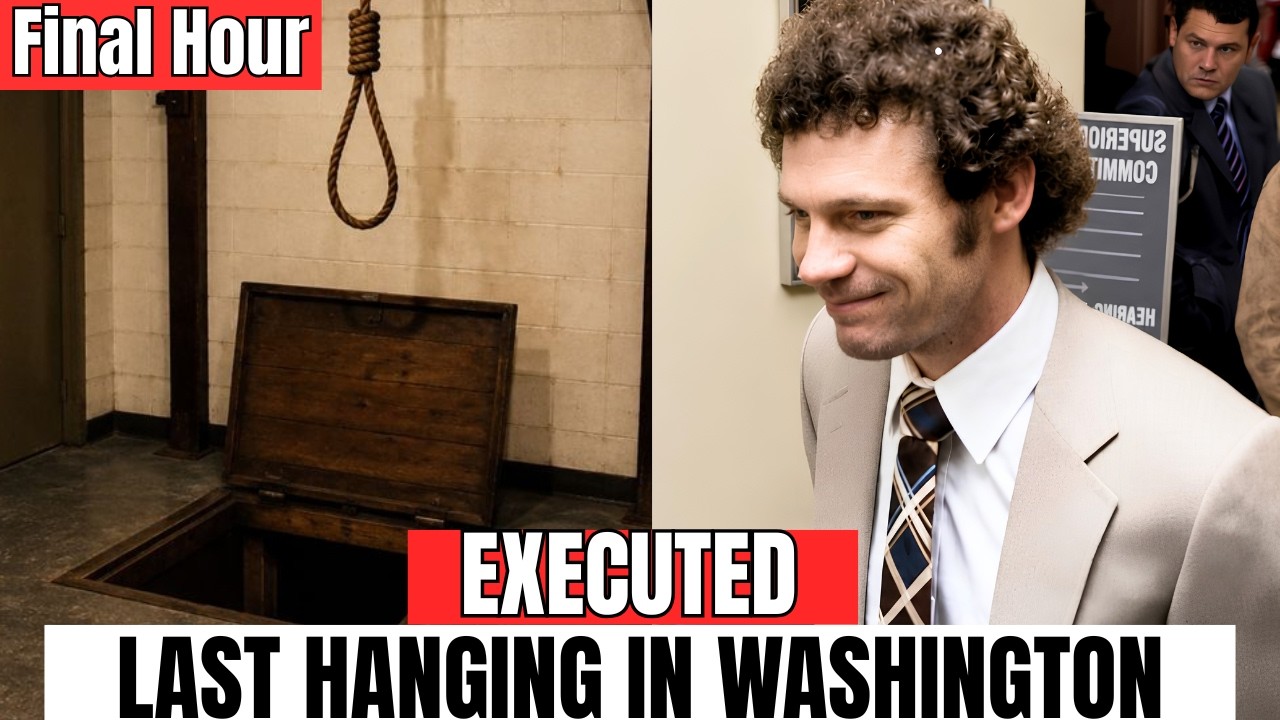 Campbell, who had spent over a decade fighting his execution, was found curled on the floor of his cell, seemingly paralyzed by the gravity of his fate. When guards finally intervened, they had to use pepper spray to escort him to the gallows. In a cruel twist of irony, the man who had once wielded a knife against three women could not muster the strength to walk the final steps to his own demise. At 12:08 a.m., the trapdoor dropped, and six minutes later, he was pronounced dead, marking the end of a long and painful chapter for many.
To truly grasp the horror of Campbell’s actions, we must first understand the lives intertwined with his story. Among those present during his execution was Lorraine Ehlers-Iverson, the sister of one of his victims, Renee Wicklund. Lorraine had traveled from North Dakota, determined to witness the end of a long ordeal that had forever altered her family.
Renee, a vibrant woman from a rural background, had moved to Washington in search of a new life. She settled in Clearview, where she formed close bonds with her neighbors, including Barbara Hendrickson. In December 1974, while Renee was tending to her young daughter, Shanna, Campbell, then a troubled young man with a history of violence, decided to target her. What transpired that day was a brutal assault that would haunt Renee for years to come.

Despite the trauma, Renee bravely testified against Campbell, leading to his conviction and a 40-year sentence. However, the justice system failed to keep him incarcerated. Just five years into his sentence, Campbell was released into a work-release program, only to return to the vicinity of his victim. For years, Renee lived in fear, unaware that Campbell was just a short drive away, plotting his revenge.
On April 14, 1982, Campbell executed his chilling plan. Armed with a knife, he returned to Clearview, where he brutally attacked Renee, her daughter, and Barbara. The aftermath was devastating; three lives were lost, and the community was left shattered. Campbell was arrested shortly after, with evidence linking him directly to the crime scene.

As the trial unfolded, the evidence against Campbell was overwhelming. Eyewitness accounts, fingerprints, and jewelry from the victims found in his possession painted a clear picture of his guilt. In November 1982, he was found guilty and sentenced to death, sparking a lengthy series of appeals that would stretch over a decade.
Throughout this time, Campbell’s mother expressed her love for him while acknowledging the severity of his actions. Meanwhile, his son, Jacob, grew up visiting him in prison, ultimately advocating against his father’s execution. The emotional complexity of their relationship added another layer to an already tragic story.

As Campbell’s execution date approached, the families of his victims hoped for closure. Lorraine Ehlers-Iverson, along with other loved ones, witnessed his hanging, marking the end of a painful chapter. Yet, the story did not end there. In 2023, a cold case involving another victim, Hallie Ann Seaman, was reopened, revealing a 𝓈𝒽𝓸𝒸𝓀𝒾𝓃𝑔 connection to Campbell. DNA evidence linked him to her murder nearly 50 years prior, raising questions about the failures of the justice system that allowed a known predator to roam free.
The tragic tale of Charles Campbell leaves us pondering profound questions about accountability and the effectiveness of our justice system. How do we ensure that history does not repeat itself, and what measures can be taken to protect potential victims from those who have shown no capacity for change?