In a somber turn of events, Charles Brooks Jr. (also known as Shareef Ahmad Abdul-Rahim), who maintained his innocence throughout his time on death row, faced his final hours as the state of Texas prepared to carry out its first execution by lethal injection. As midnight approached on December 7, 1982, the atmosphere at the Huntsville Unit in Huntsville, Texas, was heavy with tension. Brooks, aware of his fate, remained motionless yet alert in his cell.
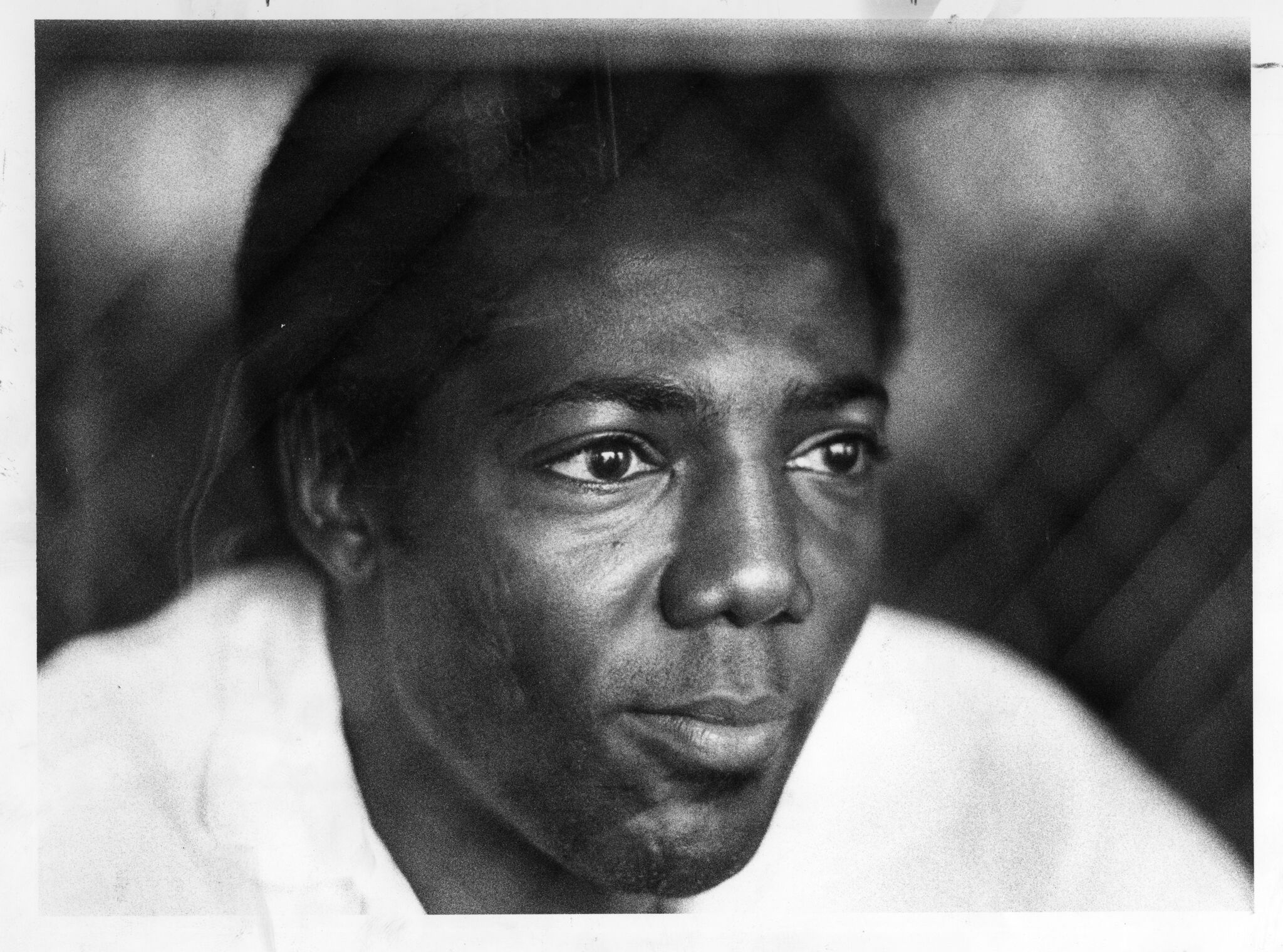
For 24 hours, he was under constant surveillance, with every movement monitored by guards. Observers noted that Brooks appeared subdued and fearful. With his legal options limited, his attorneys continued to submit last-minute appeals in a final effort for a stay of execution.
When the escort arrived to transport him to the execution chamber, Brooks understood the gravity of the moment. He was about to become the first person in the United States to die by lethal injection — a method that had replaced the electric chair and gas chamber. Witnesses observed a noticeable shift in his demeanor as he was no longer the man who had entered the facility moments earlier with confidence.
In a last-minute effort, the Texas Board of Pardons and Paroles convened to reconsider Brooks’s case. Assistant District Attorney Jack Strickland, who had once prosecuted him, expressed deep regret, stating that the state might have wrongfully convicted Brooks. The case, which originated in December 1976, involved the tragic death of David Gregory during a robbery attempt that turned violent. Brooks and his accomplice Woody Ludrus had pointed fingers at each other during their trials, leading to both being sentenced to death. Ludrus’s conviction was later overturned, but Brooks remained on death row.
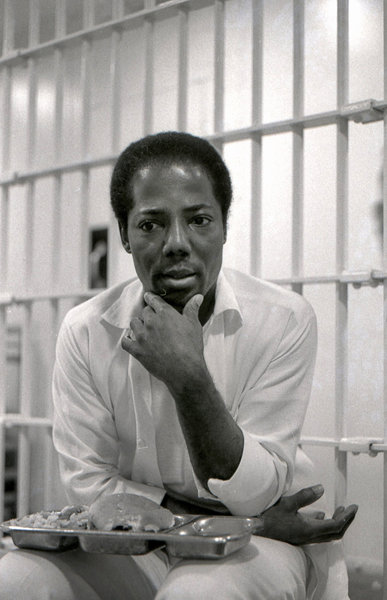
As the board voted against granting clemency, Brooks received a visit from his estranged family. His ex-wife and two sons sought closure, but he declined to see them. Instead, he welcomed his niece, Aunt Jeno, and Imam Larry Sharrieff (sometimes referred to as Sharrieff), reflecting his recent conversion to Islam. Embracing his new faith, he took the name Shareef Ahmad Abdul-Rahim, a decision that marked a significant personal shift.
With the execution drawing near, medical staff conducted a final examination to ensure Brooks was fit for the procedure. After confirming his veins were suitable, Brooks prepared for his last meal, which sparked controversy because he had originally requested fried shrimp and oysters, but prison staff informed him that shellfish was not an option. He was instead served a T-bone steak with french fries, ketchup, Worcestershire sauce, biscuits, peach cobbler, and iced tea. Despite the disappointment, he consumed the meal quietly, maintaining his composure.
As the clock ticked down, Brooks found solace in playing chess with a guard and writing letters, all while reflecting on his life. With less than three hours remaining, the U.S. Supreme Court denied his final appeal, sealing his fate and confirming that nothing stood between him and the historic execution.

Outside the prison walls, emotions ran high as supporters and opponents of the death penalty gathered. The atmosphere was charged, with cheers from those in favor of the execution clashing with the somber presence of anti-death-penalty protesters. Inside, Brooks could hear the distant chants as the moment of truth approached.
At midnight, witnesses were ushered into the execution chamber. Brooks, who chose not to include his sons among the witnesses, instead reserved spots for his niece and Imam Sharrieff. As the warden read the death warrant, Brooks turned to his niece, expressing his feelings before reciting prayers in Arabic and English.
With a calm demeanor, he closed his eyes, ready to meet his end. The execution team proceeded with the lethal injection, administering the drugs that would take his life. Witnesses observed the process, noting how Brooks appeared to drift away peacefully.’
At 12:16 a.m., he was pronounced dead at the age of 40, leaving behind a complex legacy that continues to spark debate about the morality of capital punishment. As the dust settles on this historic event, one question lingers: what does this execution mean for the future of the death penalty in America?
Sources (all publicly available and verifiable):
- Wikipedia – Execution of Charles Brooks Jr. (citing official court records, Texas Department of Criminal Justice execution documentation, and contemporary news reports)
- Clark County Prosecuting Attorney Office historical document (1982 execution records) – confirming execution time (drugs administered at 12:09 a.m.; pronounced dead at 12:16 a.m.) and last meal details
- Texas Monthly article on Brooks’s last words (2012) – final statement and prayer
- The New York Times (December 7, 1982) – accounts of the first lethal injection execution in the U.S. and Brooks’s demeanor
- Texas Department of Criminal Justice and Death Penalty Information Center archives – details on the historic significance as Texas’s first post-1964 execution and the first U.S. lethal injection
- BBC and contemporary news reports (1982) – coverage of the Board of Pardons decision and Strickland’s statements