In a haunting final chapter, Benjamin Donny Ritchie faced his last hours at Indiana State Prison, a life defined by waiting and the weight of decisions made long ago. As the clock ticked down, the tension in the air was palpable, marking the end of a 25-year saga on death row.
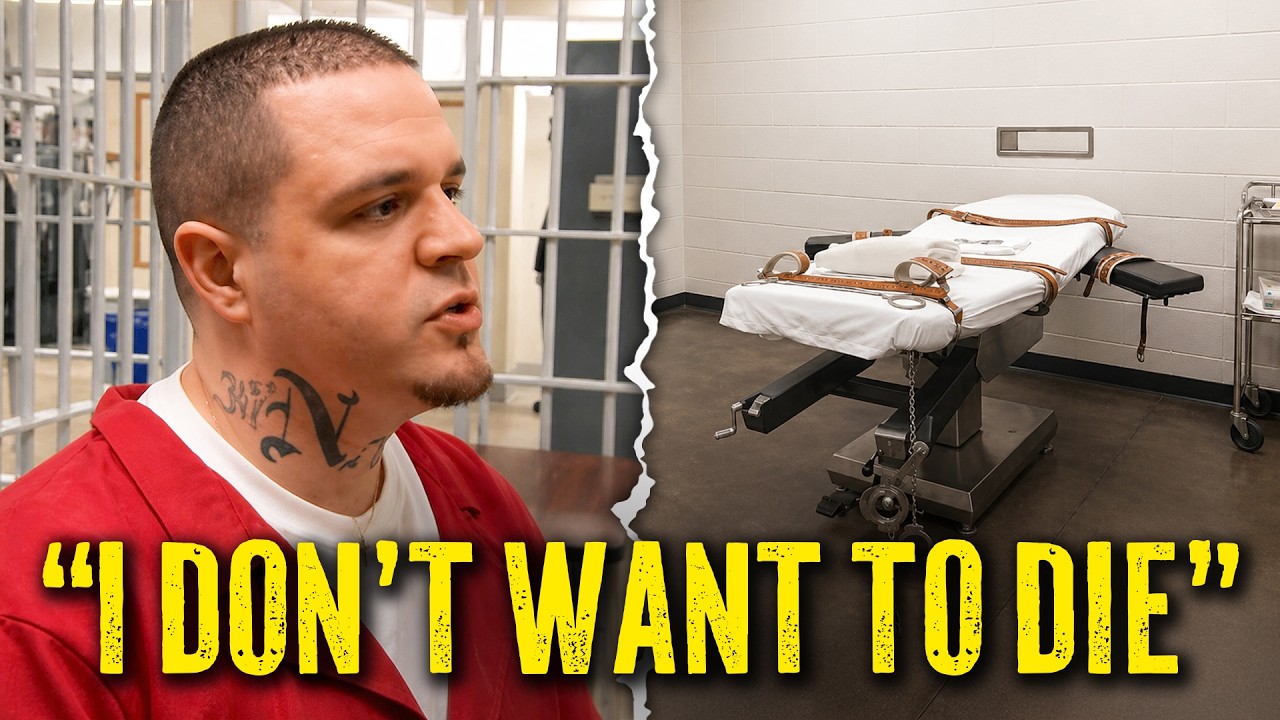 Ritchie, who had spent the last 15 years without an execution due to a shortage of lethal injection chemicals, was still in his familiar cell when the inevitable began to unfold. All legal options had been exhausted, with a last-ditch appeal to the U.S. Supreme Court recently denied. The Indiana Supreme Court had previously ruled against him, with some justices expressing concerns about his cognitive impairments, but the majority maintained that his sentence would not change.
As the execution team arrived, Ritchie was moved from his cell, handcuffed and restrained, to a different block—the death watch cell. This new environment was starkly different, every moment meticulously recorded as he awaited his fate. His attorneys, Steve Schult and Mark Koselke, continued to fight for him, arguing that Ritchie’s severe brain damage from fetal alcohol spectrum disorders and lead exposure rendered his execution unconstitutional under the Eighth Amendment.
 In those final hours, Ritchie received visits from approved supporters, including a spiritual advisor and his legal team. He expressed remorse for the pain caused to the widow of Officer William Toney, the man he fatally shot during a police chase in 2000. Ritchie, who was just 20 at the time, reflected on his transformation over the years, stating, “I’m not that kid from 25 years ago.”
As the day progressed, he shared a final meal of Italian cuisine, a moment of normalcy amid the chaos. But the weight of the moment settled heavily as the U.S. Supreme Court denied a last-minute stay. Ritchie reportedly expressed a desire for life—not freedom, but a chance to make amends.

The execution drew a crowd outside, with supporters for both Ritchie and Officer Toney gathering in the darkness. While law enforcement held a vigil with blue glow sticks, opponents of the death penalty made their voices heard, emphasizing the risks faced by officers in states that enforce capital punishment.
 Inside, as Ritchie was prepared for execution, he calmly delivered a final statement expressing love for his family and friends. However, what followed was unsettling. Witnesses reported that Ritchie’s body reacted unexpectedly as the lethal injection began, with his left hand clenching and his feet moving before he sat up and twitched violently.
At 12:46 a.m., Benjamin Donny Ritchie was pronounced dead, leaving behind a complex legacy of remorse and reflection. As the blinds were drawn, the state deemed the execution orderly, while his legal team described it as violent.
This tragic story raises profound questions about redemption and change. Can a person truly transform over decades, or do past actions forever define them? What do you think?