In a haunting final chapter, Frances Newton, 40, faced the end of her nearly two-decade-long fight against a death sentence in Texas. As she prepared for execution at the Mountain View Unit in Gatesville, the weight of her impending fate loomed heavily, leaving her clinging to the faint hope of a miracle.
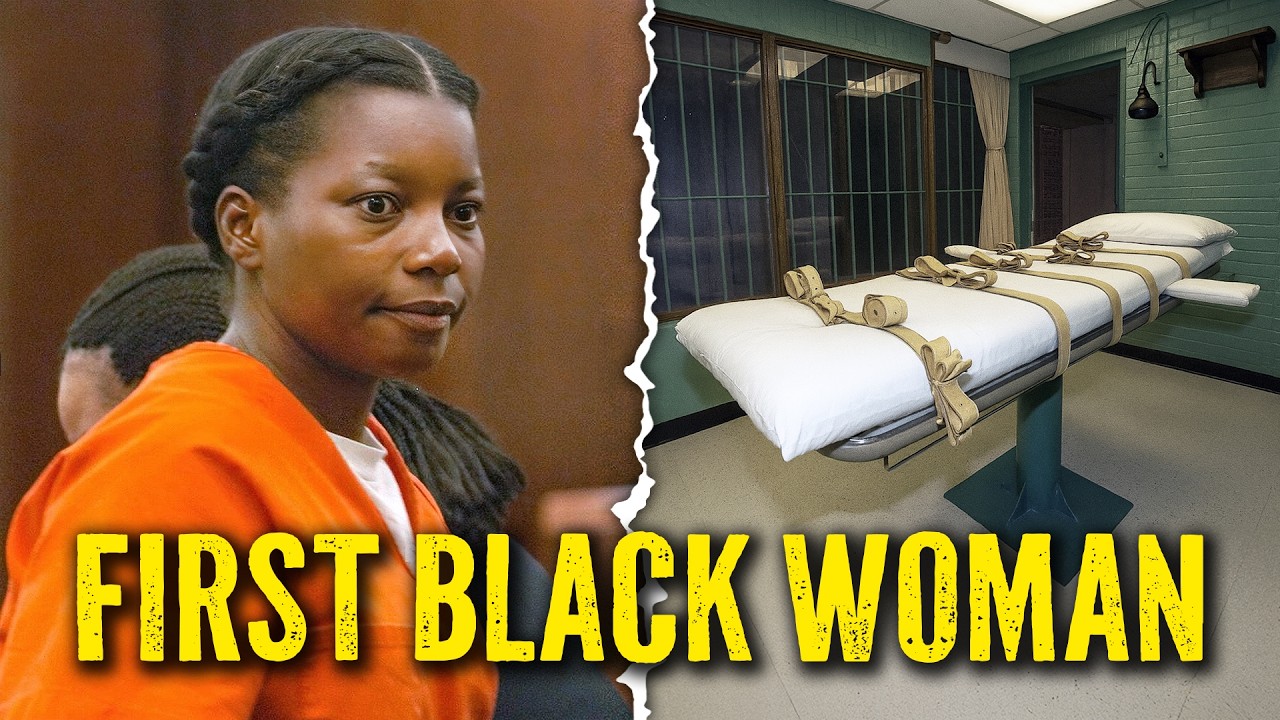 With just 24 hours remaining, Frances, who had been on death row for nearly 18 years, found herself at the mercy of a broken legal system. Her attorney, David Dao, revealed that the last glimmers of hope had faded as every legal avenue had been exhausted. The U.S. Supreme Court and the Texas parole board both declined to intervene, leaving Frances with only a last-minute appeal and a slim chance for a reprieve from Governor Rick Perry.
Just two days before, the parole board’s unanimous decision to deny clemency had hit Frances hard. She had entered the process with optimism, only to be met with disappointment. On that fateful Tuesday night, officers escorted her under heavy guard on a silent, 120-mile journey to Huntsville, home to Texas’s execution chamber. Inside the transport van, Frances appeared calm yet emotional, tears occasionally breaking through her composed exterior as the reality of her situation sank in.
Upon arrival at Huntsville, she was processed and placed in a holding cell mere steps from the execution chamber. The night stretched on, and sleep eluded her as she turned to prayer, seeking solace in her faith during those final hours. Outside, a small group of vigil supporters gathered, holding candles and chanting for mercy, their voices echoing a national outcry for justice.

Frances Newton, the first Black woman facing execution in Texas since the Civil War, had become a symbol of a larger fight against perceived injustices. Activists, including Congresswoman Sheila Jackson Lee, rallied in Houston, warning of the dire consequences of moving forward with her execution.
As the day unfolded, Frances was allowed brief visits from family members, though notably absent were her husband and children, who had been gone for 18 years. The tragic circumstances surrounding the deaths of her family—her husband and two children—had led to her conviction for capital murder. Prosecutors alleged that Frances had a motive tied to a life insurance policy she had taken out shortly before the tragedy, while her defense argued that the evidence against her was circumstantial and flawed.

As the clock ticked down, Governor Perry officially declined to intervene, citing the parole board’s recommendation and previous reprieves granted to Frances. Outside the prison, the atmosphere grew tense as advocates intensified their calls for mercy, but the governor’s decision was final.
In her last moments, Frances met with her attorney, who found her surprisingly composed, holding onto her faith as they discussed the pending appeal based on claims of flawed forensics and inadequate legal representation during her earlier trials. However, at 5:00 PM, the U.S. Supreme Court delivered its decision—no stay would be granted, effectively sealing Frances’s fate.

As preparations began for the execution, Frances declined a final phone call and was issued fresh prison clothing. The witness rooms filled with family members and reporters, the tension palpable. When asked if she had a final statement, Frances softly replied, “No,” shaking her head when prompted again.
At 6:07 PM, the execution process commenced. As the lethal chemicals flowed, Frances turned her head toward her family for one last look, trying to convey a message that witnesses believed was an expression of love. Moments later, she slipped into unconsciousness, leaving behind a room filled with tears—some for her, but many for the children whose lives had been lost.
At 6:17 PM, Frances Newton was pronounced dead, her attorneys left grappling with the sorrow of a judicial process that many believe failed to deliver true justice. The haunting question lingers: could this tragic story have ended differently?