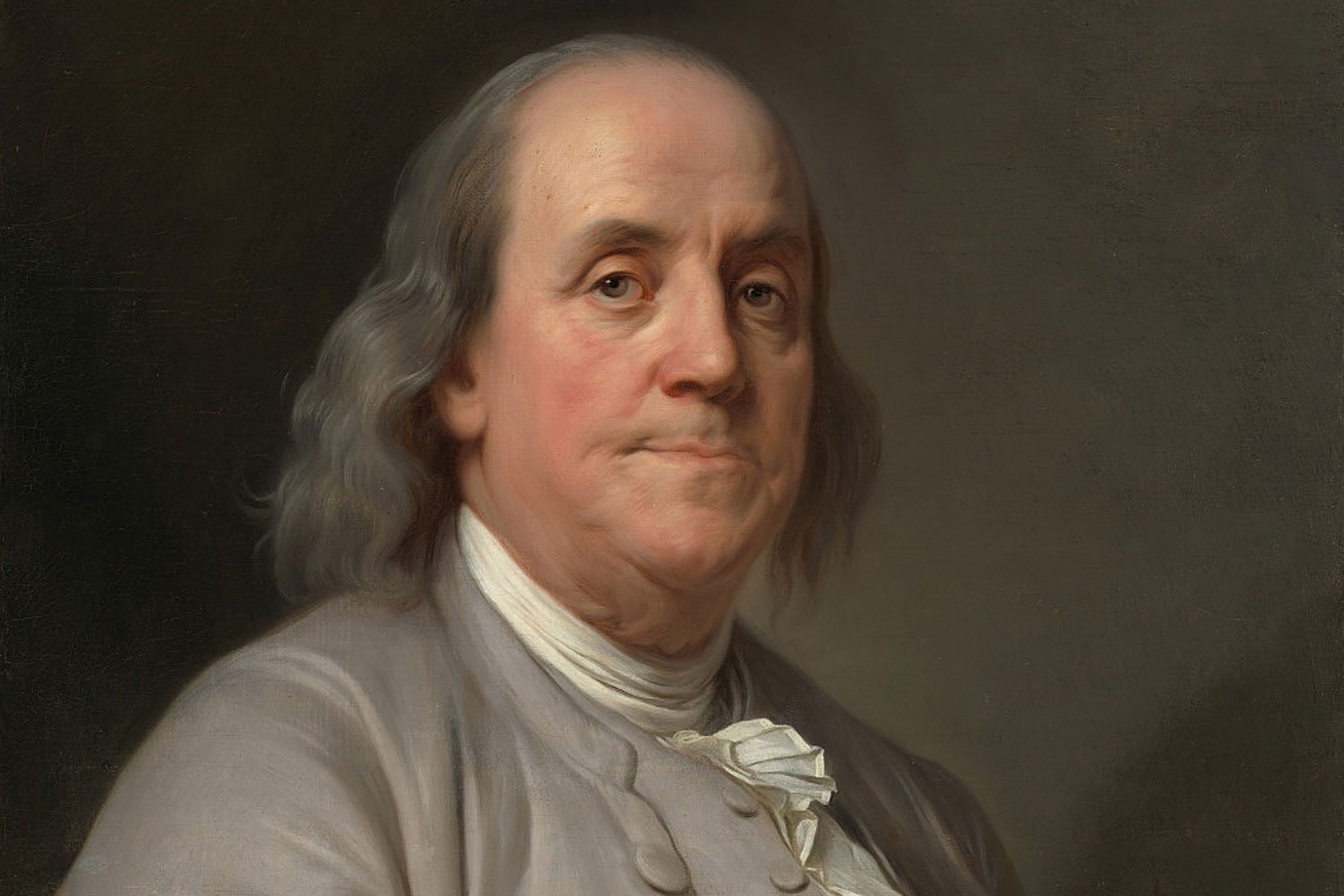
Benjamin Franklin stands as the personification of the Age of Enlightenment—a polymath whose influence spanned science, politics, and literature. Born in Boston in 1706, he began his journey as a printer’s apprentice, a role that honed the sharp intellect and communication skills that would define his life.
From Apprentice to Statesman
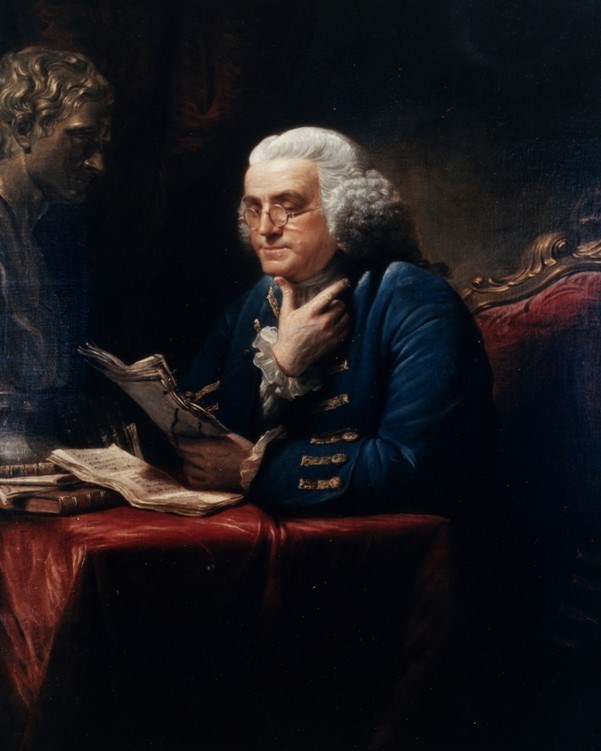
Franklin’s early years were marked by a relentless drive for self-improvement. By age 16, he was secretly writing influential essays under the pseudonym “Silence Dogood,” showcasing a precocious talent for social commentary. His career eventually took him to Philadelphia, where he became a media mogul with The Pennsylvania Gazette and Poor Richard’s Almanac, the latter of which spread his famous maxims on industry and morality across the colonies.
The Scientist and Civic Leader
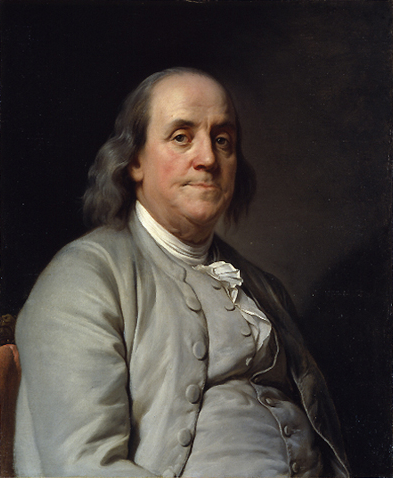
Franklin’s curiosity led to groundbreaking discoveries in electricity. His famous kite experiment in 1752, which proved lightning was electrical, brought him international acclaim. Beyond the laboratory, he was a master of civic organization, founding institutions that still exist today, such as the first subscription library in America, a volunteer fire company, and the University of Pennsylvania.
Architect of Independence

As tensions with Britain escalated, Franklin emerged as a pivotal political leader. He was a key figure in the Second Continental Congress, helping to draft the Declaration of Independence. His most critical role, however, may have been as the American envoy to France. His diplomatic charm and celebrity status were essential in securing the French alliance, which proved decisive in winning the Revolutionary War.
In his final years, he served as a calming, sage influence at the Constitutional Convention of 1787, championing compromise and tolerance. When he passed away in 1790, he left behind a nation he helped build from the ground up—a true testament to a life dedicated to public service and the common good.